The landscape of electric vehicles is undergoing rapid transformation, with 2025 poised to introduce a new wave of innovation, expanded range, and enhanced performance. For prospective buyers, navigating this evolving market requires understanding the core differentiators that set leading models apart. This guide focuses on the most impactful electric cars expected to shape the market in 2025, offering a detailed look at their capabilities, intended uses, and key specifications. The decision to transition to an electric vehicle is no longer solely about environmental impact; it increasingly involves practical considerations like charging infrastructure, long-term cost of ownership, and the integration of advanced driver-assistance systems. This analysis aims to equip buyers with the specific insights needed to make an informed choice that aligns with their driving habits, budget, and lifestyle requirements.
What to Look For in a 2025 Electric Car
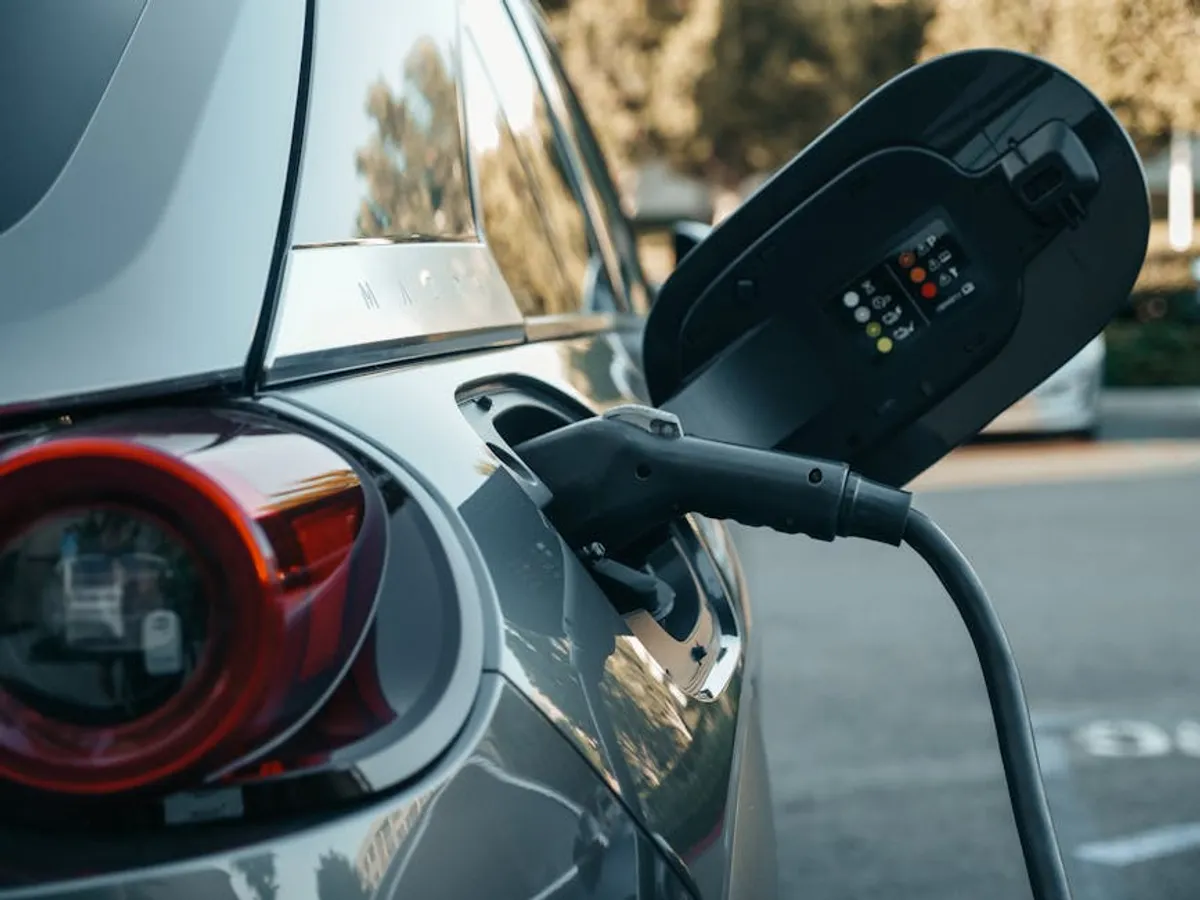
Selecting an electric vehicle in 2025 involves evaluating several critical factors beyond initial purchase price. Range remains a primary concern; assess your daily driving needs and consider models that offer a comfortable buffer, especially for longer trips. Charging infrastructure is another key element; understand the available public charging networks and evaluate whether home charging solutions (Level 2 or Level 3 DC fast charging) are feasible for your situation. Performance metrics, including acceleration, handling, and available power, contribute significantly to the driving experience. Technology integration, encompassing infotainment systems, connectivity features, and advanced safety suites, can vary widely between manufacturers. Finally, consider the total cost of ownership, which includes potential tax credits, insurance costs, maintenance schedules, and battery warranty terms, as these often present a different financial profile compared to gasoline-powered vehicles.
1. Tesla Model 3
The Tesla Model 3 continues its evolution into 2025, refining its position as a benchmark for electric sedan performance and technology. Recent updates have focused on interior material quality, acoustic improvements, and subtle aerodynamic tweaks that incrementally enhance its already competitive range and efficiency. Its minimalist cabin design, dominated by a central touchscreen, defines its user interface. The Model 3 benefits from Tesla's extensive Supercharger network, a significant advantage for long-distance travel, ensuring reliable and rapid charging availability in many regions. Performance variants offer acceleration figures that rival dedicated sports cars, while standard models provide a balanced blend of efficiency and daily usability.
Best for: Tech-forward buyers seeking a balance of performance, range, and access to a proprietary fast-charging network.
Pros:
- Access to the extensive Tesla Supercharger network.
- Strong acceleration and agile handling characteristics.
- Continual over-the-air software updates introduce new features and improvements.
- Competitive range figures across most trim levels.
Cons:
- Minimalist interior design may not appeal to all users.
- Reliance on a single central screen for most controls can be distracting.
- Perceived build quality has historically varied, though recent models show improvement.
Verdict: The Model 3 remains a compelling choice for those prioritizing cutting-edge technology and a robust charging ecosystem, despite its unconventional interior layout.
2. Hyundai Ioniq 5
The Hyundai Ioniq 5 distinguishes itself with a retro-futuristic design that stands out in the electric vehicle segment. Built on Hyundai's E-GMP platform, it offers 800-volt architecture for ultra-fast charging capabilities, allowing for significant range replenishment in short periods. Its spacious interior, characterized by a flat floor and movable center console, prioritizes passenger comfort and versatility. The Ioniq 5 delivers a smooth, composed ride and responsive acceleration, making it a strong contender for both urban commuting and longer road trips. Its unique aesthetic and practical features position it as a design-forward option for a broad audience.
Best for: Buyers prioritizing distinctive design, rapid charging, and a comfortable, versatile interior.
Pros:
- Distinctive exterior design and spacious, adaptable interior.
- 800-volt architecture enables some of the fastest charging speeds available.
- Comfortable ride quality and intuitive technology integration.
- Vehicle-to-Load (V2L) function provides external power utility.
Cons:
- Rear visibility can be somewhat limited due to design.
- Not all trim levels offer the longest available range.
- Availability can be restricted in certain markets.
Verdict: The Ioniq 5 offers a refreshing take on the electric crossover, combining practical utility with standout aesthetics and leading-edge charging technology.
3. Kia EV9
The Kia EV9 enters the market as a significant player in the full-size, three-row electric SUV segment. Leveraging the same E-GMP platform as the Ioniq 5, it also boasts 800-volt fast-charging capabilities. The EV9 is designed to offer substantial interior space and cargo capacity, making it a viable option for larger families or those requiring considerable utility. Its exterior styling is bold and angular, projecting a robust presence. Inside, the cabin features premium materials and advanced technology, including a panoramic display and comprehensive driver-assistance systems. The EV9 aims to blend SUV practicality with electric efficiency and luxury appointments.
Best for: Large families or buyers needing three-row seating, ample cargo space, and advanced electric SUV capabilities.
Pros:
- Genuine three-row seating with comfortable third-row access.
- 800-volt fast-charging for quick power replenishment.
- Spacious and well-appointed interior with premium features.
- Bold, distinctive SUV styling.
Cons:
- Its large size may pose challenges for urban parking and maneuverability.
- Pricing places it in the premium segment, potentially limiting accessibility.
- Overall range, while competitive for its size, is less than some smaller EVs.
Verdict: The EV9 successfully delivers a practical, family-oriented electric SUV experience, combining space and utility with advanced EV technology, albeit at a premium price point.
4. Ford Mustang Mach-E
The Ford Mustang Mach-E continues to evolve, blending the iconic Mustang heritage with modern electric powertrain technology. It offers a range of battery and motor configurations, providing options for both extended range and performance-focused driving. The Mach-E's interior is dominated by a large vertical touchscreen, integrating Ford's SYNC infotainment system. Its SUV-like stance provides practical cargo space and a higher driving position, appealing to a broad segment of buyers. Ford's commitment to expanding its charging network access, including integration with the Tesla Supercharger network, enhances its long-distance viability.
Best for: Drivers seeking a sporty electric crossover with practical utility and a familiar brand experience.
Pros:
- Engaging driving dynamics and strong acceleration, especially in GT trims.
- Spacious and technologically advanced interior with a large infotainment screen.
- Growing access to charging infrastructure, including Supercharger network integration.
- Distinctive styling that references Mustang heritage.
Cons:
- Rear seat headroom can be tight for taller passengers.
- The large central screen handles almost all vehicle functions, which may not suit all users.
- Range can vary significantly depending on trim and driving conditions.
Verdict: The Mach-E offers a compelling package for those desiring a sporty, practical electric vehicle with a touch of American muscle car legacy, backed by improving charging access.
5. Chevrolet Equinox EV
The Chevrolet Equinox EV is positioned as an accessible, mass-market electric SUV, aiming to bring electric mobility to a broader audience. Utilizing GM's Ultium platform, it promises competitive range figures and a balance of performance and efficiency. The Equinox EV features a modern, practical interior with a focus on user-friendly technology and ample cargo space. Its design is contemporary and understated, appealing to buyers looking for a straightforward, reliable electric crossover. With an anticipated lower starting price point compared to many competitors, it represents a significant step towards more affordable electric vehicle options.
Best for: Budget-conscious buyers seeking an affordable, practical electric SUV for daily commuting and family use.
Pros:
- Anticipated competitive starting price for a mass-market EV.
- Practical SUV form factor with good cargo capacity.
- Utilizes GM's versatile Ultium platform for scalable range and performance.
- Modern interior with essential technology features.
Cons:
- Performance figures may not excite enthusiasts compared to sportier EVs.
- Charging speeds might not match the fastest 800-volt systems.
- Interior materials might lean towards practicality over luxury in base trims.
Verdict: The Equinox EV is poised to be a strong value proposition, offering a practical and attainable electric SUV option that could significantly expand EV adoption.
6. BMW i5
The BMW i5 translates the brand's executive sedan experience into a fully electric format. Based on the latest 5 Series platform, it retains the characteristic BMW driving dynamics, offering a blend of comfort and sporty handling. The i5's interior is a testament to BMW's commitment to luxury, featuring high-quality materials, advanced infotainment, and a sophisticated user interface. It offers strong performance, particularly in its M60 xDrive variant, with quick acceleration and refined power delivery. The i5 positions itself as a direct competitor to other premium electric sedans, emphasizing driving pleasure and technological sophistication.
Best for: Executive buyers seeking a luxurious, performance-oriented electric sedan with traditional BMW driving characteristics.
Pros:
- Exceptional build quality and luxurious interior appointments.
- Engaging driving dynamics and comfortable ride for long journeys.
- Advanced iDrive 8.5 infotainment system and comprehensive technology suite.
- Strong performance across available powertrains.
Cons:
- Higher price point places it in the premium segment.
- Range, while competitive, may not lead the class in all configurations.
- Exterior design may be considered conservative by some looking for a distinct EV aesthetic.
Verdict: The i5 delivers a compelling electric luxury sedan experience, successfully integrating BMW's core values of driving pleasure and refinement into an EV platform.
7. Mercedes-Benz EQE Sedan
The Mercedes-Benz EQE Sedan is positioned as an electric counterpart to the E-Class, offering a blend of sophisticated design, advanced technology, and refined comfort. Its exterior features a sleek, aerodynamic silhouette, while the interior showcases Mercedes-Benz's MBUX Hyperscreen (optional), which integrates three displays across the dashboard. The EQE prioritizes a plush ride quality and a quiet cabin, making it an ideal choice for long-distance cruising. Performance is smooth and ample, with various power outputs available. It emphasizes a seamless luxury experience, typical of the Mercedes-Benz brand, with an electric powertrain.
Best for: Luxury sedan buyers prioritizing ultimate comfort, advanced technology, and a serene driving experience.
Pros:
- Exceptionally comfortable and quiet cabin with high-quality materials.
- Advanced MBUX Hyperscreen (optional) offers a cutting-edge infotainment experience.
- Smooth power delivery and refined driving dynamics.
- Sleek, aerodynamic exterior design.
Cons:
- Rear headroom can be somewhat limited due to the sloping roofline.
- The extensive use of touch controls might require a learning curve for some users.
- Higher starting price reflective of its luxury positioning.
Verdict: The EQE Sedan excels at delivering a quintessential Mercedes-Benz luxury experience in an electric package, prioritizing comfort and technological sophistication over raw sportiness.
8. Audi Q8 e-tron
The Audi Q8 e-tron, formerly known simply as the e-tron, represents Audi's flagship electric SUV. For 2025, it continues to offer significant improvements in range and charging efficiency over its predecessor, alongside subtle styling revisions. It maintains Audi's reputation for impeccable build quality, a sophisticated interior, and a composed driving experience. The Q8 e-tron provides a comfortable and spacious cabin for five passengers, with a focus on understated luxury and intuitive technology. Its quattro all-wheel-drive system ensures confident handling in various conditions, making it a versatile premium electric SUV.
Best for: Buyers seeking a premium electric SUV with refined comfort, robust build quality, and confident all-weather performance.
Pros:
- Excellent interior build quality and premium materials.
- Comfortable and quiet ride, ideal for long journeys.
- Standard quattro all-wheel drive enhances traction and stability.
- Improved range and charging efficiency over previous iterations.
Cons:
- Range, while improved, may still trail some direct competitors.
- Infotainment system can be complex with multiple screens.
- Exterior design is conservative, lacking some of the visual flair of newer EVs.
Verdict: The Q8 e-tron is a solid choice for those who value traditional Audi luxury and engineering in an electric SUV, offering a refined experience without radical design departures.
9. Porsche Taycan
The Porsche Taycan continues to set a high bar for electric sports sedans, combining blistering performance with Porsche's renowned driving dynamics. For 2025, updates often focus on incremental power increases, range optimizations, and enhanced software features. Its 800-volt architecture allows for extremely rapid charging, minimizing downtime. The Taycan offers a driver-focused cockpit, high-quality materials, and a sense of occasion with every drive. Available in various body styles, including the Cross Turismo and Sport Turismo, it caters to different practical needs while maintaining its performance pedigree.
Best for: Performance enthusiasts seeking an electric vehicle with sports car handling, rapid acceleration, and premium build quality.
Pros:
- Unrivaled driving dynamics and handling for an EV.
- Exceptional acceleration and sustained performance.
- 800-volt charging architecture for ultra-fast charging.
- High-quality interior materials and customizable options.
Cons:
- Higher purchase price and potentially higher running costs.
- Rear seat space can be restrictive for taller adults.
- Range, while competitive for a performance EV, is not class-leading.
Verdict: The Taycan remains the benchmark for electric driving pleasure, offering a truly engaging experience that sacrifices little in the transition to electric power, albeit at a premium.
10. Lucid Air
The Lucid Air aims to redefine the luxury electric sedan segment with its focus on extreme range, innovative packaging, and opulent interior design. Its groundbreaking aerodynamic efficiency contributes to some of the longest range figures available in any EV. The Air's interior is expansive, featuring premium materials and a blend of digital and physical controls, creating a sophisticated environment. Performance is equally impressive, with certain trims offering supercar-level acceleration. Lucid's proprietary technology and commitment to efficiency distinguish the Air as a technological tour de force in the EV market.
Best for: Luxury buyers prioritizing maximum electric range, cutting-edge technology, and an exceptionally spacious, premium cabin.
Pros:
- Class-leading electric range in multiple configurations.
- Stunning acceleration and high-performance capabilities.
- Luxurious, spacious, and technologically advanced interior.
- Innovative powertrain and battery technology.
Cons:
- Very high price point, positioning it as an ultra-luxury vehicle.
- Limited dealer and service network compared to established brands.
- Some advanced features may require a learning curve.
Verdict: The Lucid Air is a technological marvel that pushes the boundaries of EV range and luxury, offering an exclusive experience for those willing to invest in its advanced capabilities.
11. Rivian R1S
The Rivian R1S stands out as a genuine adventure-oriented electric SUV, blending off-road capability with luxury amenities. Its quad-motor setup provides exceptional power and precise torque vectoring, enabling impressive performance both on and off the pavement. The R1S offers three rows of seating and substantial cargo capacity, making it practical for families and outdoor enthusiasts. Its design is rugged yet refined, and the interior features sustainable materials and intuitive technology. Rivian's focus on an integrated ecosystem, including its Waypoints charging network, enhances its utility for exploration.
Best for: Adventurous families and outdoor enthusiasts requiring a capable off-road electric SUV with three-row seating and premium features.
Pros:
- Exceptional off-road capabilities with adjustable air suspension.
- Strong on-road performance from quad-motor powertrain.
- Three-row seating and versatile cargo space.
- Unique, rugged-yet-premium design aesthetic.
Cons:
- High purchase price places it in the luxury segment.
- Charging infrastructure is still growing, though improving.
- Its large size can be challenging for urban driving and parking.
Verdict: The R1S carves a unique niche as a highly capable and luxurious electric adventure vehicle, offering unparalleled versatility for those who venture beyond paved roads.
12. Volvo EX30
The Volvo EX30 is positioned as a compact, entry-level electric SUV that embodies Volvo's commitment to safety, sustainability, and minimalist Scandinavian design. Despite its smaller footprint, it offers respectable range and brisk acceleration, particularly in its twin-motor configuration. The interior is characterized by recycled and renewable materials, a large central touchscreen, and a focus on essential functionality. The EX30 aims to deliver a premium electric experience in a more urban-friendly and potentially more affordable package, making it an attractive option for younger buyers or those downsizing.
Best for: Urban dwellers and environmentally conscious buyers seeking a compact, stylish, and safe electric SUV with a premium feel.
Pros:
- Compact size ideal for urban maneuverability and parking.
- Strong acceleration, especially in twin-motor versions.
- Sustainable interior materials and minimalist Scandinavian design.
- Competitive pricing for a premium brand EV.
Cons:
- Rear seat space and cargo capacity are limited due to its compact dimensions.
- Reliance on a single central screen for most controls.
- Range, while adequate for daily use, is not class-leading for longer trips.
Verdict: The EX30 offers a compelling blend of Volvo's core values in an accessible electric package, proving that premium design and safety can exist in a compact, efficient EV.
Choosing the Right Electric Car for Your Needs
The optimal electric car for 2025 depends entirely on individual priorities and use cases. Begin by clearly defining your daily commute, typical long-distance travel frequency, and the availability of home charging. If range anxiety is a primary concern, prioritize models with 300+ miles of EPA-estimated range and access to robust fast-charging networks. For urban drivers, a compact EV with efficient charging and nimble handling might be more suitable than a large SUV. Families should consider passenger capacity, cargo volume, and the ease of installing child seats. Budgeting should extend beyond the purchase price to include potential incentives, insurance costs, and the estimated cost of electricity for charging. Test driving multiple models is crucial to assess comfort, driving dynamics, and the user interface of the infotainment and driver-assistance systems. Ultimately, the "best" electric car is the one that most effectively integrates into your lifestyle while meeting your specific performance, utility, and financial requirements.
Frequently Asked Questions
What is the average range of electric cars in 2025?
In 2025, many new electric vehicles offer an EPA-estimated range between 250 and 350 miles on a single charge, with some premium models exceeding 400 miles. Entry-level compact EVs typically provide 200-25