The Volvo EX30 enters a competitive electric vehicle landscape as a compact SUV, positioned to attract urban drivers and those prioritizing sustainability and advanced safety in a smaller footprint. This guide dissects the EX30's core attributes, from its design ethos and performance metrics to its technological integrations and intended market applications, providing a detailed overview for prospective buyers and industry observers.
Understanding the Volvo EX30's Core Proposition
The EX30 is Volvo's smallest SUV, representing a strategic move into the burgeoning compact electric vehicle segment. Its development emphasizes a blend of Scandinavian design principles with a commitment to environmental responsibility, aiming to make electric mobility more accessible without compromising on brand-specific values like safety and quality. This model is not merely a downsized version of existing Volvo EVs; it introduces new design elements and a distinct approach to interior functionality.
Design Philosophy and Compact Footprint
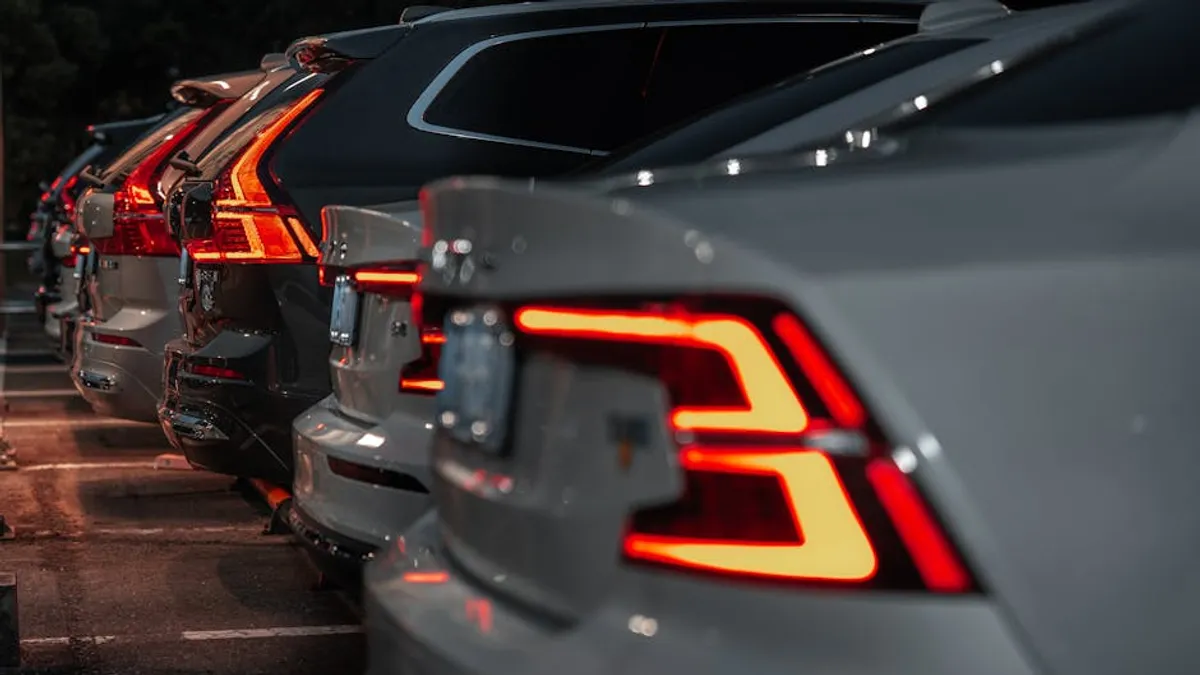
Volvo's design language for the EX30 is characterized by clean lines, a robust stance, and a minimalist aesthetic. The exterior features a closed grille, signature 'Thor's Hammer' LED headlights, and distinct taillight clusters that integrate into the vehicle's overall compact proportions. Its smaller dimensions, compared to models like the XC40 Recharge, are specifically engineered for agility in city environments, offering easier parking and maneuverability while maintaining an SUV-like presence.
Sustainable Materials and Manufacturing
A central tenet of the EX30's "meaning" is its focus on sustainability. Volvo has integrated a higher percentage of recycled and renewable materials throughout the vehicle's construction. This includes recycled aluminum, recycled steel, and recycled plastics used in various interior and exterior components. The manufacturing process itself is designed to reduce the carbon footprint, aligning with Volvo's broader ambition to achieve climate neutrality across its value chain by 2040. This material selection contributes to a lower lifecycle CO2 impact compared to many traditional vehicles.
Performance, Range, and Charging Infrastructure
The EX30 offers a choice of powertrains designed to balance performance with efficiency, catering to different driving needs. Its battery technology and charging capabilities are critical considerations for daily usability and long-distance travel.
Powertrain Options and Driving Dynamics
The EX30 is available with two primary powertrain configurations:
- Single Motor Extended Range: Equipped with a 200 kW (268 hp) electric motor driving the rear wheels, this variant offers a 0-100 km/h (0-62 mph) acceleration in approximately 5.7 seconds. Its focus is on maximizing range for daily commuting and longer journeys.
- Twin Motor Performance: Featuring a 315 kW (422 hp) dual-motor setup, this all-wheel-drive option provides significantly quicker acceleration, achieving 0-100 km/h (0-62 mph) in approximately 3.6 seconds. This configuration targets drivers seeking higher performance and enhanced traction.
Both variants are tuned to deliver a composed and responsive driving experience, consistent with Volvo's reputation for refined vehicle dynamics.
Battery Technology and Charging Capabilities
The EX30 utilizes a 69 kWh (usable capacity) NMC battery for the Extended Range and Twin Motor Performance models, offering a projected WLTP range of up to 475 km (295 miles) for the Single Motor Extended Range variant. Charging is facilitated by a robust system:
- DC Fast Charging: Supports up to 153 kW, allowing for a 10-80% charge in approximately 26.5 minutes under optimal conditions.
- AC Charging: Equipped with an 11 kW onboard charger, enabling a full charge from 0-100% in roughly 7-8 hours using a Level 2 home charger. A 22 kW onboard charger is available as an option in some markets, halving the AC charging time.
These specifications position the EX30 as a practical EV for both urban use and occasional longer trips, with charging times comparable to segment rivals.
Interior Experience and Technology Integration
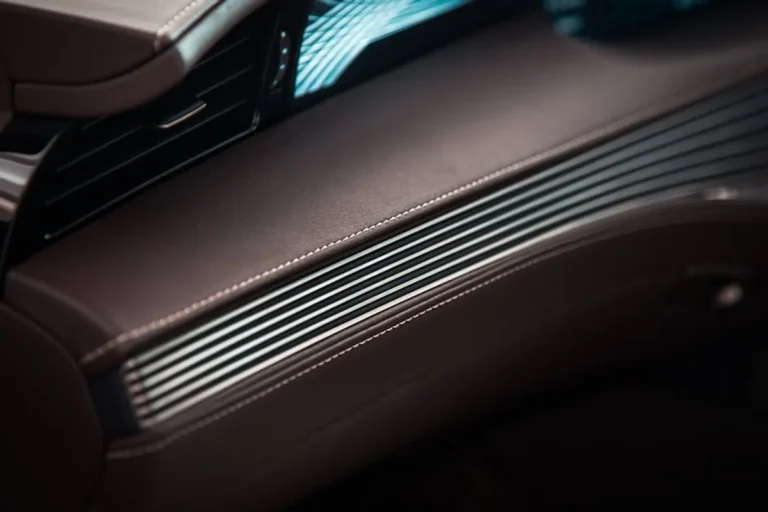
The EX30's interior is a departure from traditional Volvo designs, embracing a minimalist aesthetic centered around a large vertical touchscreen. This approach aims to declutter the cabin and enhance the user interface.
Minimalist Cabin Design and Infotainment
The cabin features a single 12.3-inch central infotainment screen that consolidates most vehicle functions, including instrumentation, navigation, and climate control. This design choice contributes to a spacious and airy feel within the compact interior. Material choices, such as denim, flax, and recycled plastics, reinforce the sustainability theme, offering unique textures and finishes. Storage solutions are thoughtfully integrated, including a versatile center console and a sliding storage compartment.
Advanced Safety and Driver Assistance Systems
True to Volvo's heritage, the EX30 incorporates a comprehensive suite of safety technologies. This includes a new "Door Opening Alert" system designed to warn occupants of approaching cyclists or pedestrians when opening doors. Standard features encompass:
- Pilot Assist with adaptive cruise control and lane-keeping assistance.
- Collision avoidance systems with automatic braking and steering support.
- Driver Alert System to monitor driver attentiveness.
- Park Assist Pilot for automated parking maneuvers.
Pro Tip: While the EX30's centralized screen manages most functions, familiarize yourself with its layout before driving. Relying on muscle memory for physical buttons is not an option here; understanding the menu structure for critical controls like climate and driving modes is essential for safe and intuitive operation.
Target Audience and Practical Applications
The EX30 is designed for a specific demographic and set of use cases, defining its "uses" and "meaning" within Volvo's portfolio.
Urban Commuting and Lifestyle Fit
The compact dimensions, agile handling, and efficient electric powertrains make the EX30 particularly well-suited for urban and suburban environments. It appeals to individuals and small families seeking an eco-conscious vehicle that is easy to park and navigate in congested areas. Its design also targets a younger demographic, or those downsizing from larger vehicles, who value modern aesthetics and integrated technology.
Environmental Impact and Ownership Benefits
For environmentally conscious consumers, the EX30's low carbon footprint and use of sustainable materials are significant draws. Beyond the environmental aspect, electric vehicle ownership benefits include potential fuel cost savings, reduced maintenance requirements (due to fewer moving parts), and access to incentives or preferred parking in certain regions. The EX30 aims to deliver these benefits within a premium, safety-focused package.
Key Specifications and Market Positioning
Understanding the EX30's specific details helps contextualize its place in the market.
Dimensions, Cargo, and Towing Capacity
The EX30 measures approximately 4.23 meters (166.7 inches) in length, 1.84 meters (72.4 inches) in width (excluding mirrors), and 1.55 meters (61 inches) in height. Its compact size belies a practical interior, offering a cargo volume of around 318 liters (11.2 cu ft) with the rear seats up, expandable to 904 liters (31.9 cu ft) with the seats folded. Some configurations also offer a towing capacity of up to 1,600 kg (3,500 lbs), adding to its versatility.
Pricing Structure and Trim Levels
The EX30 is positioned as Volvo's most affordable electric SUV, with pricing designed to be competitive within its segment. It is typically offered in several trim levels, such as Core, Plus, and Ultra, each building upon the previous with additional features, technology, and interior upgrades. Specific pricing and available configurations vary by market, reflecting local taxes, incentives, and equipment packages. This tiered approach allows buyers to select a model that aligns with their budget and desired feature set.
Navigating Your EX30 Decision
The Volvo EX30 represents a focused effort by the brand to deliver a compelling compact electric SUV. Its emphasis on sustainable design, urban practicality, and Volvo's signature safety features positions it as a distinct option for those seeking an entry into premium electric mobility. Prospective buyers should evaluate their daily driving needs, access to charging infrastructure, and preference for minimalist interior design against the EX30's specific offerings. Comparing its range, performance, and feature set with other vehicles in the compact EV segment will inform a well-rounded decision.
Frequently Asked Questions About the Volvo EX30
What is the estimated range of the Volvo EX30?
The Volvo EX30 Single Motor Extended Range variant offers a projected WLTP range of up to 475 kilometers (295 miles) on a full charge.
How long does it take to charge the EX30?
Using a DC fast charger at 153 kW, the EX30 can charge from 10% to 80% in approximately 26.5 minutes. With an 11 kW AC home charger, a full charge from 0% to 100% takes about 7-8 hours.
Is the Volvo EX30 suitable for families?
While compact, the EX30 can accommodate small families, particularly for urban use. Its rear seating and cargo space are more suited for two adults or children, with practical storage solutions throughout the cabin.
What makes the EX30 different from other Volvo SUVs?
The EX30 stands out as Volvo's smallest and most affordable electric SUV, featuring a distinct minimalist interior design centered around a single screen, and a strong emphasis on sustainable materials and a lower carbon footprint in its production and lifecycle.