The 2025 Toyota 4Runner enters a market segment defined by both rugged capability and evolving consumer expectations for modern technology and efficiency. For buyers evaluating a new mid-size SUV, understanding the specific advancements and core identity of the 2025 4Runner is critical. This model retains its foundational appeal as a body-on-frame, adventure-ready vehicle, while introducing significant powertrain updates and contemporary features designed to broaden its utility without compromising its established character. Prospective owners should assess how these changes align with their specific needs for off-road performance, daily driving comfort, and long-term value.
The Evolving Meaning of the 4Runner Legacy
The Toyota 4Runner has long represented a specific ethos within the SUV landscape: unyielding durability, proven off-road prowess, and a design language that prioritizes function over fleeting trends. Its "meaning" is rooted in its heritage as a reliable, go-anywhere vehicle, a reputation built over four decades. The 2025 iteration carries this legacy forward, but with a clear intent to modernize its core offerings. This means integrating more advanced safety systems, a significantly updated powertrain for improved efficiency and power, and a more refined interior, all while preserving the robust, body-on-frame construction that defines its capability. The vehicle’s continued relevance stems from its ability to offer a distinct alternative to car-based crossovers, catering to those who require or prefer a more traditional, truck-like SUV experience for demanding environments and adventure travel.
Key Details: Powertrain and Performance Specifications
The most substantial update for the 2025 Toyota 4Runner centers on its powertrain options, moving away from the long-standing naturally aspirated V6. Two new turbocharged 2.4-liter four-cylinder engines are available, paired with an 8-speed automatic transmission:
- i-FORCE Turbo Engine: This standard engine delivers 278 horsepower and 317 lb-ft of torque. This represents a notable increase in torque over the previous V6, providing stronger acceleration and improved towing dynamics.
- i-FORCE MAX Hybrid Powertrain: Available on higher trims, this advanced hybrid system combines the 2.4-liter turbocharged engine with an electric motor integrated into the transmission, producing a combined 326 horsepower and 465 lb-ft of torque. This configuration offers a significant boost in both power and low-end torque, enhancing off-road performance and potentially improving fuel efficiency.
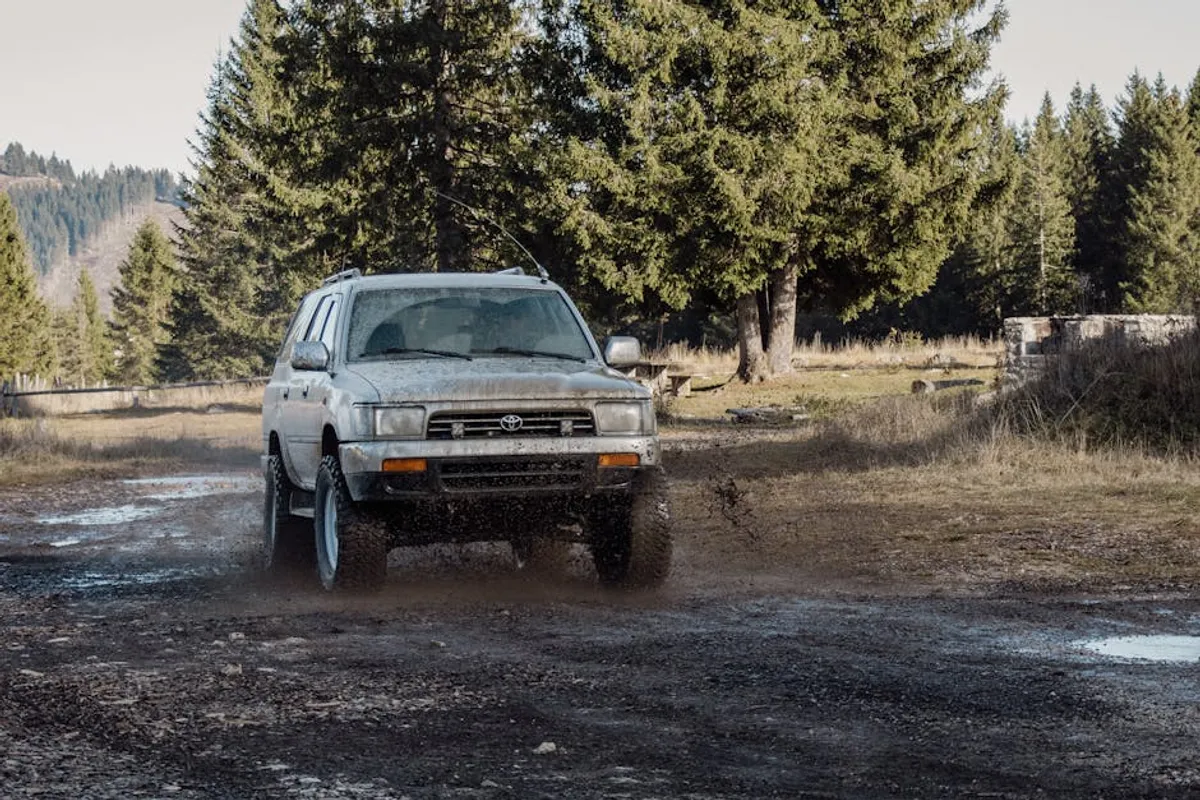
Off-road capability remains a cornerstone. The 2025 4Runner offers various four-wheel-drive systems, including part-time 4WD with an electronically controlled two-speed transfer case and available locking rear differential. Full-time 4WD is also available on specific trims. Key off-road technologies include Multi-Terrain Select (MTS) with driver-selectable modes (Dirt, Sand, Mud, Deep Snow, Rock) and Crawl Control (CRAWL), which automatically manages throttle and brakes at low speeds on challenging terrain. The new Trailhunter trim, in particular, integrates specific off-road enhancements such as ARB Old Man Emu 2.5-inch forged shocks, 33-inch Goodyear Territory R/T tires, and additional underbody protection, providing a factory-built overlanding solution.
Towing Capacity: The 2025 4Runner maintains a competitive towing capacity, rated at up to 6,000 pounds, making it suitable for pulling small boats, trailers, or utility equipment.
Exterior Design and Functional Aesthetics
The 2025 4Runner’s exterior design retains its iconic rugged silhouette while incorporating modern elements. The front fascia features a prominent grille design that varies by trim, flanked by updated LED lighting. The overall stance is broad and aggressive, emphasizing its off-road character. Ground clearance is substantial, with specific figures varying slightly by trim and tire choice, but generally exceeding 9 inches. Approach and departure angles are optimized for navigating obstacles. Practical exterior features include available roof rails for cargo, integrated skid plates for underbody protection, and robust fender flares. The rear design maintains a familiar profile, with updated taillight graphics and a power rear liftgate window that is a signature 4Runner feature, enhancing utility for quick cargo access.
Interior Comfort, Technology, and Utility
Inside, the 2025 4Runner presents a more refined and technologically integrated cabin compared to its predecessor. Standard features include an 8-inch touchscreen infotainment system, with a larger 14-inch screen available on higher trims. This system supports wireless Apple CarPlay and Android Auto. A digital gauge cluster is also standard, measuring 7 inches on lower trims and 12.3 inches on higher variants, providing configurable driver information. Seating configurations typically accommodate five passengers, with some trims offering an optional third row for seven-passenger capacity. Cargo space remains a strong point, characterized by a flat load floor when the rear seats are folded, offering ample room for gear and equipment. Material choices range from durable fabric on base models to SofTex synthetic leather and genuine leather on more premium trims, balancing ruggedness with comfort.
Toyota Safety Sense 3.0: All 2025 4Runner models come standard with this suite of active safety and driver-assistance features, including Pre-Collision System with Pedestrian Detection, Lane Departure Alert with Steering Assist, Full-Speed Range Dynamic Radar Cruise Control, Lane Tracing Assist, Road Sign Assist, and Automatic High Beams. This comprehensive package significantly enhances safety and driver convenience for both daily commuting and long-distance travel.
Primary Uses and Target Audiences
The 2025 Toyota 4Runner caters to several distinct user profiles:
- Off-Road Enthusiasts: Individuals who regularly engage in trail driving, overlanding, or exploring remote areas. The 4Runner's body-on-frame construction, advanced 4WD systems, and dedicated off-road trims (TRD Off-Road, TRD Pro, Trailhunter) are specifically designed for this demographic.
- Adventure Travelers: Those who require a reliable vehicle for camping, hiking, or other outdoor pursuits, often carrying gear and needing to access less-maintained roads. The vehicle’s cargo capacity and ruggedness support these activities.
- Families Requiring Durable Transport: Families in areas with challenging weather conditions or those who value a robust, long-lasting vehicle for everyday use and weekend excursions. The 4Runner's reputation for reliability and safety features are key attractors.
- Daily Drivers in Challenging Climates: Drivers who frequently encounter snow, ice, or unpaved roads and need consistent traction and ground clearance.
Pro Tip: When evaluating the 2025 4Runner, pay close attention to the specific four-wheel-drive system offered on your chosen trim. While all 4WD models are capable, the part-time system requires engagement by the driver, whereas the full-time system (often found on Limited trims) offers continuous traction management and can be used on all surfaces, including dry pavement, without risk of drivetrain bind. Understanding this distinction is crucial for optimizing performance and preventing potential drivetrain issues based on your primary driving conditions.
Trim Levels and Customization Options
The 2025 4Runner is offered in a comprehensive range of trim levels, each designed to cater to specific preferences and use cases. These include the foundational SR5, the sport-oriented TRD Sport, the highly capable TRD Off-Road, the luxurious Limited and Platinum, the purpose-built TRD Pro, and the new, adventure-ready Trailhunter. Each trim builds upon the previous with distinct features, suspension setups, interior appointments, and exterior styling cues. For instance, the TRD Pro is optimized for extreme off-roading with specific Fox shocks and unique badging, while the Limited focuses on premium comfort and on-road refinement with features like leather seating and enhanced audio systems. The new Trailhunter trim integrates specific overlanding equipment directly from the factory, offering a turnkey solution for serious adventurers.
Making an Informed Purchase Decision
The 2025 Toyota 4Runner represents a significant evolution while remaining true to its core identity. For buyers, the decision hinges on balancing the traditional ruggedness and reliability with the new powertrain options and modern technology. Consider your primary use case: if maximum off-road capability and factory-integrated overlanding features are paramount, trims like the TRD Pro or Trailhunter will be most appealing. If a blend of capability, comfort, and advanced features for daily driving and occasional adventure is desired, the Limited or TRD Off-Road trims offer compelling packages. The introduction of the i-FORCE MAX hybrid powertrain provides a compelling option for those seeking enhanced power and potentially better fuel economy without sacrificing capability. Evaluate specific trim features, test drive both engine options if possible, and assess how the vehicle’s size and driving dynamics fit your lifestyle and budget. The 4Runner's historically strong resale value also remains a significant factor for long-term ownership considerations.
Frequently Asked Questions
What are the main engine options for the 2025 Toyota 4Runner?
The 2025 4Runner offers two turbocharged 2.4-liter four-cylinder engines: the i-FORCE turbo with 278 horsepower and the i-FORCE MAX hybrid with a combined 326 horsepower.
Does the 2025 4Runner still offer a third-row seat?
Yes, select trim levels of the 2025 Toyota 4Runner continue to offer an optional third-row seat, expanding passenger capacity to seven.
What advanced safety features are standard on the new 4Runner?
All 2025 4Runner models come standard with Toyota Safety Sense 3.0, which includes Pre-Collision System with Pedestrian Detection, Lane Departure Alert with Steering Assist, and Full-Speed Range Dynamic Radar Cruise Control.
What is the towing capacity of the 2025 Toyota 4Runner?
The 2025 4Runner has a maximum towing capacity of up to 6,000 pounds, suitable for a range of recreational and utility trailers.