
The automotive landscape continues its shift towards electrification, with hybrid powertrains offering a compelling balance between traditional internal combustion and fully electric vehicles. For drivers navigating this transition, the Mazda CX-50 Hybrid emerges as a significant option, blending Mazda's established design philosophy and driving dynamics with enhanced fuel efficiency. This guide details its core identity, practical applications, and the specific technical attributes that define its market position. Understanding these elements is crucial for prospective buyers evaluating their next vehicle choice, particularly those seeking a versatile crossover that prioritizes both efficiency and engagement.
Defining the CX-50 Hybrid Powertrain
The Mazda CX-50 Hybrid integrates a gasoline engine with an electric motor and a battery pack, operating as a self-charging hybrid system. This architecture means the vehicle does not require external charging infrastructure; the battery replenishes through regenerative braking and excess engine power. Typically, these systems allow for short bursts of all-electric driving at lower speeds, such as during city commutes or parking maneuvers, significantly reducing fuel consumption in stop-and-go traffic.
The core of the system often involves a naturally aspirated four-cylinder engine paired with an electric motor, delivering a combined output that balances power with efficiency. A continuously variable transmission (e-CVT) manages power delivery smoothly, optimizing transitions between electric, gasoline, and combined power modes. This design aims to provide a seamless driving experience while prioritizing fuel economy metrics over raw acceleration, a key differentiator for hybrid models in the compact SUV segment.
Practical Applications and Target Demographics
The CX-50 Hybrid is positioned for a diverse range of drivers who prioritize efficiency without compromising on capability or Mazda's characteristic driving feel. Its design and feature set cater to several key use cases:
- Urban and Suburban Commuters: The hybrid powertrain excels in city driving, where frequent braking and acceleration allow the electric motor to operate more often, leading to substantial fuel savings compared to conventional gasoline engines.
- Adventure-Oriented Individuals and Families: While offering improved efficiency, the CX-50 retains its robust crossover stance and available all-wheel-drive (AWD) system, making it suitable for light off-road excursions, camping trips, or navigating challenging weather conditions. Its increased ground clearance supports these activities.
- Long-Distance Travelers: For highway driving, the hybrid system provides a continuous boost to the gasoline engine, often resulting in better overall fuel economy than a non-hybrid counterpart, though the most significant gains are typically seen in mixed driving cycles.
- Design-Conscious Buyers: Mazda's "Kodo" design language is fully present, offering a distinctive aesthetic that appeals to those seeking a vehicle that stands out from more utilitarian competitors. The interior design emphasizes driver-centric ergonomics and premium material choices.
Best for: Drivers seeking a fuel-efficient compact SUV that does not sacrifice engaging driving dynamics, refined aesthetics, or light off-road capability.
Key Details: Performance, Efficiency, and Features
Powertrain Specifications
While specific figures can vary by market and final production, the CX-50 Hybrid is expected to feature a powertrain similar to proven hybrid architectures. This typically includes a 2.5-liter four-cylinder engine working in conjunction with an electric motor, generating a combined system output. This configuration aims for a balance of responsive acceleration for daily driving and impressive fuel economy ratings, often exceeding 35 MPG combined in EPA estimates, depending on the drivetrain (FWD or AWD).
The e-CVT ensures smooth power delivery, eliminating traditional gear shifts and contributing to a quiet cabin experience, especially during electric-only operation. The integration of Mazda's i-Activ AWD system (where available) means that the hybrid benefits from enhanced traction and stability across various terrains, without significantly impacting the overall efficiency gains.
Interior Comfort and Technology
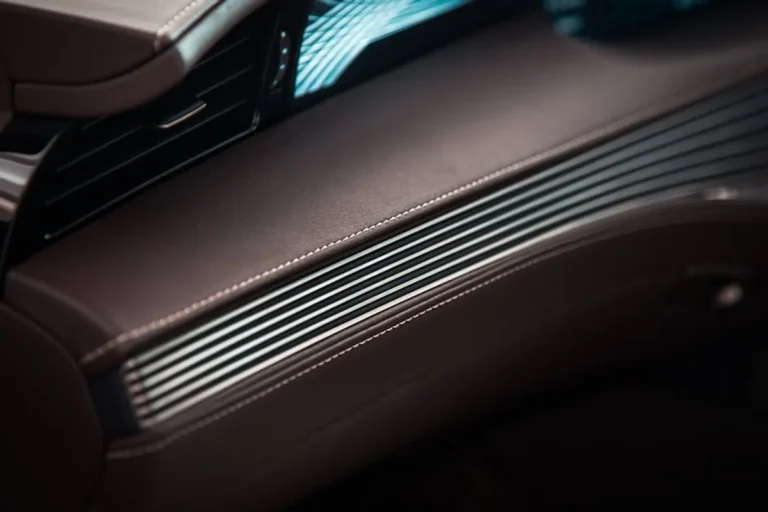
The CX-50 Hybrid's cabin mirrors the gasoline model's focus on driver and passenger comfort. Material quality is a highlight, with available leather upholstery, soft-touch surfaces, and thoughtful ergonomic layouts. Cargo capacity remains competitive within its class, offering practical space for luggage, groceries, or outdoor gear. Rear seats typically feature a 60/40 split-fold, enhancing versatility.
Technology integration centers around a central infotainment display, often ranging from 8.8 to 10.25 inches, controlled via a rotary commander and physical buttons for minimal distraction. Standard features usually include Apple CarPlay and Android Auto integration, alongside a suite of USB charging ports. Higher trims introduce premium audio systems, navigation, and wireless charging.
Pro Tip: To maximize the fuel efficiency of your CX-50 Hybrid, practice smooth acceleration and anticipate braking. Regenerative braking is most effective when applied gradually, allowing the system to recover more energy back into the battery rather than converting it to heat through friction brakes.
Safety and Driver-Assistance Systems
Mazda equips the CX-50 Hybrid with its comprehensive i-Activsense suite of safety features. This typically includes:
- Adaptive Cruise Control with Stop & Go functionality
- Lane-Keep Assist System
- Lane Departure Warning System
- Blind Spot Monitoring with Rear Cross-Traffic Alert
- Smart Brake Support (forward collision warning with automatic emergency braking)
- High Beam Control
- Driver Attention Alert
These systems work cohesively to enhance driver awareness and mitigate potential collisions, contributing to a higher level of occupant safety and confidence on the road.
Considering Your Purchase: What to Evaluate
When assessing the Mazda CX-50 Hybrid, consider its overall value proposition. It offers a compelling blend of fuel efficiency, a refined driving experience, and practical utility. Evaluate how its projected fuel economy aligns with your typical driving patterns and how the available AWD system (if chosen) supports your lifestyle needs. Compare the standard and optional features across different trim levels to ensure the chosen configuration meets your priorities for technology, comfort, and safety. Ultimately, the CX-50 Hybrid is designed for those who appreciate Mazda's distinct approach to vehicle design and dynamics but require the added benefit of hybrid efficiency for daily use and occasional adventure.
Frequently Asked Questions
What type of hybrid system does the Mazda CX-50 Hybrid use?
The CX-50 Hybrid utilizes a self-charging (or parallel) hybrid system, combining a gasoline engine with an electric motor and battery that recharges through regenerative braking and engine power, without needing to be plugged in.
How does the CX-50 Hybrid's fuel economy compare to the gasoline model?
The hybrid variant is expected to offer significantly improved fuel economy, particularly in city driving, with combined MPG ratings typically exceeding those of the non-hybrid CX-50 by a notable margin, often in the range of 35+ MPG combined.
What are the main advantages of choosing a CX-50 Hybrid over a conventional gasoline model?
Key advantages include superior fuel efficiency, reduced emissions, quieter operation at low speeds due to electric-only driving, and potentially lower long-term fuel costs, all while retaining the CX-50's versatile design and driving characteristics.
Is the Mazda CX-50 Hybrid available with all-wheel drive (AWD)?
Yes, the Mazda CX-50 Hybrid is typically offered with Mazda's i-Activ AWD system, providing enhanced traction and stability for various road conditions and light off-road capabilities.