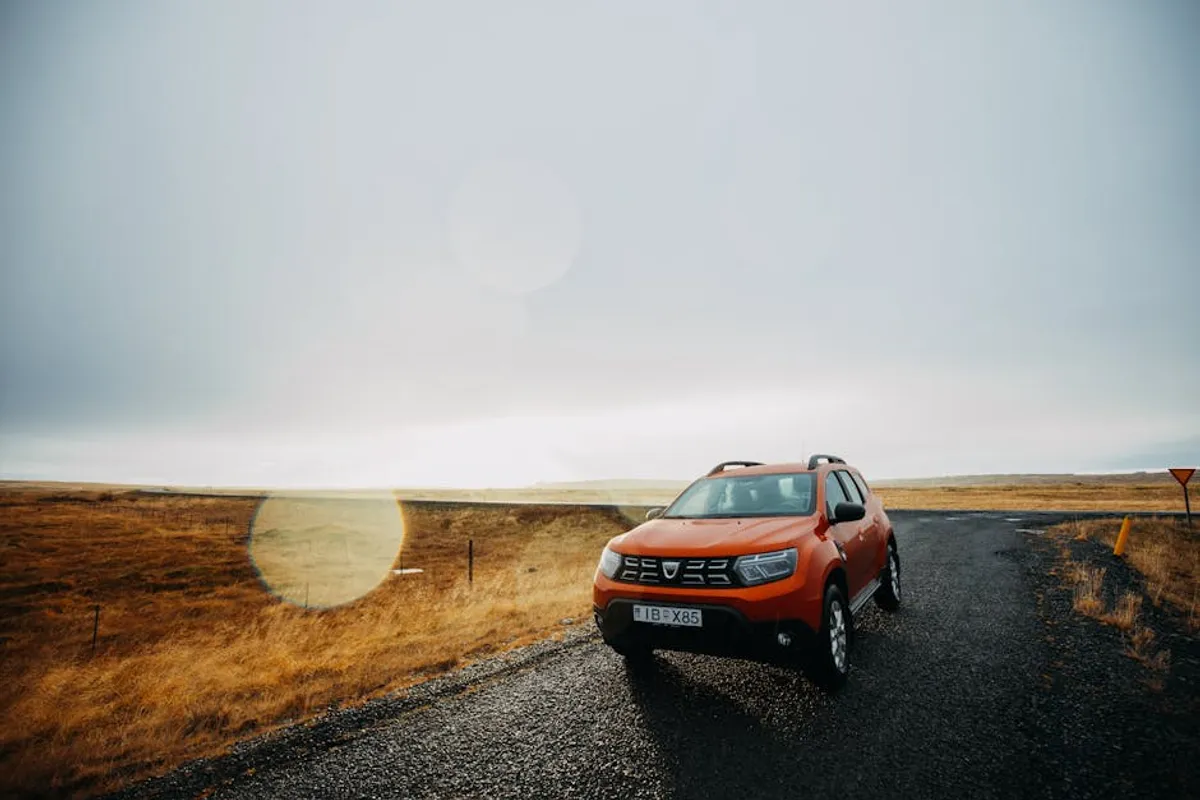
The Dacia Spring electric vehicle entered the European market positioned as one of the most accessible EVs available, directly addressing a critical barrier to electric vehicle adoption: upfront cost. Its design and feature set are optimized for urban and suburban use, targeting consumers who prioritize affordability and practicality over extended range or high-performance metrics. Understanding the Spring involves recognizing its specific market niche as a no-frills, cost-effective electric city car, a segment often overlooked by manufacturers focusing on premium or long-range EVs. This guide details its core proposition, intended applications, and essential specifications to provide a clear picture of its role in the evolving automotive landscape.
Dacia Spring's Market Position and Core Proposition
The Dacia Spring represents a strategic entry into the budget-friendly electric vehicle segment. Its primary value proposition is delivering basic electric mobility at a price point competitive with many internal combustion engine (ICE) city cars. This positioning aims to democratize EV ownership, making it attainable for a broader demographic, including first-time EV buyers or households seeking a practical second car for daily commutes and errands.
The vehicle's design reflects this philosophy: compact dimensions for urban maneuverability, a modest battery capacity suited for shorter trips, and a focus on essential features rather than advanced technological luxuries. This approach helps minimize manufacturing costs, which translates directly to its lower retail price. The Spring's significance lies in its ability to challenge the perception that electric vehicles are exclusively premium products, establishing a benchmark for affordability in the EV market.
Intended Uses and Target Demographics
The Dacia Spring is engineered specifically for urban and peri-urban environments. Its compact size, with a length typically around 3.7 meters, facilitates easy navigation through congested city streets and simplifies parking in tight spaces. The vehicle's limited range, generally in the 200-230 km (WLTP) bracket for combined driving, makes it suitable for daily commuting, school runs, and local shopping trips without frequent recharging anxieties. It is less suited for regular long-distance highway travel due to its power output and battery capacity.
Best for:
- Urban commuters seeking a low-cost, emission-free daily driver.
- Households requiring a second vehicle for local errands.
- First-time EV buyers looking for an entry point into electric mobility.
- Fleet operators needing economical, compact vehicles for city logistics or car-sharing services.
Key Specifications and Performance Details
Understanding the Dacia Spring's utility requires a review of its core technical specifications. These details underscore its design philosophy of practical, affordable electric transport.
Powertrain and Battery
The Spring typically features a modest electric motor, providing adequate power for city driving but not designed for rapid acceleration or high-speed performance. Early versions offered around 33 kW (44 hp), with later iterations introducing a more powerful 48 kW (65 hp) motor for improved responsiveness. The battery pack is generally a 26.8 kWh (net usable capacity) unit, contributing to its relatively light weight and lower cost compared to EVs with larger, longer-range batteries.
Range: The official WLTP combined range is often around 230 km (143 miles) for the 33 kW version, and similar for the 48 kW version. Urban-specific WLTP range figures can be higher, reflecting its intended use where regenerative braking is more effective.
Charging Capabilities
Charging the Dacia Spring is designed to be straightforward and compatible with common infrastructure. It supports both AC and DC charging, though the DC fast charging option is typically an add-on or available on specific trims.
- AC Charging: Standard AC charging via a Type 2 connector usually supports up to 6.6 kW. This allows for a full charge from 0-100% in approximately 4-5 hours using a dedicated wallbox or public AC charger. Charging from a standard domestic socket (2.3 kW) takes significantly longer, often over 13 hours.
- DC Fast Charging: For models equipped with the optional CCS DC charging port, the Spring can accept up to 30 kW. This enables a 0-80% charge in roughly 50 minutes, providing a quick top-up for longer journeys or when time is limited.
Pro Tip: While the Dacia Spring offers DC fast charging, its relatively small battery means that for typical urban use, overnight AC charging at home or work is often sufficient and more cost-effective. Plan charging around your daily routine rather than relying solely on rapid chargers.
Interior and Features
The interior of the Dacia Spring is functional and unpretentious, prioritizing durability and ease of use. Materials are generally hard-wearing plastics, reflecting its budget-conscious design. Despite its compact exterior, the car offers seating for four adults, though rear legroom can be limited for taller passengers. Boot space is adequate for daily needs, typically around 270-300 liters, expanding with the rear seats folded.
Standard features vary by trim level but generally include essentials like electric windows, central locking, and basic infotainment. Higher trims may offer a touchscreen infotainment system with smartphone integration (Apple CarPlay and Android Auto), rear parking sensors, and a rearview camera. Advanced driver-assistance systems (ADAS) are limited, focusing on mandated safety features rather than extensive autonomous capabilities.
Operational Considerations and Ownership Value
Beyond the initial purchase, the Dacia Spring presents distinct advantages in operational costs. Electric vehicles generally benefit from lower "fuel" costs compared to gasoline cars, especially when charging at home during off-peak hours. Maintenance is also typically simpler and less frequent for EVs due to fewer moving parts in the powertrain. The Spring's straightforward design further contributes to potentially lower long-term maintenance expenses.
Its small battery size translates to lower energy consumption, making it an economical choice for those tracking electricity usage. Furthermore, in many regions, electric vehicles are eligible for various government incentives, tax breaks, or reduced road tax, which can further enhance the overall ownership value proposition.
Navigating the Decision for the Dacia Spring
The Dacia Spring serves a specific segment of the automotive market: those seeking maximum electric mobility for minimal financial outlay. Its success hinges on its ability to provide reliable, no-frills transportation for urban and short-distance requirements. Prospective owners should align their driving habits and expectations with the Spring's capabilities. It excels as a city car, a second family vehicle, or a fleet solution where range and high performance are secondary to cost and practicality. Its market meaning is clear: an accessible gateway to electric driving, challenging conventional pricing structures in the EV sector.
Frequently Asked Questions about the Dacia Spring
What is the real-world range of the Dacia Spring?
The real-world range of the Dacia Spring typically varies from its official WLTP rating. For the 230 km WLTP combined range, expect closer to 180-200 km in mixed driving conditions, potentially less in cold weather or at higher speeds. In purely urban settings, it can often exceed the combined WLTP figure due to frequent regenerative braking.
Is the Dacia Spring suitable for highway driving?
While the Dacia Spring is capable of highway speeds, it is not optimized for extended highway use. Its power output means acceleration at higher speeds is modest, and its smaller battery experiences a more significant range reduction on highways compared to city driving. It is best suited for occasional short highway stints rather than regular long-distance travel.
What are the typical charging times for the Dacia Spring?
Charging times vary significantly by power source. Using a standard 2.3 kW domestic socket, a full charge can take over 13 hours. With a 6.6 kW AC wallbox, it takes approximately 4-5 hours for a 0-100% charge. If equipped with optional DC fast charging (up to 30 kW), a 0-80% charge can be achieved in about 50 minutes.
How does the Dacia Spring compare in price to other EVs?
The Dacia Spring consistently ranks among the most affordable electric vehicles available in markets where it is sold. Its price point is typically competitive with entry-level gasoline cars, making it significantly less expensive than most other new EVs, which often occupy higher price segments with larger batteries and more advanced features.