The 2025 Mazda 3 continues its trajectory as a compelling option in the compact car segment, consistently balancing driver engagement with refined aesthetics and practical functionality. For prospective buyers, understanding what distinguishes this model from its competitors—and previous iterations—is crucial. This guide provides a detailed look at its core attributes, intended applications, and the specific features that define its value proposition, helping you assess if it aligns with your driving needs and preferences.
Understanding the 2025 Mazda 3's Market Position
The Mazda 3 occupies a unique space, often perceived as a bridge between mainstream compacts and entry-level luxury vehicles. Its market position is defined by a commitment to design, driving dynamics, and interior quality that frequently exceeds expectations for its class. For 2025, the model refines these elements, aiming to offer a more polished and intuitive experience without compromising its accessible pricing.
Design Philosophy and Evolution
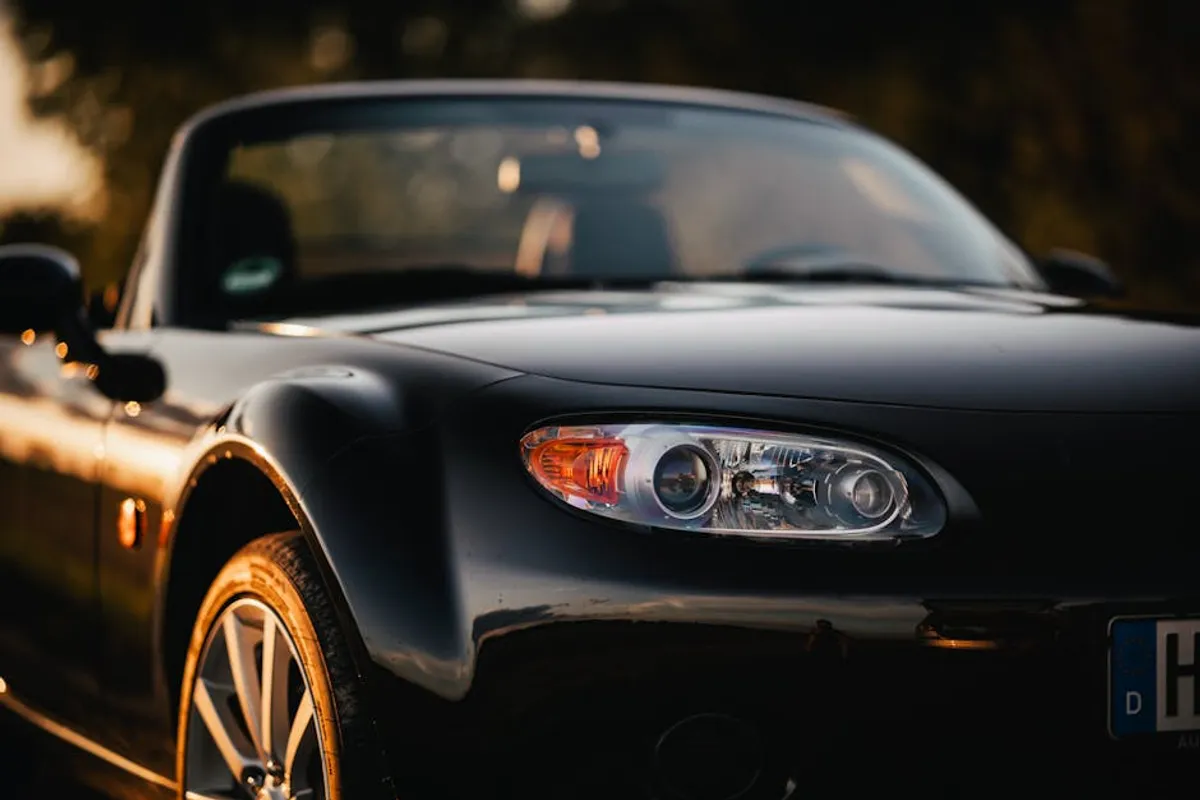
Central to the Mazda 3's appeal is its "Kodo: Soul of Motion" design language. This philosophy emphasizes elegant simplicity, flowing lines, and a sense of latent energy, creating a distinctive silhouette that stands out. For the 2025 model year, expect subtle enhancements rather than a complete overhaul. These typically involve refreshed lighting signatures, minor grille revisions, and new wheel designs, all intended to sharpen its contemporary edge while retaining its core aesthetic identity. The design isn't merely visual; it contributes to aerodynamic efficiency and a perceived premium feel, directly impacting buyer perception and long-term satisfaction.
Performance and Powertrain Options
The 2025 Mazda 3 is anticipated to offer a range of powertrain options, catering to different performance and efficiency priorities. The standard engine is typically a naturally aspirated 2.5-liter four-cylinder, delivering a balanced blend of power for daily driving and reasonable fuel economy. For those seeking a more spirited experience, a turbocharged 2.5-liter engine option is expected to provide significantly increased horsepower and torque, transforming the car's acceleration and responsiveness. Both engines are commonly paired with a smooth-shifting automatic transmission, though a manual transmission option has historically been available on select trims, appealing to driving enthusiasts. Front-wheel drive (FWD) is standard, with Mazda's i-Activ AWD system available, enhancing traction and stability in varied weather conditions, a key differentiator in its class.
Practical Applications and Target Demographics
The Mazda 3's versatility makes it suitable for a broad spectrum of drivers, from urban commuters to small families and individuals who prioritize an engaging driving experience.
Commuting and Urban Driving
In city environments, the Mazda 3's compact dimensions and precise steering make it highly maneuverable, simplifying parking and navigating congested streets. The naturally aspirated engine options provide adequate power for stop-and-go traffic while maintaining competitive fuel efficiency. Its refined cabin helps isolate occupants from urban noise, contributing to a more pleasant commute. The available hatchback variant offers enhanced cargo flexibility, making it practical for grocery runs or carrying gear.
Long-Distance Travel and Weekend Escapes
For longer journeys, the Mazda 3 offers a surprisingly comfortable ride for its class, with supportive seating and a well-damped suspension that absorbs road imperfections effectively. The optional turbocharged engine provides ample power for highway passing and merging, reducing driver fatigue. The available all-wheel drive system adds confidence when encountering adverse weather conditions or venturing onto unpaved roads for weekend adventures. Cargo capacity, especially in the hatchback, accommodates luggage for trips, while the sedan provides a secure, separate trunk space.
Technology Integration and Connectivity
The 2025 Mazda 3 is expected to feature a modern infotainment system, typically controlled via a central display and a console-mounted rotary controller. This interface prioritizes driver focus by minimizing touchscreen interaction while driving. Connectivity features are standard, supporting seamless smartphone integration. The inclusion of advanced driver-assistance systems enhances both safety and convenience.
- Infotainment Screen: Typically an 8.8-inch or 10.25-inch display, non-touch for safety while driving (touch functionality often enabled when stationary).
- Smartphone Integration: Standard Apple CarPlay and Android Auto, often with wireless capability on higher trims.
- Audio Systems: Standard multi-speaker setups, with premium Bose audio systems available for enhanced sound quality.
- Navigation: Integrated navigation often available as an option or on higher trim levels.
- USB Ports: Multiple USB-A and potentially USB-C ports for charging and data.
Key Details and Specifications for 2025
Understanding the specific configurations and features available is critical for making an informed purchase decision.
Trim Levels and Feature Progression
The 2025 Mazda 3 will likely continue with a structured trim hierarchy, each building upon the last with increasing levels of comfort, technology, and performance. Common trim names include S, Select, Preferred, Premium, Carbon Edition, and Turbo. Base models typically offer essential features like LED lighting, a comprehensive suite of safety technologies, and the core infotainment system. Moving up, trims add amenities such as heated seats, power-adjustable driver’s seats, leatherette or leather upholstery, larger wheels, and advanced connectivity features. The Turbo trims specifically introduce the more powerful engine and often come with unique styling cues and performance-oriented enhancements.
Interior Refinements and Material Quality
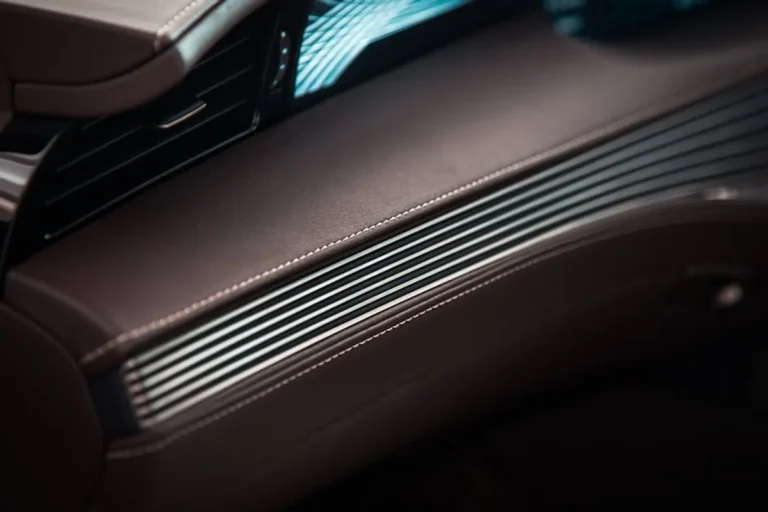
Mazda places a strong emphasis on interior craftsmanship, using high-quality materials and a minimalist design approach. The cabin of the 2025 Mazda 3 is expected to feature soft-touch surfaces, precise panel gaps, and thoughtful ergonomics. The seating is designed for long-haul comfort, and the overall fit and finish often rival vehicles from higher segments. Noise insulation is a particular strength, contributing to a quiet and composed ride, especially at highway speeds. This attention to detail creates a more premium and enjoyable environment for occupants.
Safety and Driver-Assistance Systems
Safety is a cornerstone of the Mazda 3's design, with its i-Activsense suite of driver-assistance technologies typically standard across all trims. This comprehensive package includes features designed to prevent accidents and mitigate their severity.
Pro Tip: When evaluating the 2025 Mazda 3's safety features, pay close attention to the specific functionalities included in the i-Activsense suite for your chosen trim. While many core features are standard, advanced functionalities like Traffic Jam Assist or a 360-degree view monitor may be exclusive to higher trims or optional packages. Always cross-reference with official specifications to ensure the desired level of protection.
Standard features generally include radar cruise control with stop-and-go functionality, lane-keep assist, lane departure warning, blind-spot monitoring with rear cross-traffic alert, and automatic emergency braking. Higher trims may add adaptive front-lighting systems, a head-up display, and front and rear parking sensors.
Making an Informed Decision on the 2025 Mazda 3
When considering the 2025 Mazda 3, assess your primary driving environment and priorities. If a blend of sophisticated design, engaging driving dynamics, and a premium-feeling interior are paramount, the Mazda 3 warrants close consideration. Determine whether the standard naturally aspirated engine meets your performance needs or if the turbocharged option is a worthwhile upgrade for a more exhilarating experience. Evaluate the trim levels not just by price, but by the specific features that enhance your daily use, such as advanced safety tech, premium audio, or all-wheel drive. A thorough test drive of both sedan and hatchback variants, if available, will provide the most accurate assessment of its fit for your lifestyle.
Frequently Asked Questions
What are the main differences between the 2025 Mazda 3 Sedan and Hatchback?
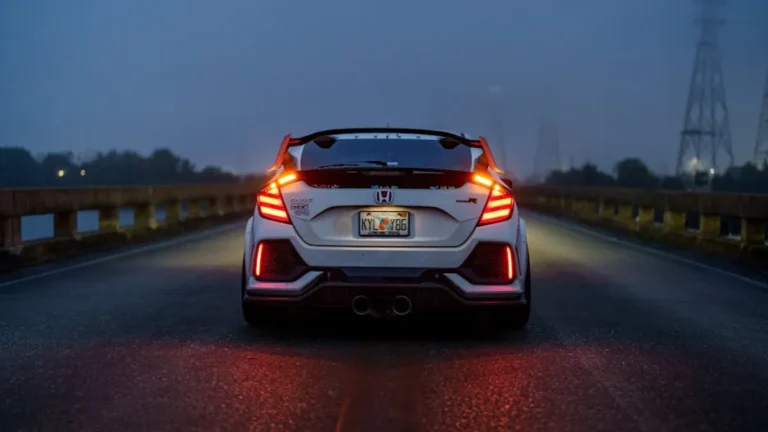
The primary difference lies in cargo capacity and rear styling. The hatchback offers more versatile cargo space with a larger opening, making it easier to load bulky items, while the sedan provides a traditional trunk with a separate, secure storage area. Styling also varies, with the hatchback featuring a sportier, more compact rear profile.
Does the 2025 Mazda 3 offer all-wheel drive?
Yes, the 2025 Mazda 3 is expected to offer Mazda's i-Activ AWD system as an option, particularly with the more powerful engine choices or on specific trim levels, enhancing traction and stability in diverse driving conditions.
What kind of fuel economy can I expect from the 2025 Mazda 3?
Fuel economy will vary based on the engine choice (naturally aspirated vs. turbocharged) and drivetrain (FWD vs. AWD). The naturally aspirated FWD models will generally offer the best fuel efficiency, while turbocharged AWD models will prioritize performance over peak economy. Specific EPA ratings will be released closer to the vehicle's launch.
Are there any significant changes to the interior technology for the 2025 model year?
While major overhauls are less common year-to-year, the 2025 model may see incremental updates to its infotainment software, potentially offering faster processing, new connectivity features, or minor user interface refinements. The core control scheme, relying on the rotary commander, is expected to remain consistent.