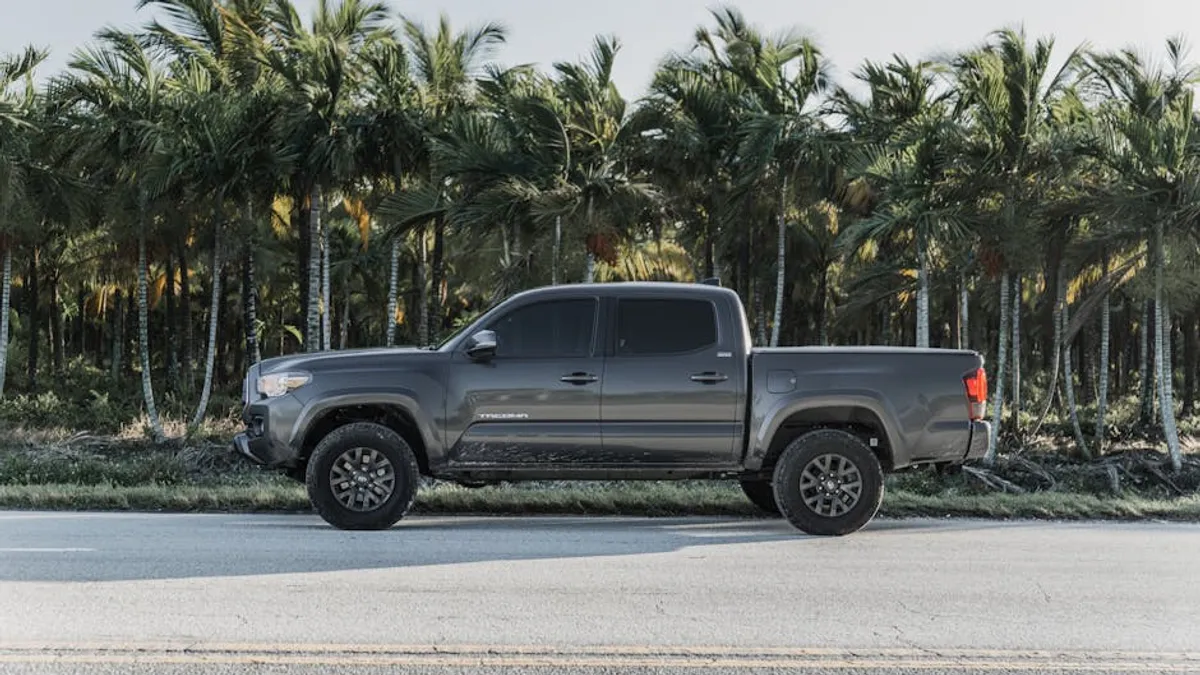
The Toyota Tacoma consistently ranks as a top seller in the mid-size truck segment, known for its robust build quality, strong resale value, and off-road prowess. However, the breadth of configurations, from basic work trucks to highly capable off-road machines, means that making an informed purchase requires a clear understanding of your specific needs and the options available. This guide clarifies the key distinctions across Tacoma generations, trim levels, and feature sets to help prospective buyers identify the model best suited for their intended use and budget. Understanding the broader context of the mid-size truck segment can also help you appreciate the Tacoma's place in the market.
Understanding Tacoma Generations and Core Offerings
The Toyota Tacoma has evolved through several generations, each bringing distinct characteristics and advancements. While a comprehensive historical review is extensive, focusing on the most recent generations provides the most relevant context for today's buyers, whether considering new or used models.
The third generation (2016-2023) introduced a more refined interior, updated infotainment, and enhanced safety features compared to its predecessors. Engine options primarily included a 2.7-liter four-cylinder and a 3.5-liter V6, paired with either a six-speed automatic or a six-speed manual transmission. This generation cemented the Tacoma's reputation for reliability and off-road capability, particularly in TRD Off-Road and TRD Pro trims.
The fourth generation, debuting for the 2024 model year, represents a significant redesign. It moves to the TNGA-F platform, shared with larger Toyota trucks and SUVs, and introduces new powertrain options: the i-FORCE turbocharged 2.4-liter four-cylinder and the i-FORCE MAX hybrid turbocharged 2.4-liter. This generation also brings a modernized interior, improved ride quality, and advanced technology, including a new coil-spring rear suspension on most trims, replacing the leaf springs of previous models.
New Tacoma: Trim Levels and Configurations
For buyers considering a new Toyota Tacoma, understanding the current trim hierarchy and available configurations is crucial. Each trim level is designed to cater to different priorities, from basic utility to premium off-road performance.
- SR: The entry-level workhorse. Equipped with the i-FORCE engine, it focuses on functionality and durability. Expect basic infotainment and steel wheels.
Best for: Fleet buyers, those needing a reliable utility truck, or a base for extensive aftermarket modifications.
- SR5: A step up in comfort and convenience. Adds features like alloy wheels, a larger infotainment screen, and power-adjustable seats. Available with both i-FORCE and i-FORCE MAX powertrains depending on configuration.
Best for: Daily drivers seeking more creature comforts without a significant price jump, light recreational use.
- TRD PreRunner: A 2WD-only trim with an elevated stance and specific off-road-inspired styling cues. Features an electronic locking rear differential.
Best for: Buyers wanting the aggressive look and some capability for light trails in dry conditions, without the complexity or cost of 4WD.
- TRD Sport: Designed for on-road performance and a sportier aesthetic. Features a sport-tuned suspension, hood scoop, and specific wheel designs. Available with manual transmission in some configurations.
Best for: Enthusiasts prioritizing a firm on-road ride, sporty appearance, and V6 power (in previous generations) or stronger i-FORCE MAX output.
- TRD Off-Road: The benchmark for off-road capability without going to the Pro. Includes Bilstein shocks, Multi-Terrain Select, Crawl Control, and a locking rear differential.
Best for: Serious off-roaders who still need daily drivability, offering advanced trail technology and robust components.
- Limited: The premium, luxury-oriented trim. Offers features like leather upholstery, a premium audio system, larger infotainment, and refined exterior accents.
Best for: Buyers seeking a comfortable, well-appointed truck for daily commuting and light-duty hauling, prioritizing amenities over extreme off-road capability.
- Trailhunter: A new trim for the fourth generation, purpose-built for overlanding. Features Old Man Emu (OME) suspension, ARB steel bumpers, a high-mounted air intake, and additional recovery points.
Best for: Dedicated overlanders and adventure travelers who require factory-integrated, robust equipment for extended backcountry trips.
- TRD Pro: The pinnacle of factory off-road performance. Includes Fox shocks, increased ground clearance, unique styling, and enhanced underbody protection.
Best for: Enthusiasts demanding the most capable factory off-roader, willing to pay a premium for top-tier components and exclusive features.
Beyond trim levels, consider cab and bed configurations. The Access Cab (extended cab with rear jump seats) typically comes with a 6-foot bed, while the Double Cab (crew cab with full rear seats) offers either a 5-foot or 6-foot bed. Your choice here impacts passenger space versus cargo capacity.
Used Tacoma: Key Inspection Points
When purchasing a used Toyota Tacoma, thorough inspection is paramount. While Tacomas are renowned for their longevity, certain areas warrant close attention to avoid unexpected repair costs.
Pro Tip: Frame Rust Inspection
Always prioritize a meticulous inspection of the frame, especially on third-generation (2016-2023) and older models. Extensive rust on the frame rails can compromise structural integrity and be costly to repair. Look for flaking, perforations, or significant pitting, particularly around welds and suspension mounting points. Surface rust is common and generally manageable, but deep, penetrating rust is a red flag. A pre-purchase inspection by an independent mechanic specializing in Toyota trucks is highly recommended.
Beyond the frame, check for:
- Maintenance Records: A complete service history indicates diligent ownership and adherence to manufacturer-recommended intervals. Look for evidence of regular oil changes, differential fluid changes, and transmission services.
- Recalls: Verify if any open recalls have been addressed. Toyota has issued recalls for various components over the years, including fuel pumps and leaf springs.
- Drivetrain Components: Listen for unusual noises during a test drive, particularly from the engine, transmission, and differentials. Check for smooth shifting and engagement of 4WD if applicable. Inspect for fluid leaks around seals and gaskets.
- Suspension and Steering: Uneven tire wear, clunking noises over bumps, or loose steering can indicate worn suspension components (shocks, bushings, ball joints).
- Interior Condition: Assess the wear and tear on seats, carpets, and controls. A well-maintained interior often reflects overall care for the vehicle.
Test Drive and Final Considerations
A comprehensive test drive is non-negotiable for both new and used Tacomas. Pay attention to how the truck handles in various conditions you anticipate encountering. For new models, compare different powertrains (i-FORCE vs. i-FORCE MAX) to feel the difference in acceleration and responsiveness. For used models, evaluate braking performance, steering feel, and any abnormal vibrations or noises.
Consider the total cost of ownership. Tacomas generally hold their value exceptionally well, which is beneficial for resale but means higher purchase prices, even for used models. Factor in insurance costs, fuel economy (which can vary significantly between engines and driving styles), and potential maintenance expenses. While reliable, any vehicle requires ongoing care.
Making Your Informed Decision
Choosing the right Toyota Tacoma involves aligning its capabilities with your lifestyle and budget. Start by defining your primary use case: Will it be a daily commuter, a weekend adventure vehicle, a work truck, or a dedicated off-roader? This initial assessment will narrow down the suitable trim levels and configurations. Research specific features important to you, such as towing capacity, payload, advanced safety systems, or infotainment options. By systematically evaluating your needs against the Tacoma's diverse offerings, you can confidently select a truck that will serve you reliably for years to come.
Frequently Asked Questions
Is the Toyota Tacoma a reliable truck?
Yes, the Toyota Tacoma is widely regarded as one of the most reliable mid-size trucks on the market, known for its robust engineering and long-term durability. This contributes significantly to its high resale value.
What is the difference between TRD Sport and TRD Off-Road?
The TRD Sport is tuned for on-road performance and a sportier appearance, featuring a stiffer suspension and body-colored exterior accents. The TRD Off-Road is equipped for serious trail use with off-road-tuned suspension (Bilstein shocks), a locking rear differential, Multi-Terrain Select, and Crawl Control for enhanced capability on challenging terrain.
What engine options are available in the new (4th Gen) Tacoma?
The 4th generation Toyota Tacoma offers two main engine options: the i-FORCE turbocharged 2.4-liter four-cylinder and the i-FORCE MAX hybrid turbocharged 2.4-liter, which provides increased horsepower and torque.
Do Tacomas have rust issues?
Older generations of the Toyota Tacoma, particularly the 2nd generation (2005-2015), were known to have frame rust issues. While subsequent generations have improved, it remains a critical inspection point for any used Tacoma, especially those exposed to road salt or humid environments.