
Choosing a pickup truck involves more than just selecting a brand; it requires a precise assessment of your specific needs against a vehicle's capabilities. The market offers a wide spectrum, from compact models designed for light utility and urban maneuverability to heavy-duty workhorses engineered for demanding tasks. Before committing, consider how the truck integrates into your daily life, the types of loads it will carry or tow, and the environments it will navigate. This guide outlines the critical factors that differentiate models and impact long-term ownership, ensuring your investment aligns with practical application.
Defining Your Truck's Primary Purpose
The initial step in any pickup truck purchase is to clearly define its intended use. This foundational decision influences every subsequent specification, from engine size to suspension tuning.
Work Vehicle Requirements
If the truck's primary role is commercial or heavy-duty labor, prioritize payload and towing capacities. These metrics, often expressed in pounds, dictate the maximum weight the truck can safely carry in its bed and pull behind it. Manufacturers provide detailed specifications for each model and configuration. Consider the type of cargo: construction materials, landscaping supplies, or specialized equipment all have different weight distributions and volume needs. A truck frequently hauling heavy loads benefits from a robust frame, heavy-duty suspension, and a powerful engine, often a diesel variant for its torque output and fuel efficiency under load.
Best for: Construction, landscaping, agricultural work, commercial hauling.
Recreational and Lifestyle Needs
For buyers seeking a truck for outdoor adventures, towing recreational vehicles, or weekend projects, emphasis shifts to off-road capability, comfort, and versatile cargo management. Features like four-wheel drive (4WD) with low-range gearing, higher ground clearance, and all-terrain tires become critical. Interior amenities, advanced infotainment systems, and comfortable seating are also more prominent considerations for longer trips. Bed utility options, such as integrated tie-downs, bed liners, and tonneau covers, enhance functionality for gear transport.
Best for: Camping, boating, ATV/motorcycle transport, home improvement projects.
Daily Driver and Commuter Considerations
When a pickup truck serves as a primary daily vehicle, fuel economy, ride comfort, and maneuverability are paramount. Mid-size pickups often excel here, offering a more car-like driving experience and easier parking in urban environments. Full-size light-duty trucks also offer refined interiors and advanced safety features that make them suitable for commuting, though their larger footprint can be a drawback. Engine choices, such as V6 or turbocharged four-cylinder options, often provide a balance of power and efficiency for routine driving. For urban driving, considering smaller truck options can be beneficial for parking and maneuverability.
Best for: Urban commuting, family transport, light utility, suburban use.
Key Specifications and Configurations
Beyond purpose, specific mechanical and structural configurations dictate a truck's performance and utility.
Cab Types and Seating Capacity
The cab configuration directly impacts passenger space and interior comfort:
- Regular Cab: Typically two doors, seating for two or three. Maximizes bed length on a given wheelbase.
- Extended Cab (e.g., Quad Cab, SuperCab): Two full-size front doors and two smaller, rear-hinged doors. Offers limited rear seating, often suitable for occasional passengers or extra storage.
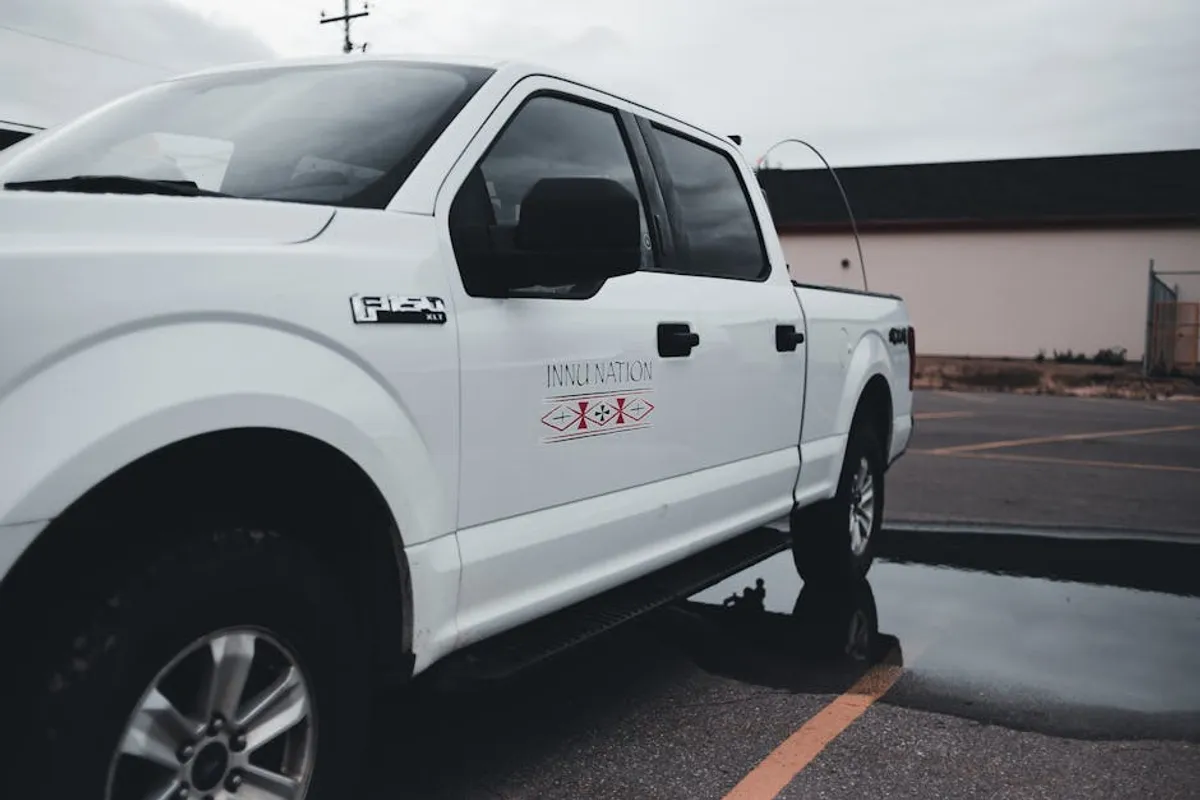
- Crew Cab (e.g., Double Cab, SuperCrew): Four full-size doors, ample rear legroom, seating for five or six adults. Most popular for families or those needing significant passenger capacity, often paired with a shorter bed.
Bed Length
Bed length is crucial for cargo volume. Common lengths include short (around 5.5 feet), standard (around 6.5 feet), and long (around 8 feet). A longer bed accommodates more oversized items but increases the overall vehicle length, affecting maneuverability and parking. A shorter bed, especially with a crew cab, is more common for daily drivers.
Drivetrain Options
The drivetrain determines how engine power is delivered to the wheels:
- Two-Wheel Drive (2WD): Typically rear-wheel drive (RWD) for pickups. Offers better fuel economy and lower purchase cost. Suitable for paved roads and light-duty towing.
- Four-Wheel Drive (4WD): Engages all four wheels for enhanced traction on slippery surfaces, off-road, or in adverse weather. Often comes with a low-range transfer case for challenging terrain. Increases purchase price and can slightly reduce fuel efficiency.
Engine Types
Engine choice impacts power, torque, and fuel economy:
- Gasoline Engines: Ranging from V6 to V8, or turbocharged four-cylinders. Generally lower upfront cost, higher horsepower, and smoother operation.
- Diesel Engines: Known for high torque at low RPMs, excellent towing capability, and often better fuel economy under load. Higher purchase price and maintenance costs.
- Hybrid/Electric Powertrains: Emerging options offering improved fuel efficiency, often with electric motors providing additional torque.
Pro Tip: Always verify payload and towing capacities directly from the manufacturer's official specifications for the exact trim level and configuration you are considering. These numbers are not interchangeable across models or even within the same model line, and exceeding them compromises safety and vehicle longevity.
Assessing Your Budget and Ownership Costs
The initial purchase price is only one component of truck ownership. Factor in long-term expenses to understand the true cost.
New vs. Used Market
New trucks offer the latest technology, warranty coverage, and customization options. Used trucks present a lower upfront cost, reduced depreciation, and a wider selection of past models. When considering used, a thorough pre-purchase inspection by an independent mechanic is essential to identify potential issues.
Fuel Economy and Maintenance
Larger engines and 4WD systems generally consume more fuel. Research average MPG ratings for your chosen configuration. Maintenance costs for heavy-duty trucks, especially those with diesel engines, can be higher due to specialized components and fluids. Insurance premiums also vary significantly based on vehicle type, driver history, and coverage levels.
Making an Informed Decision
Before finalizing your choice, test drive multiple models to assess ride quality, interior comfort, visibility, and overall driving dynamics. Pay attention to blind spots, steering feel, and braking performance. If possible, test drive with a representative load to simulate real-world conditions. Verify all desired features are present and functioning correctly. Review warranty details, service intervals, and available extended protection plans.
Frequently Asked Questions
What is the difference between payload and towing capacity?
Payload capacity refers to the maximum weight a truck can carry in its cab and bed, including passengers and cargo. Towing capacity is the maximum weight the truck can pull behind it, including the trailer and its contents. Both are critical metrics for truck utility.
Should I buy a gas or diesel pickup truck?
Gasoline trucks typically have lower upfront costs and maintenance, offering higher horsepower. Diesel trucks excel in torque, fuel efficiency under heavy loads, and longevity, making them ideal for frequent, heavy towing, but they come with a higher purchase price and potentially higher maintenance expenses.
Are mid-size trucks capable of towing?
Yes, many mid-size trucks offer respectable towing capacities, often ranging from 5,000 to 7,700 pounds, depending on the model and configuration. This makes them suitable for towing smaller boats, utility trailers, or lightweight travel trailers, while offering better maneuverability than full-size options.
How important is resale value for a pickup truck?
Resale value is a significant factor, as pickup trucks generally retain their value well, particularly those with popular configurations and well-maintained service records. High resale value can offset initial depreciation and reduce the overall cost of ownership when you eventually sell or trade in the vehicle.