
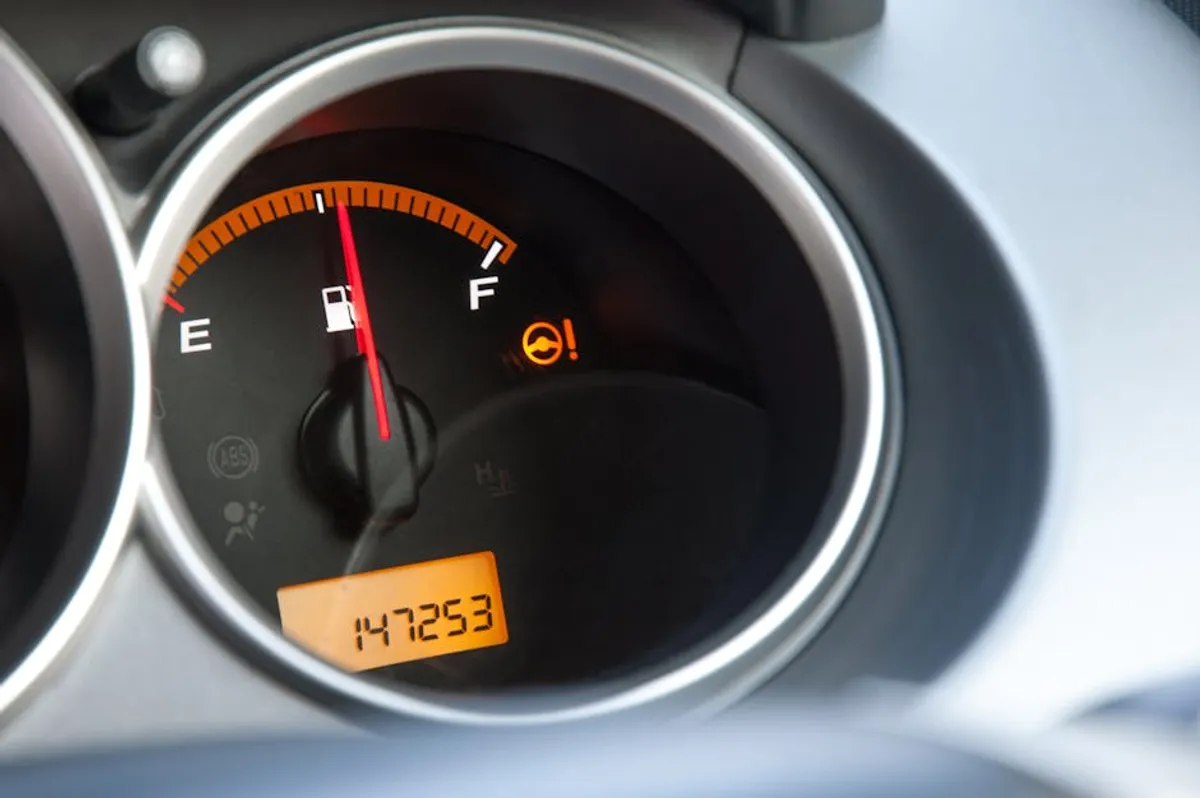
When evaluating a second-hand car, the odometer reading often serves as an initial filter for many buyers. While mileage is a critical data point, it represents only one facet of a vehicle's overall condition and potential longevity. A low number on the dashboard can suggest minimal wear, but it doesn't guarantee a problem-free purchase. Conversely, a higher mileage vehicle, with a documented history of diligent maintenance and careful driving, can represent significant value. Understanding how mileage interacts with other factors—such as vehicle age, driving conditions, and maintenance records—is essential for making an informed decision that aligns with both budget and long-term reliability expectations.
Mileage as a Primary Indicator of Wear
Mileage directly correlates with the cumulative stress and operational hours on a vehicle's components. Every mile driven contributes to the wear and tear of the engine, transmission, suspension, brakes, and interior. High mileage typically indicates that more parts have reached or are approaching their service life limits, potentially requiring more immediate and costly replacements. For example, a car with 150,000 miles will likely have experienced more cycles of engine combustion, gear shifts, and suspension articulation than one with 50,000 miles.
However, low mileage isn't always a definitive advantage. Vehicles with exceptionally low mileage for their age might have sat unused for extended periods. This can lead to its own set of problems, including dry-rotted tires, seized brake calipers, degraded rubber seals and hoses, or even battery issues. A car designed to be driven benefits from regular operation, which keeps fluids circulating and components lubricated. Therefore, balance is key: a car with average mileage for its age often suggests consistent use and maintenance.
Contextualizing Mileage: Beyond the Number
The raw odometer figure requires interpretation within a broader context. A comprehensive assessment involves looking at several interdependent variables that influence a car's condition irrespective of mileage.
Highway Mileage vs. City Mileage
Not all miles are created equal. Highway driving, characterized by consistent speeds and fewer stops and starts, generally causes less wear on an engine, transmission, and brakes than city driving. City miles involve frequent acceleration, braking, and idling, which put greater strain on mechanical components and lead to faster accumulation of wear. A car with 100,000 highway miles might be in better mechanical shape than a car with 70,000 city miles.
The Maintenance Record
A meticulous service history is often more indicative of a car's health than mileage alone. A high-mileage car with a complete record of oil changes, fluid flushes, belt replacements, and timely repairs can be a more reliable purchase than a low-mileage car with an undocumented or sporadic maintenance history. Look for detailed invoices, not just stamps in a service book, to confirm the scope and regularity of work performed.
Age vs. Mileage Ratio
Consider the average annual mileage for a typical driver, which often falls between 10,000 and 15,000 miles. A 5-year-old car with 25,000 miles is considered low mileage, while a 5-year-old car with 100,000 miles is high. This ratio helps determine if the car has been driven excessively, sparingly, or typically. A car with very low mileage for its age might indicate it sat idle, while very high mileage suggests constant use, potentially for commercial purposes like taxi services or long-distance commuting, which can impact wear patterns.
Manufacturer Reputation and Durability
Certain vehicle brands and models are engineered for greater longevity and resilience to high mileage. For example, some diesel engines are known to perform reliably well beyond 200,000 miles, while other vehicle types might show significant decline at 100,000 miles. Researching the specific make and model's reputation for durability and common high-mileage issues provides valuable insight.
Engine Type and Longevity
The type of engine significantly influences how well a car handles high mileage. Diesel engines, with their robust construction and lower operating RPMs, often have a longer lifespan than comparable petrol engines. Hybrid vehicles, which cycle between electric and combustion power, may distribute wear differently, potentially extending the life of the petrol engine components. Electric vehicles (EVs) have fewer moving parts than internal combustion engine cars, meaning mileage affects the battery pack's degradation more than traditional mechanical wear, though battery health depends on charging cycles and environmental factors.
Pro Tip: Always verify the odometer reading against vehicle history reports (such as those from national databases or independent services) and inspect the car's physical condition. Inconsistencies between the reported mileage and the car's apparent wear (e.g., heavily worn pedals and seats in a car with low mileage) are significant red flags that warrant further investigation or cause for walking away from the deal.
Key Inspection Points for Used Cars
Beyond the odometer, a thorough inspection is non-negotiable. This involves both your own visual assessment and a professional pre-purchase inspection (PPI).
- Exterior: Check for consistent paint color, panel gaps, and signs of accident repair. Look for rust, especially on the undercarriage.
- Tires: Assess tread depth and even wear. Uneven wear can indicate alignment or suspension issues.
- Engine Bay: Look for fluid leaks, frayed belts, corroded battery terminals, and any signs of amateur repairs.
- Interior: Examine seat wear, dashboard condition, and functionality of all electronics (windows, lights, AC, radio).
- Test Drive: Listen for unusual noises from the engine or suspension, observe steering responsiveness, brake feel, and transmission shifts.
- Documentation: Review service records, previous registration documents, and any recall notices.
Making an Informed Decision
Buying a second-hand car involves weighing multiple factors, with mileage being a prominent but not singular consideration. A car's true value and reliability are a composite of its odometer reading, its maintenance history, the conditions it was driven in, its age, and its inherent build quality. Prioritize a vehicle that has been consistently maintained, regardless of whether its mileage is slightly above or below average. Always budget for a professional pre-purchase inspection by an independent mechanic to uncover any hidden issues that might not be apparent to the untrained eye.
Frequently Asked Questions
Is low mileage always better for a used car?
Not necessarily. While low mileage often means less wear, extremely low mileage for an older car can indicate prolonged periods of inactivity, which can lead to issues like dried-out seals, flat-spotted tires, and fluid degradation. A car with average, consistent mileage and a strong maintenance history is often a more reliable choice.
How can I verify a car's mileage?
Always check the odometer reading against the vehicle's service records, inspection stickers, and vehicle history reports from reputable services. Look for consistency across these documents. Discrepancies, or signs of physical tampering with the odometer, are serious red flags.
What is considered "good" mileage for a used car?
"Good" mileage is relative to the car's age and type. Generally, a car with mileage close to the national average (around 10,000-15,000 miles per year) is considered normal. For instance, a 5-year-old car with 50,000-75,000 miles would be typical. However, a car with higher mileage but excellent maintenance can be a better buy than a low-mileage car with a poor service history.
Should I avoid high-mileage cars entirely?
Not always. Many modern vehicles are built to last well over 150,000 or even 200,000 miles, especially with proper care. A high-mileage car can offer significant cost savings upfront. If it has a verifiable, comprehensive service history, passes a thorough pre-purchase inspection, and the specific make and model is known for durability, it can be a smart and economical purchase.