When purchasing a new vehicle, the choice extends beyond simply selecting a make and model. Prospective buyers confront a spectrum of "trim levels," each representing a distinct configuration of features, materials, and performance specifications. Understanding these distinctions is critical, as the chosen trim directly influences the vehicle's initial cost, long-term value, daily usability, and even its aesthetic appeal. This decision isn't merely about luxury versus economy; it's about aligning a vehicle's capabilities and comforts with individual needs, budget parameters, and anticipated ownership experience.
Defining Vehicle Trim Levels
A vehicle trim level is a specific version of a car model, characterized by a predefined set of features and specifications that differentiate it from other versions of the same model. Manufacturers use trim levels to segment their offerings, catering to a wider range of customer preferences and price points without developing entirely separate models. Each trim level, typically identified by an alphanumeric code (e.g., LX, SE, EX, GT, Limited, Platinum) or a descriptive name, builds upon the features of the preceding, lower-tier trim, adding more advanced technology, premium materials, enhanced performance, or unique styling cues.
This structured approach allows carmakers to streamline production while providing consumers with clear choices. For example, a base trim might offer essential functionality at a lower price, while a top-tier trim provides a full suite of amenities and performance upgrades. The strategic differentiation ensures that a model can appeal to budget-conscious buyers and those seeking a more premium or performance-oriented experience, all under the same model name.
Core Differentiators Across Trim Levels
Manufacturers distinguish trim levels through various components, directly affecting both the user experience and the vehicle's market positioning.
Engine and Powertrain Configurations
Higher trim levels often unlock more powerful engine options, such as turbocharged variants, larger displacement engines, or hybrid/electric powertrains not available on base models. This can translate to increased horsepower, torque, and sometimes improved fuel efficiency or specialized driving modes. Transmission choices, like an advanced automatic with more gears or a sport-tuned manual, may also be exclusive to specific trims, impacting driving dynamics and responsiveness.
Interior Features and Material Quality
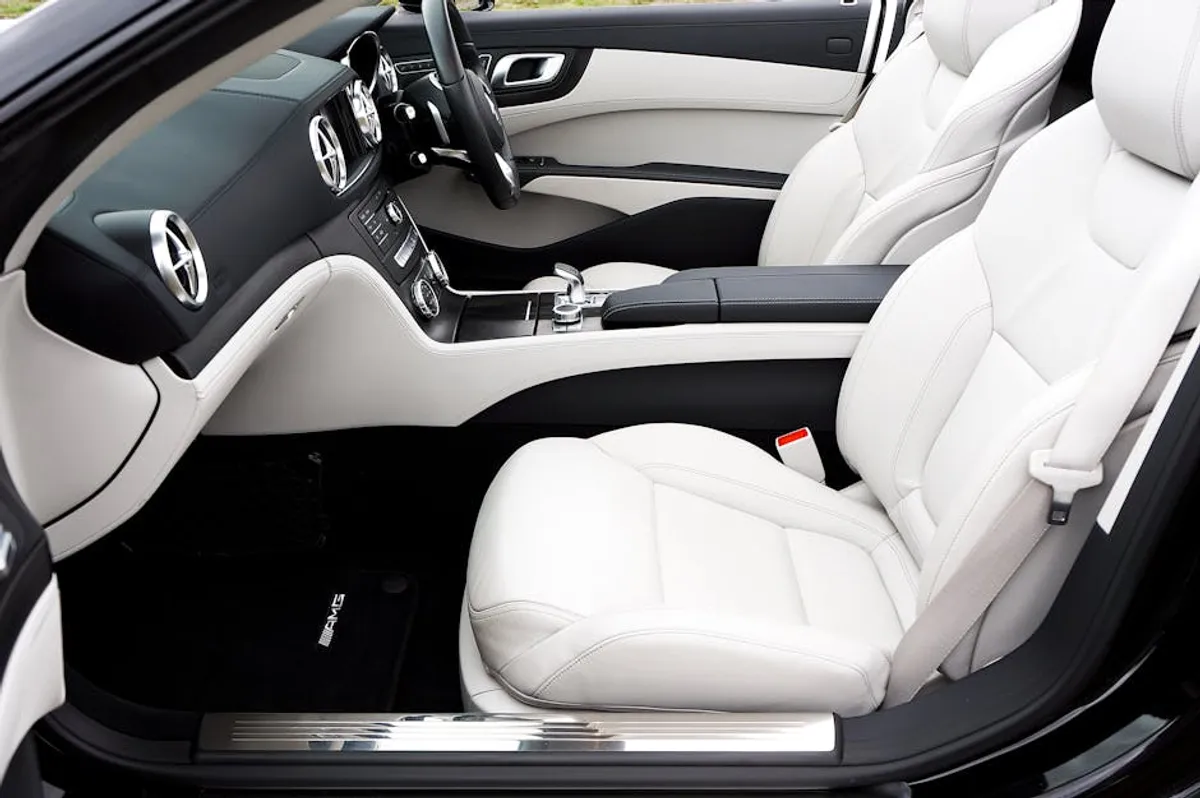
The cabin experience is significantly altered across trims. Lower trims typically feature cloth upholstery, manual seat adjustments, and basic climate control. Mid-range trims introduce synthetic leather or upgraded cloth, power-adjustable driver seats, and dual-zone automatic climate control. Top trims frequently include genuine leather seating, heated and ventilated front seats, heated rear seats, memory functions for driver settings, premium headliners, ambient interior lighting, and advanced sound-deadening materials for a quieter ride.
Exterior Styling and Aesthetic Enhancements
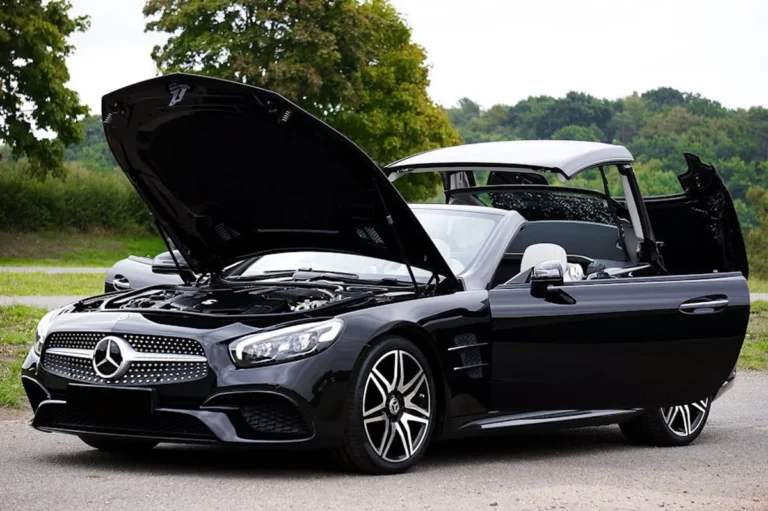
Visual distinctions are common. Base trims often come with steel wheels and plastic hubcaps, while higher trims offer progressively larger alloy wheels with unique designs. Exterior lighting can evolve from halogen headlights to LED headlights, fog lights, and even adaptive lighting systems. Other exterior upgrades include chrome accents, unique grille designs, body-colored side mirrors, power-folding mirrors, sunroofs or panoramic roofs, roof rails, and sportier body kits or spoilers.
Safety and Driver-Assistance Technologies
While fundamental safety features (airbags, ABS) are standard across all trims due to regulations, advanced driver-assistance systems (ADAS) are frequently trim-dependent. Entry-level trims might offer a rearview camera and basic cruise control. Higher trims progressively add features like adaptive cruise control, lane-keeping assist, blind-spot monitoring, rear cross-traffic alert, automatic emergency braking, parking sensors, 360-degree cameras, and head-up displays. These technologies significantly enhance active safety and driving convenience.
Infotainment and Connectivity Systems
The central command center often sees the most noticeable upgrades. Base trims may include a smaller touchscreen or a non-touch display with basic Bluetooth connectivity and a limited speaker count. Moving up, trims gain larger touchscreens (e.g., 8-inch to 12-inch), integrated navigation, Apple CarPlay and Android Auto compatibility, satellite radio, Wi-Fi hotspots, multiple USB ports, wireless charging pads, and premium audio systems from brands like Bose, Harman Kardon, or Bang & Olufsen.
Impact on Pricing and Resale Value
The primary commercial impact of trim levels is on the vehicle's purchase price. Each step up in trim typically corresponds to a significant price increase, reflecting the added features and complexities. This tiered pricing structure allows manufacturers to capture different market segments effectively.
From a resale perspective, higher trim levels generally retain a greater percentage of their original value, especially for popular models. Buyers in the used car market often seek vehicles equipped with desirable features, making well-appointed trims more attractive and command higher prices. However, the absolute depreciation in dollar terms can be greater for top trims due to their higher initial cost. The key is the percentage retained value, which is often stronger for mid-to-high trims that strike a balance between features and initial cost.
Pro Tip: When evaluating trim levels, consider the "sweet spot" where added features provide substantial real-world benefit without incurring excessive cost for rarely used amenities. Research specific model depreciation trends; sometimes, a mid-range trim offers the best balance of features, cost, and long-term value retention.
Navigating the Trim Level Decision
Choosing the right trim level involves a systematic evaluation of priorities and constraints.
- Define Essential Needs: List non-negotiable features for safety, performance, and daily commuting. Does the base model meet these?
- Establish a Firm Budget: Determine the maximum comfortable monthly payment or total purchase price. This immediately filters out unaffordable higher trims.
- Prioritize Desired Features: Beyond essentials, what features would genuinely enhance your driving experience (e.g., heated seats, advanced navigation, specific driver aids)? Assess if these are bundled into a higher trim or available as individual options on a lower trim.
- Consider Future Use and Resale: If you plan to keep the vehicle for an extended period, investing in features that improve long-term comfort or utility might be worthwhile. If frequent trade-ins are likely, research which trims hold their value best for that specific model.
- Test Drive Multiple Trims: Whenever possible, drive both a lower and a higher trim of the same model. The tactile difference in materials, the performance of a different engine, or the usability of an upgraded infotainment system can be more apparent during a direct comparison.
Making an Informed Choice
Selecting a vehicle trim level is a balancing act between desire, utility, and financial prudence. By systematically assessing your core requirements, understanding the specific differentiators offered by each trim, and considering the long-term financial implications, you can make a decision that maximizes satisfaction and value. Avoid the temptation to overspend on features that won't be regularly utilized, but also recognize the value of certain upgrades that genuinely enhance safety, comfort, or convenience for your specific driving habits. A well-chosen trim level ensures your vehicle not only meets your immediate needs but also continues to deliver a positive ownership experience over time.
Frequently Asked Questions
What is the difference between a trim level and an option package?
A trim level is a predefined version of a vehicle model with a fixed set of features and specifications. An option package, conversely, is a group of related features that can be added to an existing trim level, often for an additional cost. For example, a "Convenience Package" might add heated seats and a power liftgate to a mid-range trim.
Can I add features from a higher trim to a lower trim?
Sometimes, but not always. Certain features, especially those related to powertrain or structural elements, are exclusive to higher trims and cannot be retrofitted. However, many technology or comfort features might be available as standalone options or within option packages on lower trims, allowing for some customization without stepping up an entire trim level.
Do higher trim levels always have better resale value?
Not necessarily in absolute dollar terms. While higher trims often retain a greater percentage of their original value, their higher initial cost means the dollar amount of depreciation can be larger. Mid-range trims often hit a "sweet spot" for resale value, offering popular features without the steepest initial price tag, making them attractive to used car buyers.
How do I find the specific features for each trim level?
The most accurate information is found on the manufacturer's official website for the specific model and model year. Dealership brochures, online configurators, and reputable automotive review sites also provide detailed breakdowns of features per trim level, often with side-by-side comparisons.