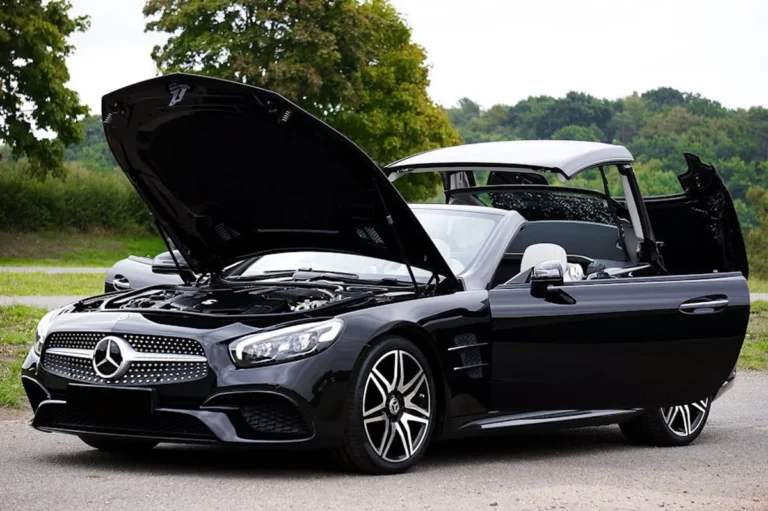

The Porsche 996 Turbo represents a distinct proposition within the high-performance sports car market: a turbocharged Mezger engine, all-wheel drive, and a blend of daily usability with genuine supercar pace. For buyers considering this model, understanding its specific attributes, potential ownership costs, and critical pre-purchase inspection points is essential. This guide focuses on equipping prospective owners with the knowledge to make an informed acquisition, distinguishing the 996 Turbo from its naturally aspirated siblings and later generations.
Understanding the 996 Turbo's Core Appeal
Introduced in 2000, the 996 Turbo marked a significant technological leap for Porsche's flagship 911. It was the first water-cooled 911 Turbo, yet it retained the revered 'Mezger' engine, a direct descendant of the Le Mans-winning GT1 unit. This specific engine architecture, known for its robustness and tuning potential, differentiates it from the M96/M97 engines found in other 996 models.
Performance Metrics and Driving Dynamics
The 996 Turbo launched with a 3.6-liter twin-turbocharged flat-six producing 415 horsepower and 415 lb-ft of torque. This propelled the car from 0-60 mph in approximately 4.2 seconds (manual) and achieved a top speed of 189 mph. The X50 Powerkit, available from 2002, boosted output to 444 hp and 457 lb-ft, reducing the 0-60 mph sprint to around 3.8 seconds. Its standard all-wheel-drive system provides exceptional traction and stability, particularly in adverse conditions, making it a more forgiving high-performance car than many rear-wheel-drive rivals. The car's hydraulic power steering offers precise feedback, a characteristic often cited as superior to later electric systems.
Design Evolution and Practicality
While sharing the controversial 'fried egg' headlights with other 996 models, the Turbo features distinct styling cues: wider rear fenders with air intakes, a unique front bumper with larger openings, and a fixed rear wing that deploys an additional element at speed. These elements are not merely cosmetic; they are functional, aiding cooling and aerodynamics. Inside, the 996 Turbo offers a more refined cabin than its predecessors, with improved ergonomics and materials. Practicality is a strong suit, with a usable front trunk (frunk) and rear seats suitable for children or additional luggage, making it a viable grand tourer.
Key Considerations for Prospective Owners
Ownership of a 996 Turbo involves specific maintenance and inspection points due to its age and performance capabilities.
Engine Durability and Common Issues
The Mezger engine is widely regarded as one of Porsche's most durable units. However, specific areas require attention:
- Coolant Pipe Fittings: The plastic coolant pipes can degrade and separate from their housings, leading to leaks. Many owners address this by pinning or welding the pipes, a preventative measure that adds reliability.
- Ignition Coils: These are known to fail over time, especially with heat cycling. Symptoms include misfires or rough idling.
- Diverter Valves: Original plastic diverter valves can crack, leading to boost leaks. Upgraded metal units are a common and recommended replacement.
- Oil Leaks: While generally robust, check for leaks around the cam covers or RMS (rear main seal), though the latter is less common than in M96 engines.
Regular oil changes with appropriate synthetic oil (e.g., Mobil 1 0W-40 or 5W-50) are crucial for engine longevity.
Transmission Options: Manual vs. Tiptronic S
The 996 Turbo was available with a 6-speed manual transmission or a 5-speed Tiptronic S automatic. The manual offers a more engaging driving experience and typically commands a premium in the used market. The Tiptronic S, while not as quick-shifting as modern dual-clutch units, is robust and provides a relaxed driving experience, particularly in traffic. Its torque converter lock-up allows for efficient cruising. The choice largely depends on driving preference and intended use.
Maintenance Regimen and Cost Expectations
While the Mezger engine is robust, maintenance costs for a high-performance Porsche are higher than for a standard car. Expect annual service costs to range from $1,000 to $2,500, depending on what needs addressing. Major services, including spark plug replacement, belt changes, and fluid flushes, occur at specific mileage intervals and can be more substantial. Tires, brakes, and suspension components are performance-oriented and priced accordingly. Factor in potential repairs for common issues like coolant pipes if not already addressed by a previous owner.
Navigating the Pre-Purchase Inspection (PPI)
A comprehensive Pre-Purchase Inspection by a reputable Porsche specialist is non-negotiable for any 996 Turbo. This goes beyond a basic mechanical check and should include:
- Borescope Inspection: Crucial for checking cylinder walls for scoring, although less common in Mezger engines, it's still a worthwhile check.
- Over-rev Report: A diagnostic scan can reveal engine over-revs, indicating potential abuse.
- Boost Leak Test: Essential to identify any leaks in the turbo system.
- Coolant System Pressure Test: To detect any subtle leaks.
- Suspension and Bushing Check: Look for worn components, especially control arm bushings.
- Brake System Assessment: Check rotor thickness, pad wear, and fluid condition.
- Body Panel Alignment and Paint Meter Reading: To identify accident damage or resprays.
- Review of Service Records: Verifies consistent maintenance and addressed common issues.
Pro Tip: Prioritize cars with extensive service records from recognized Porsche specialists. A history of preventative maintenance, especially regarding coolant pipe upgrades, significantly reduces future ownership risk and costs. Insist on a cold start for the PPI; this can reveal issues like smoke or unusual noises that might disappear once the engine warms up.
Market Value and Future Appreciation
The 996 Turbo's market value has shown appreciation in recent years, driven by its Mezger engine, performance capabilities, and relative rarity compared to other 996 models. Factors influencing value include mileage, condition, service history, and options (e.g., X50 Powerkit, ceramic brakes, specific interior trims). Manual transmission cars generally command a higher price. While not a guaranteed investment, well-maintained examples are likely to hold their value, and potentially appreciate further, especially those with desirable specifications.
Maximizing Your 996 Turbo Ownership Experience
Owning a Porsche 996 Turbo offers a rewarding experience, balancing thrilling performance with everyday usability. To maximize this, consider joining an owners' club for shared knowledge and events. Familiarize yourself with the car's specific characteristics, such as the initial turbo lag followed by a strong surge of power. Invest in high-quality tires, as they profoundly impact the car's handling and safety. Regular detailing and proper storage will help preserve its condition and value. Embrace the car's dual nature: capable of comfortable long-distance touring one day, and exhilarating backroad blasts the next.
Frequently Asked Questions About the 996 Turbo
Is the Porsche 996 Turbo reliable?
Yes, the 996 Turbo, particularly its Mezger engine, is known for its robustness and reliability, often considered one of Porsche's most durable engines when properly maintained. Common issues like coolant pipe fittings are well-documented and often addressed preventatively by informed owners.
What is the difference between a 996 and a 996 Turbo?
The 996 Turbo features a twin-turbocharged 3.6-liter Mezger engine (derived from the GT1 race car), all-wheel drive, wider bodywork with unique air intakes, and distinct front and rear bumpers. Standard 996 models use naturally aspirated M96/M97 engines, typically with rear-wheel drive, and have different body styling.
Are 996 Turbos expensive to maintain?
Maintenance costs for a 996 Turbo are higher than for a standard vehicle due to its performance nature and specialized parts. Annual services can range from $1,000 to $2,500, with larger interval services or unexpected repairs adding to the cost. Investing in preventative maintenance helps manage long-term expenses.
Does the 996 Turbo have IMS bearing issues?
No, the Porsche 996 Turbo uses the Mezger engine, which does not have the Intermediate Shaft (IMS) bearing design flaw found in the M96/M97 engines used in naturally aspirated 996 Carrera models. This is a significant advantage for the Turbo model's long-term reliability.