Acquiring a used Nissan Silvia, a vehicle celebrated for its motorsport heritage and tuning potential, requires a methodical approach. These cars are not merely transportation; they are enthusiast machines, meaning their condition often reflects years of specific use, modification, and maintenance—or neglect. This guide outlines the critical considerations for prospective buyers navigating the complexities of the used Silvia market, focusing on identifying value, mitigating risks, and understanding the nuances of each generation.
Understanding the Silvia's Enduring Appeal
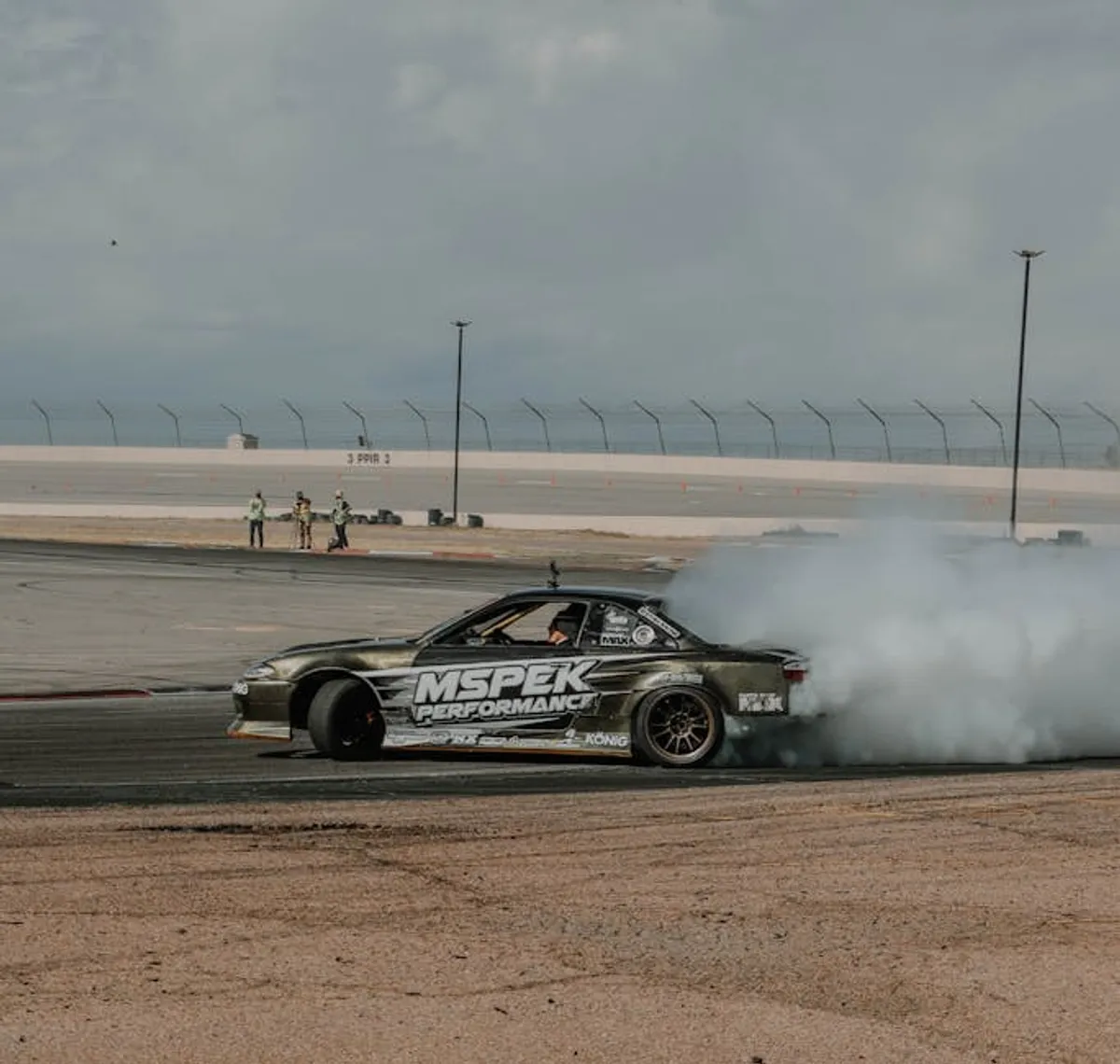
The Nissan Silvia series, particularly the S13, S14, and S15 chassis codes, has cultivated a significant following due to its balanced rear-wheel-drive platform, robust engine options, and extensive aftermarket support. Its prominence in drift culture and grassroots motorsport has cemented its status as an icon. This popularity, however, translates into a market where well-preserved, unmolested examples are rare and command premium prices, while heavily modified or poorly maintained units are common. Buyers must discern between a quality build and a problematic project.
Key Generations and Their Distinctions
Each Silvia generation offers a distinct character and set of considerations for the used market. Understanding these differences is fundamental to making an informed purchase.
Nissan Silvia S13 (1988-1994)
- Engines: Predominantly SR20DET (turbocharged 2.0L) or SR20DE (naturally aspirated 2.0L) in JDM markets; the USDM 240SX featured the KA24DE (2.4L). The SR20DET is highly sought after for its tuning potential.
- Chassis: Known for its lightweight and responsive handling. Early models featured pop-up headlights.
- Common Issues: Prone to rust in sills, wheel arches, and strut towers. Interior plastics can be brittle and prone to cracking. Suspension components are often worn due to age and aggressive driving.
- Market Position: Often the most affordable entry point, but also the most likely to have been heavily modified or abused. Finding a clean, stock S13 is challenging.
Nissan Silvia S14 (1993-1998)
- Engines: Primarily SR20DET and SR20DE. The S14's SR20DET received minor revisions for improved reliability and power.
- Chassis: Wider and slightly heavier than the S13, offering a more stable and refined ride. Features fixed headlights.
- Common Issues: Rust can still be an issue, particularly in the rear quarter panels and subframe mounting points. Electrical gremlins are not uncommon with age. Turbochargers on SR20DET models should be inspected for shaft play and oil leaks.
- Market Position: Offers a balance between the raw feel of the S13 and the modernity of the S15. Prices are generally higher than S13s in comparable condition.
Nissan Silvia S15 (1999-2002)
- Engines: Exclusively SR20DET (Spec-R) or SR20DE (Spec-S). The Spec-R SR20DET features a larger turbo, 6-speed manual transmission, and helical limited-slip differential.
- Chassis: The most modern and refined Silvia chassis, with improved rigidity and handling.
- Common Issues: While generally more robust, rust can still appear in typical areas. The 6-speed manual transmission in Spec-R models can suffer from synchro wear, especially in third gear, if not properly maintained or abused.
- Market Position: The most expensive and desirable generation due to its rarity, performance, and modern aesthetics. Clean examples are highly valued.
Critical Inspection Points for Used Silvias
A thorough pre-purchase inspection is non-negotiable. Focus on these areas:
Chassis and Body Integrity
Inspect for rust, particularly in the rear subframe mounting points, wheel wells, rocker panels, and under the battery tray. Check for signs of accident repair, such as inconsistent panel gaps, overspray, or mismatched paint. Look for creases or damage to the frame rails, which indicate significant impact.
Engine and Drivetrain Health
For SR20DET engines, listen for VTC (Variable Timing Control) rattle, especially on startup. Check for excessive smoke from the exhaust (blue indicates oil, white indicates coolant). Inspect for oil leaks around the turbocharger, valve cover, and oil pan. Manual transmissions should shift smoothly without grinding; test the clutch for slippage or a high engagement point. Check differential for leaks and unusual noises.
Suspension and Steering
Examine bushings, ball joints, and tie rod ends for wear or play. Listen for clunks or squeaks during a test drive. Many Silvias have aftermarket suspension; assess the quality of components and installation. Ensure the steering feels tight and responsive, without excessive play.
Interior and Electrics
Check for excessive wear on seats, steering wheel, and pedals. Test all electrical components: windows, mirrors, lights, air conditioning, and stereo. Pay attention to any aftermarket wiring, which can indicate poorly installed electronics or alarms.
Warning: The prevalence of modified Silvias means that "stock" is often a relative term. Assume any used Silvia has been modified at some point. Verify the quality of all modifications, as poorly executed aftermarket parts can introduce significant reliability and safety issues. A pre-purchase inspection by a specialist familiar with these platforms is crucial. A pre-purchase inspection by a specialist familiar with these platforms is crucial for properly inspecting a used car.
Navigating Import Considerations
Many available Silvias are Japanese Domestic Market (JDM) imports. While these often come with the desirable SR20DET engine, they require specific compliance and registration processes depending on your region. Research local import laws, emissions regulations, and title requirements before committing to an imported vehicle. US buyers, for instance, often encounter the "25-year rule" for legal importation of JDM vehicles.
Budgeting Beyond the Purchase Price
The initial purchase price is only one component. Factor in:
- Maintenance: Parts for older, imported vehicles can be more expensive and sometimes harder to source than for common domestic models. Specialist mechanics may charge higher labor rates.
- Insurance: Due to their performance-oriented nature and high theft rates, insurance premiums for Silvias can be substantial, especially for younger drivers.
- Modifications: Even if purchasing a modified car, you may need to budget for repairs or upgrades to existing aftermarket parts.
Securing Your Nissan Silvia
Begin your search on dedicated enthusiast forums, reputable import dealers, and auction sites specializing in JDM vehicles. Be prepared to travel to inspect promising examples. Always arrange a pre-purchase inspection with an independent mechanic who has experience with JDM sports cars. This neutral assessment can uncover hidden issues and provide leverage for price negotiation.
Final Steps to Silvia Ownership
Purchasing a Nissan Silvia is an investment in a driving experience. Prioritize cars with comprehensive service records and clear ownership history. A well-maintained, minimally modified example will offer the best long-term reliability and enjoyment. Be patient; finding the right Silvia often takes time and diligent searching. Verifying the vehicle identification number (VIN) against all documentation and ensuring a clear title are non-negotiable steps before finalizing any transaction.
Frequently Asked Questions
What are the most significant differences between a JDM Silvia and a USDM 240SX?
The primary difference lies in the engine: JDM Silvias typically feature the turbocharged SR20DET, while USDM 240SX models came with the naturally aspirated KA24DE. Chassis codes (S13, S14) are similar, but JDM versions often have different trim levels and features.
Is a heavily modified Silvia always a bad purchase?
Not necessarily, but it carries higher risk. Poorly executed modifications can lead to reliability issues and safety concerns. A well-documented history of professional modifications, coupled with a thorough inspection by a specialist, can indicate a quality build. However, the resale value of a heavily modified car is often lower than a stock or lightly modified equivalent.
What are the most common rust areas to check on a Silvia?
Common rust spots include the rear wheel arches, rocker panels (sills), strut towers (especially front), under the battery tray, and the boot floor around the spare tire well. Thoroughly inspect these areas, as structural rust can be expensive to repair.
What should I expect for maintenance costs on a used Silvia?
Maintenance costs can be higher than for a typical daily driver. Parts for the SR20DET engine or specific JDM components may need to be imported, increasing both cost and wait times. Expect to pay for specialized labor if you do not perform your own maintenance. Insurance premiums are also typically higher due to the vehicle's performance nature and theft risk.