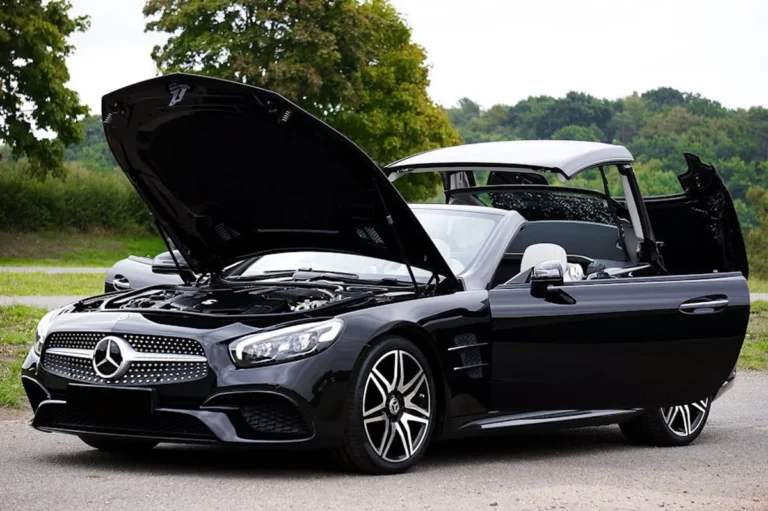

The concept of "most beautiful cars ever" extends beyond subjective preference; it delves into fundamental principles of industrial design, engineering innovation, and cultural impact. For brands, a visually striking vehicle translates into enhanced desirability, stronger market positioning, and often, enduring resale value. Understanding what makes certain automotive designs timeless offers insights into brand building and the psychology of consumer appeal. This discussion focuses on the design hallmarks that elevate vehicles from mere transportation to iconic status, examining how form, proportion, and detail converge to create lasting aesthetic value.
The Golden Age of Automotive Sculpture: Post-War to the 1960s
The mid-20th century marked a pivotal era where automotive design embraced aerodynamics and flowing lines, moving beyond purely functional forms. This period produced some of the most universally acclaimed designs, characterized by elegant proportions and a sense of motion even at a standstill.
Jaguar E-Type (1961-1975)
Enzo Ferrari famously called the Jaguar E-Type "the most beautiful car ever made." Its enduring appeal stems from a combination of factors:
- Long Hood, Short Deck Proportions: This classic sports car silhouette emphasizes power and agility, visually pushing the engine forward and the cabin rearward.
- Elliptical Grille and Covered Headlights: These elements create a distinctive, almost animalistic face, contributing to its unique identity.
- Compound Curves: The bodywork flows seamlessly, with complex curves that catch light in a dynamic way, avoiding harsh angles.
- Exposed Wire Wheels: A detail that speaks to its racing heritage and adds a touch of classic elegance.
The E-Type's design was a masterclass in balancing aggression with grace, making it an instant icon that continues to influence sports car aesthetics.
Mercedes-Benz 300 SL Gullwing (1954-1957)
The 300 SL's beauty is intertwined with its engineering necessity. The distinctive gullwing doors, while visually striking, were a direct result of its innovative tubular space frame chassis, which had high sills. This fusion of form and function created a unique and instantly recognizable profile.
Key design attributes:
- Gullwing Doors: The signature feature, offering dramatic visual appeal and practical access over the wide chassis.
- Sleek, Aerodynamic Body: Designed for speed, its smooth contours and low profile reduced drag, giving it a purposeful, athletic stance.
- Chrome Accents: Minimal yet impactful, the chrome trim highlights the car's lines without overwhelming them.
The 300 SL demonstrated that innovative engineering could directly contribute to groundbreaking aesthetics, setting a benchmark for performance and style.
Aggression and Precision: The 1960s and 1970s Supercars
As performance capabilities increased, automotive design evolved to reflect a more aggressive, yet still meticulously crafted, aesthetic. This era saw the birth of the supercar, where visual drama became as important as raw power.
Lamborghini Miura (1966-1973)
The Miura redefined the supercar landscape with its mid-engine layout and breathtaking design by Marcello Gandini at Bertone. It was a radical departure from conventional sports cars.
Noteworthy design elements:
- Low-Slung Silhouette: Its incredibly low height emphasized speed and a ground-hugging stance.
- "Eyelash" Headlights: The slatted headlight covers are a unique and instantly recognizable detail.
- Rear Louvers: A functional design element for engine cooling that also added visual texture and aggression to the rear.
- Broad Shoulders: The wide rear fenders conveyed immense power and stability.
The Miura’s design was a bold statement, prioritizing visual impact and performance, which cemented Lamborghini's identity as a purveyor of exotic, uncompromising machines.
Pro Tip: Enduring automotive beauty often stems from designs that are both innovative and harmonious. While trends shift, cars that achieve classic status typically feature balanced proportions, distinctive yet integrated details, and a clear design intent that aligns with the vehicle's purpose. For brands, this means investing in design that is not just current, but also possesses the potential for timeless appeal to maintain long-term desirability and value.
Modern Interpretations and Timeless Evolution
Contemporary design continues to draw inspiration from these foundational principles while integrating new technologies and materials. Cars that achieve lasting beauty in modern eras often do so by refining established forms or by introducing entirely new, yet cohesive, design languages.
Porsche 911 (Various Generations, e.g., 993)
The Porsche 911 is a testament to evolutionary design. While each generation introduces updates, the core silhouette and design philosophy remain consistent, contributing to its iconic status. The 993 generation (1995-1998) is often cited as a pinnacle of air-cooled 911 design, blending classic lines with modern refinement.
Design characteristics:
- Iconic Profile: The sloping roofline, prominent rear fenders, and distinctive round headlights are instantly recognizable.
- Muscular yet Compact Form: It conveys power without excessive bulk, maintaining a nimble appearance.
- Integrated Aerodynamics: Later generations subtly incorporate aerodynamic elements without disrupting the classic lines.
The 911's beauty lies in its consistent refinement of a successful formula, proving that evolution, when executed with precision, can lead to enduring aesthetic appeal and strong brand recognition.
Aston Martin DB5 (1963-1965)
The Aston Martin DB5, immortalized by its cinematic appearances, embodies sophisticated British elegance. Its design by Carrozzeria Touring Superleggera is characterized by understated luxury and powerful grace.
Defining design features:
- Elegant Fastback Profile: A smooth, continuous curve from the roof to the tail, imparting a sense of fluidity and speed.
- Distinctive Grille: The signature Aston Martin grille, flanked by twin headlights, gives it a regal and confident front fascia.
- Understated Chrome Work: Chrome is used sparingly to highlight key lines and details, rather than overwhelm the design.
The DB5’s beauty is in its balance and refinement, projecting a timeless image of high-performance luxury without resorting to overt aggression.
Cultivating Lasting Automotive Design Value
The cars recognized for their exceptional beauty share common threads: a strong, coherent design language, impeccable proportions, and a meticulous attention to detail. These elements combine to create vehicles that transcend their functional purpose, becoming objects of desire and lasting cultural significance. For automotive brands and enthusiasts alike, understanding these principles is crucial for appreciating not just the aesthetics, but also the deep engineering and artistic vision embedded in truly beautiful cars. Focusing on timeless principles rather than fleeting trends ensures a design has the potential to become a future classic, retaining both aesthetic and commercial value over decades.
Frequently Asked Questions
What makes a car design "beautiful"?
Automotive beauty is often defined by harmonious proportions, balanced lines, innovative yet functional details, and a design language that evokes emotion or purpose. It's a blend of artistic vision, engineering integration, and cultural resonance.
Are modern cars as beautiful as classic cars?
Beauty is subjective, but modern cars face different design constraints (safety regulations, aerodynamics for efficiency, technological integration) that can lead to different aesthetic outcomes. While some modern designs achieve iconic status, many classic cars are celebrated for their purity of form and less constrained artistic expression.
How does car design influence market value?
Exceptional design significantly enhances a car's desirability, contributing to stronger initial sales and, for truly iconic models, increased long-term collector value. A timeless design can elevate a vehicle beyond its mechanical components, making it a coveted asset.
Who are some influential car designers?
Key figures include Giorgetto Giugiaro (Italdesign), Marcello Gandini (Bertone), Pininfarina (various designers), and Malcolm Sayer (Jaguar). These designers and design houses have shaped the aesthetic direction of countless iconic vehicles.