
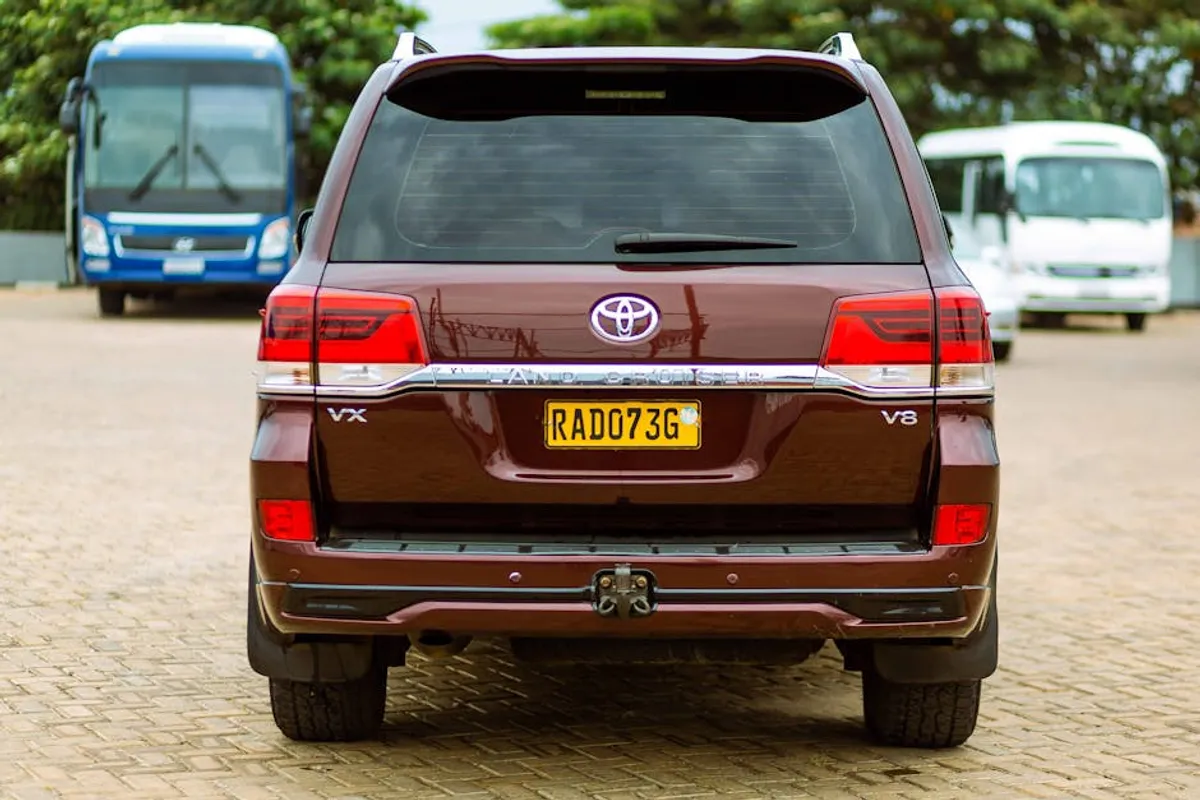
Acquiring a Land Cruiser represents a significant investment, often driven by its reputation for durability, off-road capability, and exceptional resale value. This guide provides a structured approach to navigating the purchase process, focusing on critical considerations that impact long-term ownership and value retention. Understanding the nuances between generations, key inspection points, and ongoing maintenance requirements is essential for making an informed decision that aligns with specific use cases and budget parameters.
Understanding Land Cruiser Generations
The Land Cruiser lineage spans decades, with each major series offering distinct characteristics. Recognizing these differences is fundamental to identifying the model best suited for your needs.
The 200 Series (2008-2021)
The 200 Series represents the pinnacle of modern Land Cruiser luxury and capability. Equipped with a robust V8 engine, advanced off-road technologies like Kinetic Dynamic Suspension System (KDSS) and Multi-Terrain Select, and a refined interior, it blends formidable performance with comfort. Buyers should expect higher purchase prices and increased fuel consumption due to its size and engine. Maintenance costs for advanced electronic systems can also be higher than older generations.
Best for: Buyers seeking a modern, comfortable, and highly capable SUV for both daily driving and serious off-road or overland travel, with a strong emphasis on reliability and luxury features.
The 100 Series (1998-2007)
The 100 Series marked a transition, introducing the V8 engine and independent front suspension (IFS) on most models (the 105 Series, a solid-axle variant, was available in some markets). This generation offers a blend of classic Land Cruiser ruggedness with improved on-road manners. While still highly capable off-road, the IFS can be less durable for extreme articulation compared to solid-axle designs. Common issues to inspect include rust around the rear quarter panels, lower control arm bushings, and potential KDSS leaks on later models.
Best for: Those desiring a balance of modern comfort and traditional Land Cruiser resilience, often at a more accessible price point than the 200 Series, suitable for moderate off-roading and daily use.
The 80 Series (1990-1997)
Often considered the last "true" Land Cruiser by purists, the 80 Series features solid front and rear axles, making it exceptionally durable and highly modifiable for off-road use. Early models came with inline-six engines (3FE, 1FZ-FE), known for their longevity. Later models introduced factory front and rear differential lockers, significantly enhancing off-road performance. Rust, particularly in the frame and body mounts, and wear in steering components are common age-related concerns. Parts availability for specific trim pieces or older engine variants may require specialist sourcing.
Best for: Off-road enthusiasts, overland builders, and collectors prioritizing mechanical simplicity, extreme durability, and a highly capable platform, willing to invest in restoration or ongoing maintenance for an older vehicle.
The 70 Series (1984-Present, Select Markets)
The 70 Series is the utilitarian workhorse of the Land Cruiser family, still produced and sold new in various global markets. It prioritizes ruggedness, simplicity, and payload capacity over comfort or advanced features. Available in multiple body styles (short wheelbase, long wheelbase, troop carrier, pickup), it typically features robust diesel engines. Its primary drawback for many buyers in markets where it's not sold new is limited availability and the need for importation, alongside a much more spartan interior and ride quality compared to other generations.
Best for: Specialized applications requiring extreme reliability and simplicity in harsh environments, or for enthusiasts importing for a specific, rugged overland build where comfort is secondary.
Key Inspection Points Before Purchase
A thorough inspection is non-negotiable for any Land Cruiser purchase, especially for older models or those with high mileage.
Frame and Undercarriage Integrity
Inspect the frame rails, crossmembers, and body mounts for rust, especially in areas where road salt is used. Pay close attention to welded repairs or signs of accident damage that could compromise structural integrity. Check for bent suspension components, skid plate damage, or differential leaks, which indicate hard off-road use.
Powertrain and Drivetrain Assessment
Examine the engine for oil leaks, particularly around valve covers, oil pan, and the rear main seal. Listen for unusual noises during cold start and acceleration. Test the transmission for smooth, consistent shifts without flares or harshness. Engage four-wheel drive (4WD) in both high and low range, ensuring all systems (transfer case, differential locks if equipped) engage and disengage correctly. Check for play in the driveshafts and universal joints.
Pro Tip: Always arrange for a pre-purchase inspection (PPI) by an independent mechanic specializing in Toyota 4x4s or Land Cruisers. This investment can uncover hidden issues, saving significant repair costs and providing leverage for price negotiation.
Interior and Electrical Systems
Verify the functionality of all electrical components: windows, locks, air conditioning, heater, infotainment system, and dashboard warning lights. Check for excessive wear on seats, carpets, and steering wheel, which can indicate mileage discrepancies or neglect. Ensure all safety features, such as airbags and seatbelt pretensioners, appear intact and functional.
Maintenance and Ownership Considerations
Land Cruisers are renowned for their longevity, but regular, specific maintenance is crucial to achieving their full lifespan.
Common Maintenance Items
- Timing Belt Replacement: Essential for V8 engines (100 and 200 Series) every 90,000 miles. Neglecting this can lead to catastrophic engine failure.
- Fluid Changes: Regular intervals for engine oil, transmission fluid, transfer case fluid, and differential fluids are critical, especially for vehicles used off-road or for towing.
- Suspension Components: Bushings, shocks, and springs wear over time, affecting ride quality and handling. KDSS systems (200 Series) require specific fluid checks and potential component replacement.
- Rust Prevention: For vehicles in corrosive environments, regular undercarriage cleaning and rust-proofing treatments extend frame and body life.
Parts Availability and Cost
Toyota's extensive global network generally ensures good parts availability for most Land Cruiser generations. However, specific components for older 80 Series or 70 Series models might require sourcing from specialist suppliers or international markets, potentially increasing lead times and costs. Aftermarket support is robust, offering numerous options for upgrades and replacements.
Resale Value and Investment
Land Cruisers consistently demonstrate some of the highest resale values in the automotive market. Their reputation for reliability and durability creates strong demand, particularly for well-maintained examples. Certain models, like low-mileage 80 Series with factory lockers or well-preserved 200 Series, can appreciate in value, making them not just a vehicle but a tangible asset.
Practical Steps for Your Purchase
Approaching your Land Cruiser acquisition with a clear strategy will streamline the process and mitigate risks.
Begin by defining your budget, including not just the purchase price but also anticipated maintenance, insurance, and potential upgrade costs. Next, identify your primary use case: Is it a daily driver, a dedicated off-road rig, or an overland expedition vehicle? This will help prioritize specific generations and features. Once a target model is identified, research common issues specific to that generation. Finally, always arrange for a professional pre-purchase inspection and be prepared to negotiate based on its findings.
Frequently Asked Questions
Which Land Cruiser generation is best for off-roading?
The 80 Series is widely considered one of the best for serious off-roading due to its solid axles and robust design. The 70 Series also excels in extreme conditions, while the 200 Series offers advanced electronic aids for capable performance.
What is the typical lifespan of a Land Cruiser engine?
With proper maintenance, Land Cruiser engines (especially the 1FZ-FE, 2UZ-FE, and 1UR-FE/3UR-FE V8s) are known to regularly exceed 250,000 to 300,000 miles, with many reaching well over 500,000 miles.
Are Land Cruisers expensive to maintain?
While routine maintenance costs are comparable to other large SUVs, specialized repairs or replacements for advanced components (e.g., KDSS on the 200 Series) can be higher. However, their infrequent need for major repairs often offsets these costs over the long term.
How does a Land Cruiser compare to other large SUVs in terms of resale?
Land Cruisers typically retain their value significantly better than most other large SUVs due to their legendary reliability, global demand, and reputation for longevity. This makes them a strong investment.