
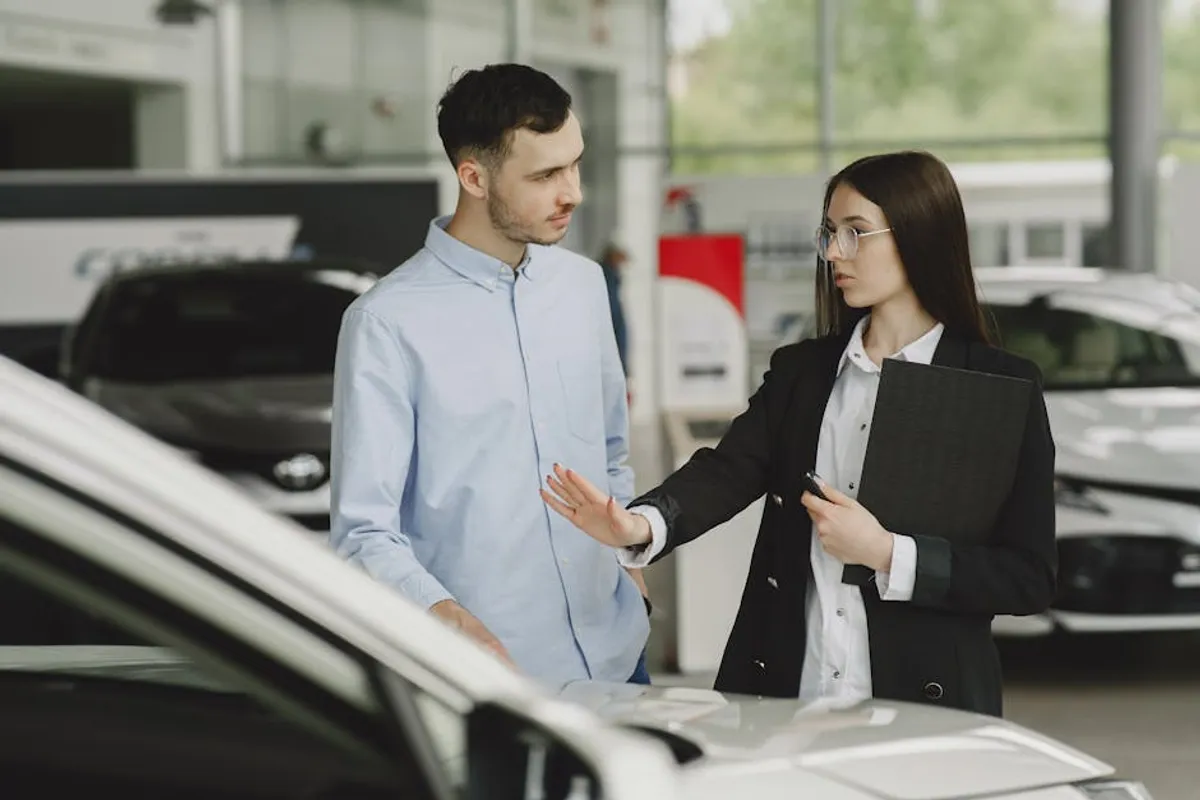
Selling a car online provides access to a vast pool of potential buyers, often resulting in a quicker sale and a better price than traditional methods. However, this convenience introduces specific risks, from payment fraud to personal safety concerns during interactions. Navigating these challenges requires a structured approach to protect both your financial interests and your well-being. Understanding the secure practices for listing, communicating, meeting, and transacting is essential to a successful and safe online car sale.
Preparing Your Vehicle and Documentation
A well-prepared car and complete documentation instill buyer confidence and streamline the sales process, while also preventing potential disputes or delays.
Gathering Essential Paperwork
Before listing, collect all necessary documents. This includes the vehicle title, which must be clear of liens and accurately reflect your ownership. Have recent service records available; these demonstrate consistent maintenance and can justify your asking price. Any warranty information, if transferable, should also be on hand. An accurate vehicle history report, often available through services that check VINs, provides transparency and can preempt buyer questions about accidents or past ownership.
Detailing and Minor Repairs
A clean car photographs better and suggests careful ownership. Thoroughly clean both the interior and exterior. Address minor cosmetic issues like small dents, scratches, or worn interior components if the cost of repair is significantly less than the value added to the sale price. Ensure all lights, tires, and basic functions are in working order. This minimizes negotiation points for buyers and reduces the likelihood of post-sale complaints.
High-Quality Photography
Visuals are critical for online listings. Take clear, well-lit photos from multiple angles, showcasing the exterior, interior, engine bay, and trunk. Include images of the odometer reading and any unique features. Use a clean background and good natural light. Avoid blurry or dark photos, as these deter serious buyers. High-resolution images allow buyers to inspect the vehicle remotely, reducing unnecessary inquiries.
Selecting the Right Sales Platform
The choice of platform influences your reach, the type of buyer you attract, and the safety features available.
Online Marketplaces and Classifieds
Platforms like Craigslist or Facebook Marketplace offer broad local reach and are often free or low-cost to list. They are effective for direct peer-to-peer sales. However, these platforms typically offer minimal seller protections, requiring you to be vigilant against scams and manage all communication and transactions independently. They are best for sellers comfortable with direct negotiation and who prioritize cost-effectiveness.
Dedicated Automotive Sales Sites
Specialized sites, such as Autotrader or CarGurus, provide more robust features, including verified listings, buyer-seller messaging systems, and sometimes escrow services. These platforms often charge listing fees but attract more serious, pre-qualified buyers. Their built-in tools can help filter out fraudulent inquiries and provide a more structured sales environment.
Best for: Sellers seeking a wider, more targeted audience with some platform-provided safeguards.
Instant Cash Offer Services
Companies like Carvana or Vroom offer immediate cash quotes for your vehicle, often with pick-up services. This method prioritizes speed and convenience, eliminating the need for private showings, negotiations, or direct payment handling. While the offer might be lower than a private sale, the process is typically secure and transparent, with payment issued directly by the company.
Best for: Sellers prioritizing speed, convenience, and guaranteed payment over maximizing the sale price.
Crafting an Effective and Honest Listing
Your listing is your first point of contact. Accuracy and transparency are paramount for attracting legitimate buyers and avoiding issues.
Detailed and Accurate Description
Provide a comprehensive description of the vehicle, including make, model, year, trim, mileage, engine size, transmission type, and key features. List any modifications, upgrades, or known issues. Honesty about the vehicle's condition, including any minor flaws, builds trust and manages buyer expectations, preventing wasted time on both sides.
Transparent Vehicle History
Mention if the car has been in accidents (and if repaired), its ownership history, and any significant repairs. If you have a vehicle history report, indicate its availability. Transparency minimizes surprises during inspection and reduces the likelihood of a buyer backing out due to undisclosed information.
Strategic Pricing
Research comparable vehicles on various platforms to set a competitive price. Consider the car's condition, mileage, features, and local market demand. Price slightly above your minimum acceptable offer to allow for negotiation, but avoid overpricing, which can deter potential buyers. Clearly state if the price is firm or negotiable.
Safe Buyer Interactions and Test Drives
Personal safety and secure communication are critical when engaging with potential buyers.
Secure Communication Practices
Initial communication should occur through the platform's messaging system or a temporary email address. Avoid sharing personal phone numbers or home addresses until you have established a buyer's seriousness. Be wary of buyers who immediately ask for personal financial information or offer to pay more than the asking price without seeing the car.
Meeting for Test Drives
Always meet in a public, well-lit location during daylight hours. Consider a busy parking lot, police station, or a bank. Never meet at your home. Bring a friend or family member if possible. Before the test drive, ask to see the buyer's valid driver's license and ensure they have adequate insurance coverage. Accompany the buyer on the test drive, or if not possible, take a photo of their license and share your location with a trusted contact. Do not allow them to drive off alone.
Pro Tip: When meeting a buyer, inform a friend or family member of the time, location, and the buyer's contact details. Share your live location with them if your phone allows. This adds an extra layer of security and accountability.
Independent Vehicle Inspections
Legitimate buyers may request a pre-purchase inspection by their mechanic. This is a reasonable request. Agree to an inspection at a neutral, reputable mechanic's shop, ideally one you are familiar with or that is mutually agreed upon. Do not allow the buyer to take the car to a mechanic without you. If the buyer finds issues, be prepared to negotiate or explain prior repairs.
Handling Payment Securely
Payment fraud is a significant risk in online sales. Prioritize secure, verifiable payment methods.
Acceptable Payment Methods
- Cash: The most straightforward and secure method for smaller transactions. For larger sums, meet at your bank to verify authenticity and deposit immediately.
- Cashier's Check/Certified Check: These appear secure but can be fraudulent. Insist on meeting at the issuing bank during business hours to verify the check's authenticity with a teller before releasing the vehicle or title. Do not accept checks that are for more than the agreed-upon price.
- Wire Transfer: A secure option if initiated by the buyer's bank directly to your bank account. Verify funds have cleared and are irreversible before completing the sale. This can take 24-48 hours.
- Escrow Services: For higher-value transactions, a reputable third-party escrow service can hold funds until both parties fulfill their obligations. Research any service thoroughly to ensure its legitimacy and security.
Avoiding Payment Scams
Never accept personal checks, money orders, or payments via apps like PayPal for large sums, as these can be reversed or are easily faked. Be wary of buyers who want to pay more than the asking price, especially if they ask you to refund the difference. This is a common overpayment scam involving fraudulent checks. Do not release the car or title until you have verified that the funds are genuinely in your account and are irreversible.
Finalizing the Sale and Post-Sale Steps
Proper paperwork and notification are crucial for legal protection and peace of mind.
Completing the Paperwork
Prepare a bill of sale, including the date, buyer and seller names and addresses, vehicle VIN, mileage, and sale price. Both parties should sign and receive a copy. Immediately sign over the title to the buyer, following your state's specific requirements for title transfer. Some states require notarization. Ensure all lien releases are properly documented if applicable.
Removing Personal Data
Before handing over the keys, delete any personal data from the car's infotainment system, GPS, or connected apps. This includes saved addresses, phone contacts, garage door codes, and linked accounts. Perform a factory reset if possible.
Notifying Authorities
Notify your state's Department of Motor Vehicles (DMV) or equivalent agency of the sale. This officially transfers ownership and absolves you of liability for any parking tickets, accidents, or other issues incurred by the new owner. Remove your license plates if your state requires it.
Frequently Asked Questions
What is the safest way to receive payment for a car sold online?
For smaller transactions, verified cash deposited at your bank is safest. For larger amounts, a wire transfer directly from the buyer's bank to yours, or a cashier's check verified in person at the issuing bank, are the most secure options once funds are confirmed irreversible.
Should I allow a buyer to take my car for an inspection alone?
No, it is strongly advised to accompany the buyer to any independent mechanic's inspection. If you cannot be present, arrange for a trusted third party to go with the vehicle. Never let the car leave your sight or possession with an unverified buyer.
What information should I avoid sharing with potential buyers initially?
Avoid sharing your home address, workplace address, or personal phone number until you have verified the buyer's seriousness and established a level of trust. Use the platform's messaging system or a temporary email for initial contact.
How do I protect myself from liability after selling my car?
Complete a bill of sale, properly transfer the vehicle title according to your state's regulations, and promptly notify your local Department of Motor Vehicles (DMV) of the sale. Removing your license plates and canceling your insurance are also critical steps.