
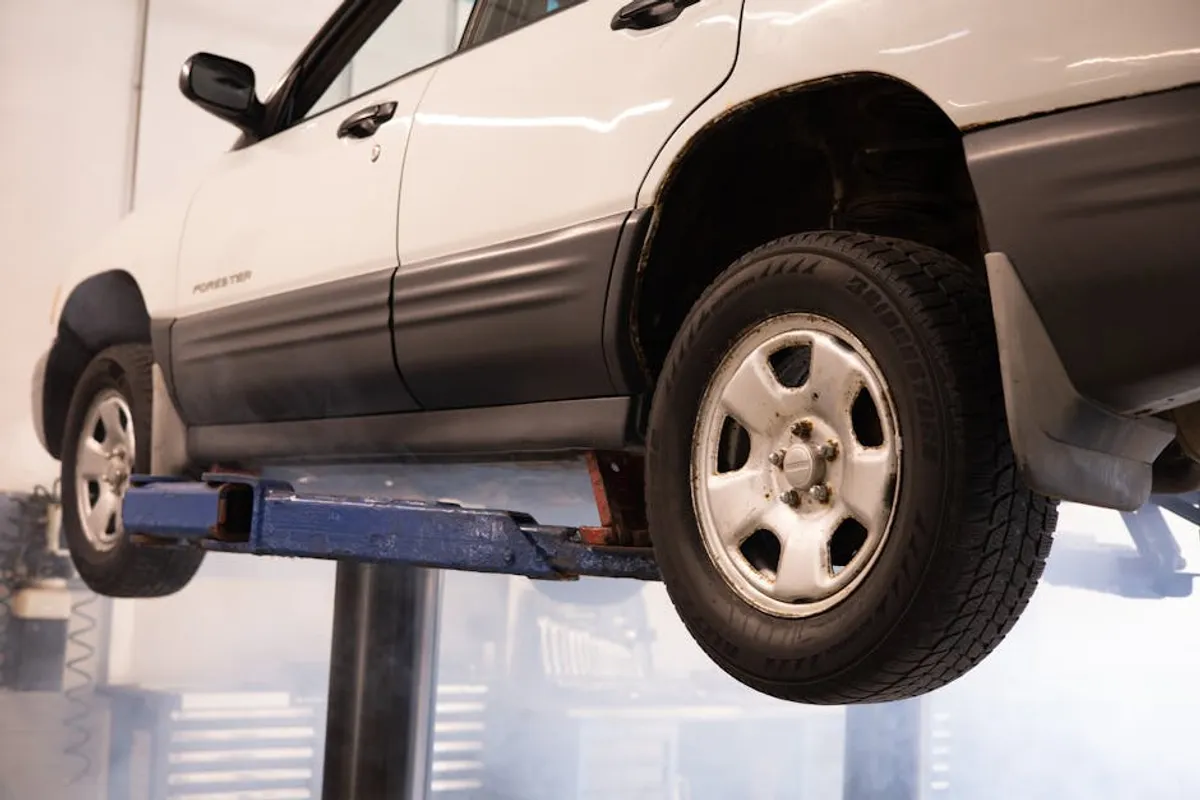
Maintaining proper tire condition is fundamental for vehicle safety, fuel efficiency, and extending the operational life of your tires. Neglecting regular checks can lead to unexpected blowouts, compromised handling, and increased running costs. Understanding how to assess your tires provides actionable insights into their health and helps you make timely decisions for repair or replacement, preventing more significant issues down the road.
Understanding Tire Wear Patterns
Tire wear patterns offer direct evidence of underlying issues, from improper inflation to alignment problems. Recognizing these patterns early allows for corrective action before extensive damage occurs.
Tread Depth Measurement
The tread depth of your tires directly impacts their ability to grip the road, especially in wet conditions. Reduced tread depth increases stopping distances and hydroplaning risk.
- Penny Test: Insert a penny into a tread groove with Lincoln's head upside down and facing you. If you can see the top of Lincoln's head, your tread depth is less than 2/32 inch, indicating it's time for replacement.
- Tread Wear Indicators: Most modern tires feature small bars molded into the tread grooves at 2/32 inch. When the tread wears down to be flush with these bars, the tire requires replacement.
- Dedicated Tread Depth Gauge: For precise measurements, a specialized gauge provides readings in 32nds of an inch. Measure at several points across the tire's circumference and width to identify uneven wear.
Uneven Wear Indicators
Uneven wear patterns are symptomatic of specific mechanical issues or improper inflation. Identifying the pattern helps diagnose the root cause:
- Center Wear: If the tread is significantly more worn in the center than on the shoulders, it typically indicates overinflation. Excess air pressure causes the tire to bulge, putting more pressure on the central tread.
- Shoulder Wear (both sides): Wear concentrated on both outer edges of the tread often points to underinflation. Insufficient air pressure causes the tire to sag, increasing contact with the road at the shoulders.
- Single Shoulder Wear: Excessive wear on only one shoulder suggests an alignment problem, such as incorrect camber or toe settings.
- Feathering: A pattern where the tread blocks are worn smooth on one side and sharp on the other indicates a toe alignment issue, causing tires to scrub sideways.
- Cupping or Scalloping: Irregular dips or scoops around the tire's circumference often signal worn or damaged suspension components, such as shocks or struts.
Inspecting for Damage
Visual inspection for physical damage is a critical step in assessing tire condition. Even minor damage can compromise structural integrity and lead to sudden failure.
Sidewall Integrity
The sidewall is a vulnerable area, crucial for structural support. Inspect for:
- Bulges or Blisters: These indicate internal damage where the tire's structural cords have broken, allowing air pressure to push the rubber outward. A bulge is a serious safety hazard requiring immediate tire replacement.
- Cracks: Small surface cracks (often called dry rot) can appear due to age, UV exposure, or chemical exposure. Deep or extensive cracking compromises the tire's integrity.
- Cuts or Gouges: Any cut deep enough to expose the internal cords or extending more than an inch in length requires professional assessment.
Punctures and Foreign Objects
Regularly check the tread and sidewalls for embedded objects:
- Nails, Screws, Glass: These foreign objects can cause slow leaks or rapid deflation. If found, do not remove them yourself if the tire is still holding air; a professional can assess repairability.
- Impact Damage: Look for signs of impact, such as scuffs or abrasions, especially near the rim. Impacts can cause internal damage not immediately visible.
Pro Tip: When inspecting for punctures, slowly roll the vehicle forward a few feet at a time to expose the entire tire surface. This ensures you don't miss any hidden damage or embedded objects.
Checking Tire Pressure
Correct tire pressure is paramount for safety, handling, and tire longevity. Under- or over-inflated tires wear unevenly, reduce fuel economy, and increase the risk of blowouts.
Locating Recommended Pressure
The correct tire pressure is not typically listed on the tire's sidewall (that is the maximum pressure). Instead, find the recommended cold inflation pressure (PSI) in one of these locations:
- Inside the driver's side door jamb.
- In the vehicle's owner's manual.
- Inside the glove compartment or fuel filler door.
Always check pressure when tires are "cold," meaning the vehicle has been parked for at least three hours or driven less than a mile at moderate speed. Driving generates heat, which increases internal tire pressure, leading to an inaccurate reading.
Using a Tire Pressure Gauge
A reliable tire pressure gauge is an inexpensive and essential tool:
- Remove the valve cap from the tire valve stem.
- Press the gauge firmly onto the valve stem until the hissing sound stops and the gauge provides a reading.
- Compare the reading to the recommended PSI. If it's too high, press the small pin on the gauge to release air until the correct pressure is reached. If it's too low, add air using an air compressor.
- Replace the valve cap.
Digital gauges offer precise readings, while stick gauges are durable and battery-free.
Tire Age and Replacement
Even if a tire has sufficient tread and no visible damage, its age can compromise its safety. Rubber compounds degrade over time, regardless of mileage.
Decoding the DOT Code
All tires have a Department of Transportation (DOT) code stamped on their sidewall. The last four digits of this code indicate the week and year the tire was manufactured. For example, "2321" means the tire was manufactured in the 23rd week of 2021.
Most manufacturers and safety experts recommend replacing tires that are six years old or older, regardless of their apparent condition or tread depth. Some recommend ten years as an absolute maximum.
Signs of Aging Rubber
Beyond the DOT code, look for visual cues of aging:
- Dry Rot: Fine cracks appearing on the sidewall or tread indicate the rubber is drying out and losing its elasticity.
- Hardening: Older rubber loses its flexibility, reducing grip and increasing susceptibility to punctures and impact damage.
- Discoloration: Fading or browning of the rubber can be a sign of UV damage and material degradation.
Proactive Tire Maintenance Practices
Regular, proactive checks are the most effective way to ensure tire safety and performance. Integrate these checks into your routine:
- Monthly Pressure Checks: Make it a habit to check all four tires and the spare at least once a month.
- Weekly Visual Inspections: Quickly walk around your vehicle before driving to look for obvious signs of low pressure, punctures, or damage.
- Tire Rotations: Follow your vehicle manufacturer's recommendations for tire rotation intervals (typically every 5,000 to 7,500 miles) to promote even wear.
- Wheel Alignment: Have your alignment checked annually or if you notice steering issues or uneven tire wear.
These simple steps significantly reduce the risk of tire-related incidents and contribute to overall vehicle reliability.
Frequently Asked Questions
How often should I check my tire pressure and condition?
You should check tire pressure at least once a month and before long trips. A visual inspection for damage and tread wear should be performed weekly or before each drive.
What is the legal minimum tread depth for tires?
In many regions, the legal minimum tread depth is 2/32 of an inch (1.6 mm). However, performance significantly degrades below 4/32 of an inch, especially in wet conditions.
Can a tire with a sidewall puncture be repaired?
Generally, punctures in the sidewall cannot be safely repaired due to the structural stresses in that area. Sidewall damage typically requires tire replacement.
How long do car tires typically last before needing replacement?
Most tire manufacturers recommend replacing tires after six years, regardless of tread depth, due to rubber degradation. Ten years is often cited as the absolute maximum lifespan.