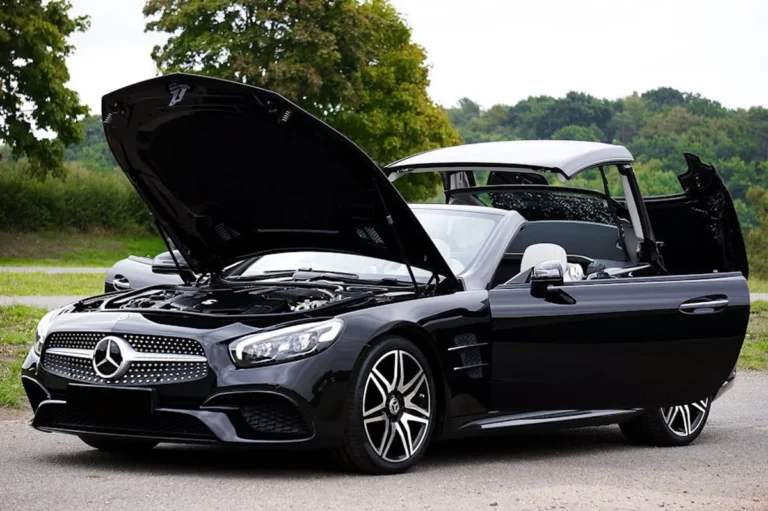

Purchasing a car involves more than just the sticker price. Many buyers overlook the recurring and often substantial expenses that accumulate over the vehicle's lifespan. Understanding the total cost of ownership (TCO) before committing to a purchase ensures financial preparedness and helps in making a decision that aligns with your long-term budget. This calculation extends beyond the initial transaction to cover every expense from fuel to depreciation, providing a realistic financial picture.
Understanding Total Cost of Ownership (TCO)
Total Cost of Ownership (TCO) represents the complete financial outlay associated with owning and operating a vehicle over a specific period, typically five years. It encompasses both direct and indirect costs, many of which are not immediately apparent at the point of sale. Focusing solely on the purchase price can lead to unexpected financial strain, as TCO often reveals that a cheaper car upfront might be significantly more expensive to maintain and operate over time. A thorough TCO calculation empowers buyers to compare vehicles not just on their initial price tag, but on their true economic impact.
Core Components of Car Ownership Cost
Initial Purchase Price and Depreciation
The purchase price is the most obvious cost, but its impact is compounded by depreciation. Depreciation is the reduction in a vehicle's value over time, and it is often the single largest ownership cost. New cars typically lose 20-30% of their value in the first year alone, and 50-60% over five years. To calculate this, subtract the estimated resale value at the end of your ownership period from the purchase price. For example, a $30,000 car worth $15,000 after five years has a depreciation cost of $15,000, or $3,000 annually.
Fuel Costs
Fuel expenses are a significant variable cost. To estimate this, you need three pieces of information: your estimated annual mileage, the vehicle's average miles per gallon (MPG), and the average price per gallon of fuel in your area. The calculation is straightforward: (Annual Miles / MPG) * Price per Gallon. For instance, driving 12,000 miles annually in a car averaging 30 MPG with fuel at $3.50/gallon results in (12,000 / 30) * $3.50 = $1,400 in annual fuel costs. This figure can fluctuate significantly based on driving habits and fuel price volatility.
Insurance Premiums
Car insurance is a mandatory and recurring expense, with premiums varying widely based on factors such as your age, driving record, location, chosen coverage levels, and the vehicle's make and model. High-performance or luxury vehicles typically incur higher premiums due to increased repair costs and theft risk. Obtaining multiple quotes from different providers is crucial for an accurate estimate. Annual premiums can range from $1,000 to over $3,000, depending on these variables.
Maintenance and Repairs
This category includes both scheduled maintenance (oil changes, tire rotations, brake pad replacements) and unexpected repairs (engine issues, transmission problems). Newer cars typically have lower maintenance costs, often covered by a manufacturer's warranty for the first few years. As a vehicle ages, repair costs tend to increase. Industry averages suggest allocating $500-$1,000 annually for maintenance and minor repairs on a typical sedan, with higher figures for luxury vehicles, trucks, or older models. Researching common issues for specific makes and models can provide more precise estimates.
Registration, Taxes, and Fees
Every state and locality imposes various fees for vehicle registration, license plates, and sometimes annual property taxes based on the car's value. These are non-negotiable annual or biennial costs. These fees can range from under $100 to several hundred dollars per year, depending on your location and the vehicle's age and value. Initial sales tax on the purchase price is also a significant upfront cost that should be factored into the overall budget.
Financing Costs (Interest)
If you finance your car purchase with a loan, the interest paid over the life of the loan is a direct cost of ownership. The total interest paid depends on the loan amount, interest rate, and loan term. A longer loan term or a higher interest rate will significantly increase the overall financing cost. For example, a $25,000 loan at 6% APR over 60 months will accrue approximately $4,000 in interest payments over the loan's duration.
Ancillary Costs
These are often overlooked but can add up. They include expenses like parking fees, tolls, car washes, detailing, emergency roadside assistance memberships, and accessories. While individually small, these costs can collectively add several hundred dollars annually to your total ownership expense. Consider your typical usage patterns to estimate these figures accurately.
Calculating Your Annual and Long-Term Ownership Costs
To derive a comprehensive TCO, aggregate all the components discussed. A structured approach helps ensure no significant cost is missed:
- Step 1: Determine Ownership Period. Decide if you're calculating for one, three, or five years. Five years is a common benchmark.
- Step 2: Estimate Depreciation. Research typical depreciation rates for the specific make and model. Use online valuation tools or consult automotive guides.
- Step 3: Project Fuel Expenses. Calculate using your estimated annual mileage, the car's MPG, and local fuel prices.
- Step 4: Obtain Insurance Quotes. Get actual quotes based on the specific vehicle and your driver profile.
- Step 5: Research Maintenance Schedules and Costs. Consult the owner's manual or online forums for typical service intervals and associated costs. Factor in potential repair reserves.
- Step 6: Identify Annual Fees. Check your state's DMV website for registration, inspection, and tax fees.
- Step 7: Calculate Financing Interest. If applicable, use a loan calculator to determine total interest paid over your ownership period.
- Step 8: Estimate Ancillary Costs. Budget for parking, tolls, and other miscellaneous expenses based on your lifestyle.
Pro Tip: When comparing vehicles, don't just look at the manufacturer's suggested retail price (MSRP). Instead, focus on the estimated five-year Total Cost of Ownership (TCO) figures published by independent automotive research firms. These often reveal that a slightly more expensive car upfront can be cheaper to own long-term due to better fuel economy, lower insurance rates, or superior reliability.
Factors That Significantly Impact Your TCO
Several variables beyond the car itself influence its total cost of ownership:
- Vehicle Type: Sedans generally have lower TCO than SUVs or trucks due to better fuel economy, lower insurance, and less expensive parts. Electric vehicles (EVs) have higher purchase prices but significantly lower fuel and often maintenance costs.
- Driving Habits: High annual mileage directly increases fuel, maintenance, and tire replacement costs. Aggressive driving also reduces fuel efficiency and accelerates wear and tear.
- Location: Urban areas often mean higher insurance rates, more parking fees, and potentially higher repair labor costs. Rural areas might incur higher fuel costs due to longer commutes.
- New vs. Used: New cars face rapid initial depreciation but come with warranties and often lower immediate maintenance. Used cars bypass the steepest depreciation but may require more immediate maintenance and repairs, and might have higher interest rates on loans.
Strategic Approaches to Lower Car Ownership Costs
Minimizing TCO requires proactive decisions:
- Choose a Reliable Model: Research vehicles known for low maintenance and high reliability. Brands with strong reputations for durability often have lower long-term repair costs.
- Consider Fuel Efficiency: Opt for models with excellent MPG ratings, especially if you drive frequently. Hybrid or electric vehicles can offer substantial savings on fuel.
- Shop for Insurance: Regularly compare insurance quotes from multiple providers. Adjusting deductibles or bundling policies can also reduce premiums.
- Perform Regular Maintenance: Adhering to the manufacturer's recommended service schedule prevents minor issues from escalating into costly repairs.
- Drive Conservatively: Smooth acceleration and braking, along with maintaining appropriate tire pressure, improve fuel economy and reduce wear on components like brakes and tires.
- Negotiate Purchase Price and Interest Rates: A lower initial price and a favorable loan interest rate directly reduce your overall expense.
- Evaluate Used Cars: Buying a slightly used car (2-3 years old) allows someone else to absorb the steepest depreciation, offering better value.
Practical Application: Estimating Your True Car Expenses
Before making any vehicle purchase, create a personalized spreadsheet or use an online TCO calculator. Input your specific driving habits, local fuel prices, insurance quotes, and estimated maintenance costs. This direct comparison will highlight which vehicles offer the best long-term value, rather than just the lowest sticker price. Remember to revisit and update your calculations annually, as fuel prices, insurance rates, and maintenance needs can change over time. This ongoing assessment ensures your vehicle remains a manageable asset within your financial plan.
Frequently Asked Questions About Car Ownership Costs
What is the biggest cost of car ownership?
Depreciation is typically the single largest cost of car ownership, especially for new vehicles, often accounting for 20-30% in the first year alone and continuing significantly over subsequent years.
How much should I budget monthly for car expenses?
A general guideline suggests budgeting 15-20% of your net monthly income for all car-related expenses, including loan payments, insurance, fuel, and maintenance. However, this varies widely based on income, vehicle type, and location.
Does a car's color affect insurance costs?
No, a car's color does not directly affect insurance premiums. Insurers consider factors like the vehicle's make, model, year, engine size, safety features, repair costs, and theft rates, but not its paint color.
Are electric vehicles cheaper to own long-term?
Electric vehicles (EVs) often have a lower total cost of ownership over their lifespan compared to gasoline cars, primarily due to significantly lower fuel (electricity) costs, reduced maintenance needs (fewer moving parts, no oil changes), and various government incentives or tax credits.