The used car market is not a static environment; prices fluctuate significantly, influenced by a complex interplay of economic factors, consumer behavior, and, crucially, seasonal demand. For both buyers seeking value and sellers aiming to maximize return, understanding these predictable cycles is fundamental. Ignoring seasonality means potentially overpaying for a vehicle or underselling one, leaving tangible money on the table. This article details the specific seasonal patterns that dictate used car values, offering a framework for strategic timing in transactions.
Core Seasonal Drivers of Used Car Prices
Spring and Summer: Peak Demand and Higher Prices
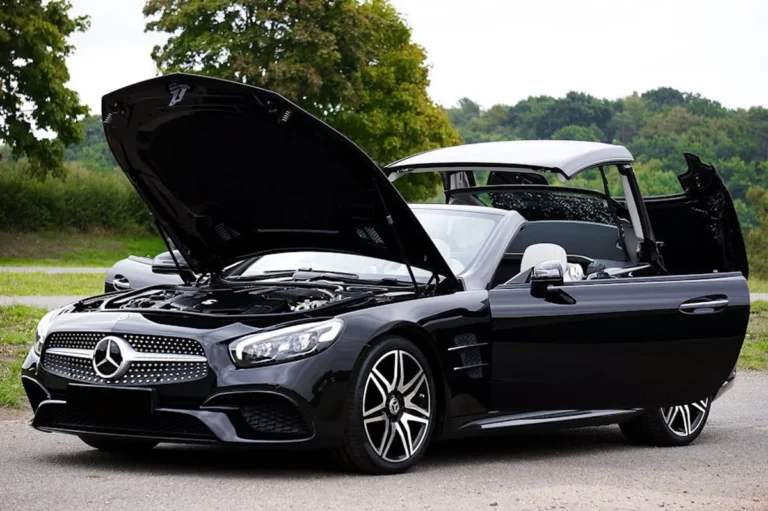
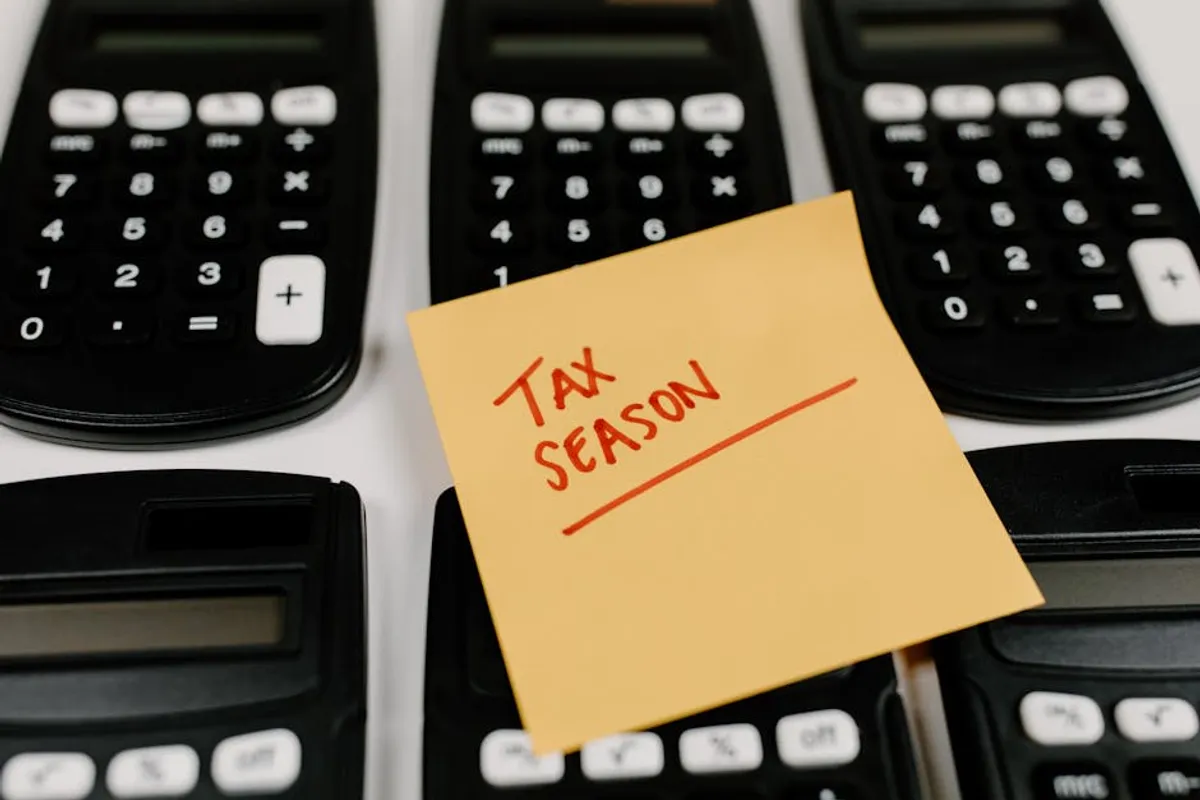
The period from late spring through summer typically represents the peak season for used car demand, leading to elevated prices. Several factors converge during these months to create this seller's market. Tax refunds often provide consumers with a lump sum for a down payment or full purchase, increasing buying power. Warmer weather encourages road trips and family vacations, making reliable transportation a higher priority. Additionally, many new car models are released in the fall, prompting some buyers to consider a slightly older, more affordable used alternative as new inventory arrives. Convertibles and sport utility vehicles, in particular, see a surge in demand as favorable driving conditions prevail.
Fall: Gradual Decline and Strategic Buying
As summer transitions into fall, the used car market typically experiences a gradual cooling. Back-to-school expenses and the looming holiday season shift consumer spending priorities away from large vehicle purchases. While demand remains steady, it generally does not reach the highs of spring and summer. This period can offer strategic opportunities for buyers, especially those not tied to immediate needs, as sellers may become more flexible on pricing to move inventory before winter. Sedans and family vehicles often see minor price adjustments as the urgency of summer travel subsides.
Winter: Lowest Demand, Potential Bargains
Winter months, especially from late November through February, often present the lowest demand for used vehicles. Harsh weather conditions in many regions deter casual browsing and test drives. The financial strain of holiday spending further reduces discretionary income for car purchases. This slowdown creates a buyer's market, where dealerships and private sellers are often more motivated to negotiate prices to clear inventory. Vehicles like four-wheel-drive SUVs and trucks, while still practical for winter conditions, may not command the same premium as during other times, making them potential bargains for prepared buyers. Conversely, convertibles and other warm-weather-focused vehicles often hit their lowest price points.
Economic Factors Intersecting with Seasonality
Fuel Prices and Vehicle Type Demand
The cost of fuel directly impacts the desirability and, consequently, the price of different vehicle types. When gasoline prices are high, demand for fuel-efficient compact cars and hybrids tends to increase, potentially counteracting some seasonal declines for these specific segments. Conversely, lower fuel prices can boost interest in larger SUVs and trucks, even during off-peak seasons. This dynamic creates micro-seasonal shifts within broader trends, requiring a nuanced understanding of current market conditions.
Interest Rates and Financing Costs
Fluctuations in interest rates set by central banks directly affect the cost of financing a used car purchase. Higher rates increase the total cost of ownership, potentially dampening demand across all seasons. Lower rates make vehicles more affordable, stimulating sales. These rate changes can amplify or mitigate seasonal price movements; for instance, a period of low interest rates in winter could partially offset the typical seasonal price dip by making purchases more attractive.
New Car Inventory and Production Delays
The availability and pricing of new cars have a direct ripple effect on the used car market. When new car production faces delays or inventory is scarce, demand for used vehicles typically increases, driving up prices. Conversely, an abundance of new models, often accompanied by incentives, can pull buyers away from the used market, contributing to price reductions. This interplay means that even strong seasonal demand for used cars can be tempered by a robust new car market, or vice-versa.
Pro Tip: To maximize value, cross-reference seasonal trends with local market data and upcoming vehicle releases. Selling just before new model years arrive can often yield better returns for sellers, while buyers might find deals post-holidays when dealers are eager to clear inventory for the new year.
Strategic Timing for Used Car Transactions
Effective navigation of the used car market requires more than just a general awareness of seasons; it demands strategic timing aligned with individual goals.
For Buyers:
- Late Fall to Early Winter: This period, typically November through February, often presents the best opportunities for price negotiation. Dealers are keen to meet year-end sales quotas and clear inventory before the new year.
- End of the Month/Quarter: Dealers often have sales targets to hit by the end of each month or quarter, making them more receptive to offers during these times, regardless of the season.
- Holiday Weekends (excluding major buying holidays): While major holidays like Memorial Day or Labor Day can see promotions for new cars, some dealerships might offer deals on used cars to attract traffic, especially if inventory is high.
For Sellers:
- Spring and Early Summer: March through June generally offers the strongest demand and highest prices for sellers. This aligns with tax refund season and the desire for summer travel.
- Before New Model Year Releases: Selling your vehicle before the new model year vehicles hit showrooms (often in late summer/early fall) can prevent a rapid depreciation hit as your car becomes "older" in comparison.
- Well-Maintained and Detailed: Regardless of season, a well-presented vehicle with comprehensive maintenance records will always command a better price.
Navigating the Market: Beyond Seasonality
While seasonal patterns provide a strong framework, they are not the sole determinants of a used car's value. The vehicle's specific make, model, mileage, condition, and maintenance history remain paramount. Always conduct thorough research, comparing prices for similar vehicles in your local market. Leverage online valuation tools, but also physically inspect vehicles or have them inspected by a trusted mechanic. Understanding the broader economic landscape—including fuel prices, interest rates, and new car availability—provides additional context to make informed decisions. A combination of seasonal awareness and diligent individual vehicle assessment will position both buyers and sellers for optimal outcomes.
Frequently Asked Questions
When is the best time to buy a used car?
The best time to buy a used car is typically between late fall and early winter (November to February). Demand is lower due to holiday spending and harsh weather, leading to more motivated sellers and potentially better deals.
When is the best time to sell a used car?
The best time to sell a used car is generally in spring and early summer (March to June). Demand is higher due to tax refunds, warmer weather, and increased consumer desire for travel, which can lead to higher selling prices.
Do fuel prices impact seasonal demand for used cars?
Yes, fuel prices significantly influence demand for specific vehicle types. High fuel prices can boost the demand for fuel-efficient cars, even in off-peak seasons, while lower prices can increase interest in larger, less fuel-efficient vehicles.
How do new car inventories affect used car prices?
New car inventories have a direct impact. When new cars are scarce or expensive, demand for used cars increases, pushing prices up. Conversely, an abundance of new cars with incentives can draw buyers away from the used market, potentially lowering used car prices.