
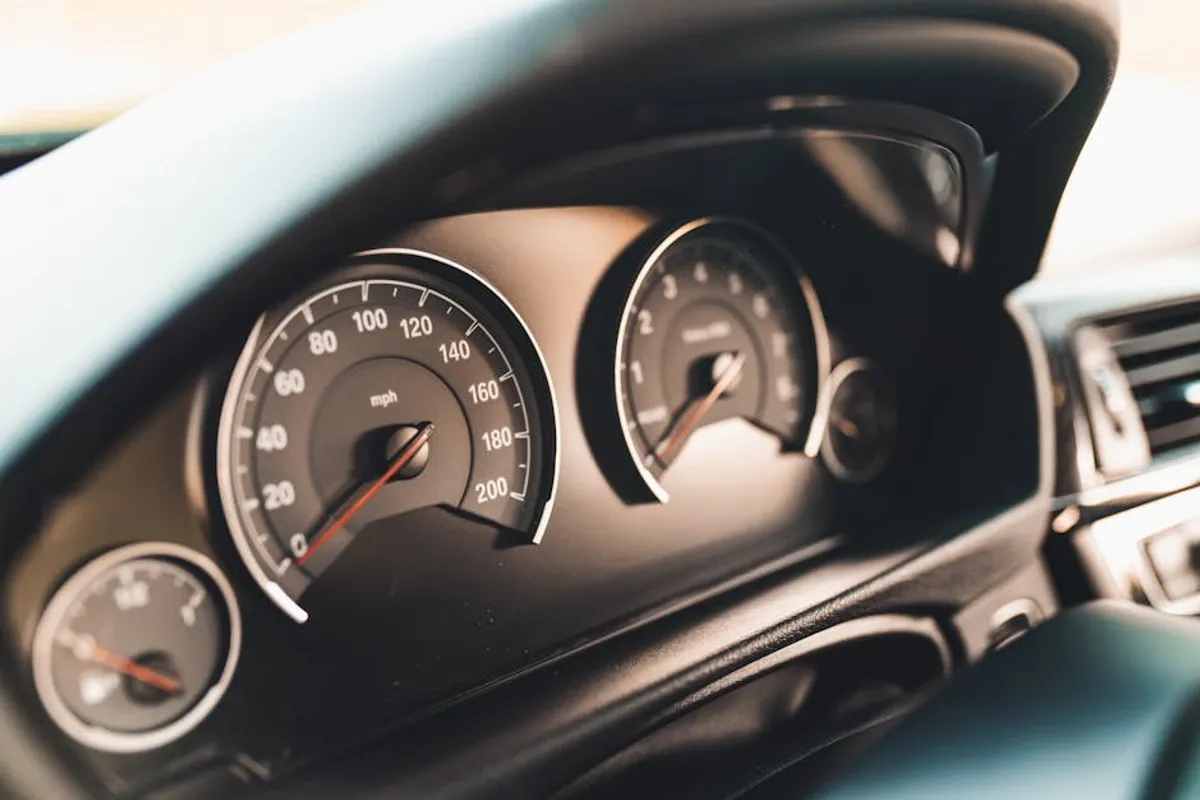
The mileage displayed on a used car's odometer is often the first metric buyers consider, and for good reason: it serves as a primary indicator of a vehicle's cumulative wear and tear. This figure directly correlates with the lifespan of mechanical components, affecting everything from engine longevity to suspension integrity. Consequently, mileage profoundly influences a used car's market value, driving depreciation and shaping buyer perception. Understanding this relationship is crucial for both sellers aiming to price competitively and buyers seeking a durable investment. This is why arranging for a comprehensive pre-purchase inspection is a vital step before finalizing any used car deal.
Direct Relationship: Mileage and Component Wear
Every mile a vehicle travels contributes to the degradation of its parts. Engines accumulate hours of operation, transmissions undergo countless shifts, and suspension systems absorb thousands of impacts. High mileage typically signifies increased wear on critical components such as the engine, transmission, brakes, tires, and various electrical systems. This wear translates into a higher probability of future repairs and maintenance, which buyers factor into their purchasing decision. As potential repair costs rise, the perceived value of the vehicle decreases, leading to a lower sale price.
Conversely, vehicles with significantly lower mileage for their age often command a premium. The assumption is that these cars have experienced less mechanical stress and therefore possess a longer remaining operational life. However, exceptionally low mileage can sometimes be a red flag, indicating prolonged periods of inactivity which can lead to issues like dried-out seals, flat-spotted tires, or battery degradation. The ideal scenario often involves mileage that aligns with or is slightly below the average for the vehicle's age, suggesting consistent, moderate use.
Beyond the Odometer: Other Value Determinants
While mileage is a dominant factor, it is not the sole determinant of a used car's value. Several other elements interact with mileage to shape the final price:
- Age of the Vehicle: Older cars generally depreciate more, regardless of mileage. A 10-year-old car with 50,000 miles might still be valued lower than a 5-year-old car with 80,000 miles, due to advancements in technology, safety features, and overall design.
- Maintenance History: A meticulously documented service history can significantly mitigate the negative impact of high mileage. Proof of regular oil changes, timely component replacements, and professional inspections reassures buyers that the vehicle has been cared for, suggesting potential longevity despite the odometer reading.
- Make, Model, and Market Demand: Certain brands and models are known for their reliability and slower depreciation rates. A high-mileage Toyota Camry or Honda Civic might retain more value than a lower-mileage luxury car with a reputation for expensive repairs. Market demand also plays a role; popular models hold value better.
- Overall Condition Assessment: The physical and mechanical state of the car, irrespective of mileage, is critical. This includes exterior aesthetics (paint, body panels), interior condition (upholstery, electronics), and observable mechanical health (engine noise, transmission smoothness, brake performance). A low-mileage car with significant cosmetic damage or underlying mechanical issues will naturally fetch a lower price.
- Location and Regional Pricing: Used car values can vary geographically based on local demand, climate (e.g., rust concerns in certain regions), and availability.
Mileage Thresholds and Their Implications
The concept of "high" or "low" mileage is relative to the vehicle's age and type. Industry averages typically peg annual driving at 12,000 to 15,000 miles. Deviations from this benchmark influence value:
Average Annual Mileage Benchmarks:
A car with mileage close to 12,000-15,000 miles per year is considered "average." This often indicates consistent use without excessive wear, making it a generally safe purchase for buyers and a predictable valuation for sellers.
High Mileage: Risk vs. Opportunity:
Vehicles exceeding the average, particularly those over 100,000 miles, enter the "high mileage" category. These cars typically see significant depreciation. However, they can represent an opportunity for budget-conscious buyers who prioritize affordability over lower mileage, especially if the vehicle has a strong maintenance record and a reputation for durability. For sellers, transparency about maintenance and recent repairs is paramount to attracting buyers.
Low Mileage: Premium or Red Flag?:
Cars with significantly less than average mileage for their age often command a premium. A five-year-old car with 25,000 miles will be more expensive than an identical model with 75,000 miles. However, exceptionally low mileage on an older vehicle (e.g., a 15-year-old car with only 30,000 miles) warrants scrutiny. It might indicate a "garage queen" with minimal wear, but it could also signal long periods of disuse, which can lead to deteriorated rubber components, fluid issues, or other age-related problems unrelated to driving.
Pro Tip: When evaluating a used car, always prioritize a comprehensive pre-purchase inspection by an independent mechanic, regardless of the odometer reading. Mileage is a data point, but the current mechanical health and documented service history provide a more accurate picture of remaining value and potential future costs.
Strategic Considerations for Buyers and Sellers
For sellers, understanding mileage impact means realistic pricing. High mileage necessitates a lower asking price unless offset by exceptional condition, recent major repairs, or a full service history. For buyers, mileage helps frame expectations regarding potential lifespan and future maintenance. A higher mileage vehicle might be a sound choice if it's a reliable model with documented care and a price reflecting its age and use.
Best for: Buyers seeking value and willing to accept potential future maintenance costs should look at high-mileage, well-maintained vehicles from reputable brands. Buyers prioritizing longevity and minimal immediate repairs will gravitate towards lower-mileage options, understanding they will pay a premium.
Navigating the Used Car Market
The used car market is dynamic, with mileage acting as a central pivot point for valuation. While lower mileage generally translates to higher value, savvy buyers and sellers recognize that a holistic assessment encompassing age, maintenance, condition, and market demand provides the most accurate picture. Focusing solely on the odometer can lead to overpaying for a neglected low-mileage car or overlooking a well-preserved high-mileage gem.
Common Questions on Mileage and Value
Does mileage matter more than age for a used car? Mileage and age are both critical and intertwined. Mileage indicates wear on moving parts, while age reflects the degradation of materials over time, regardless of use. Generally, lower mileage is preferred for any age, but an older car with very low mileage can still have age-related issues.
What is considered "good" mileage for a 5-year-old car? Assuming an average of 12,000-15,000 miles per year, a 5-year-old car with 60,000 to 75,000 miles would be considered average. Anything significantly below 60,000 miles would be low, and above 75,000 would be high.
Can I increase my car's value by keeping the mileage low? Yes, keeping mileage low generally helps preserve resale value. However, excessive efforts to avoid driving can sometimes lead to other problems from disuse. Regular, moderate driving with proper maintenance is often the best approach to balance value retention and vehicle health.
How much does 10,000 extra miles typically devalue a car? The exact depreciation varies significantly by make, model, age, and market demand. For many popular models, an additional 10,000 miles can decrease value by 5-10%, especially within the first few years of ownership. This impact tends to lessen as the car ages and accumulates more mileage.