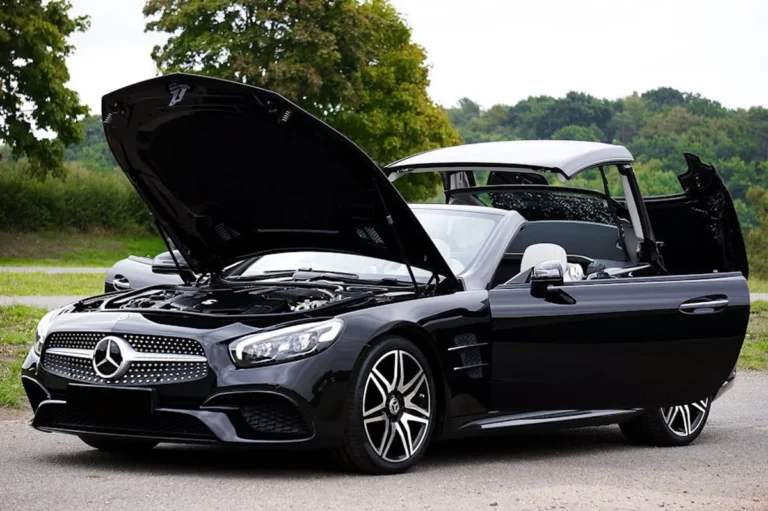
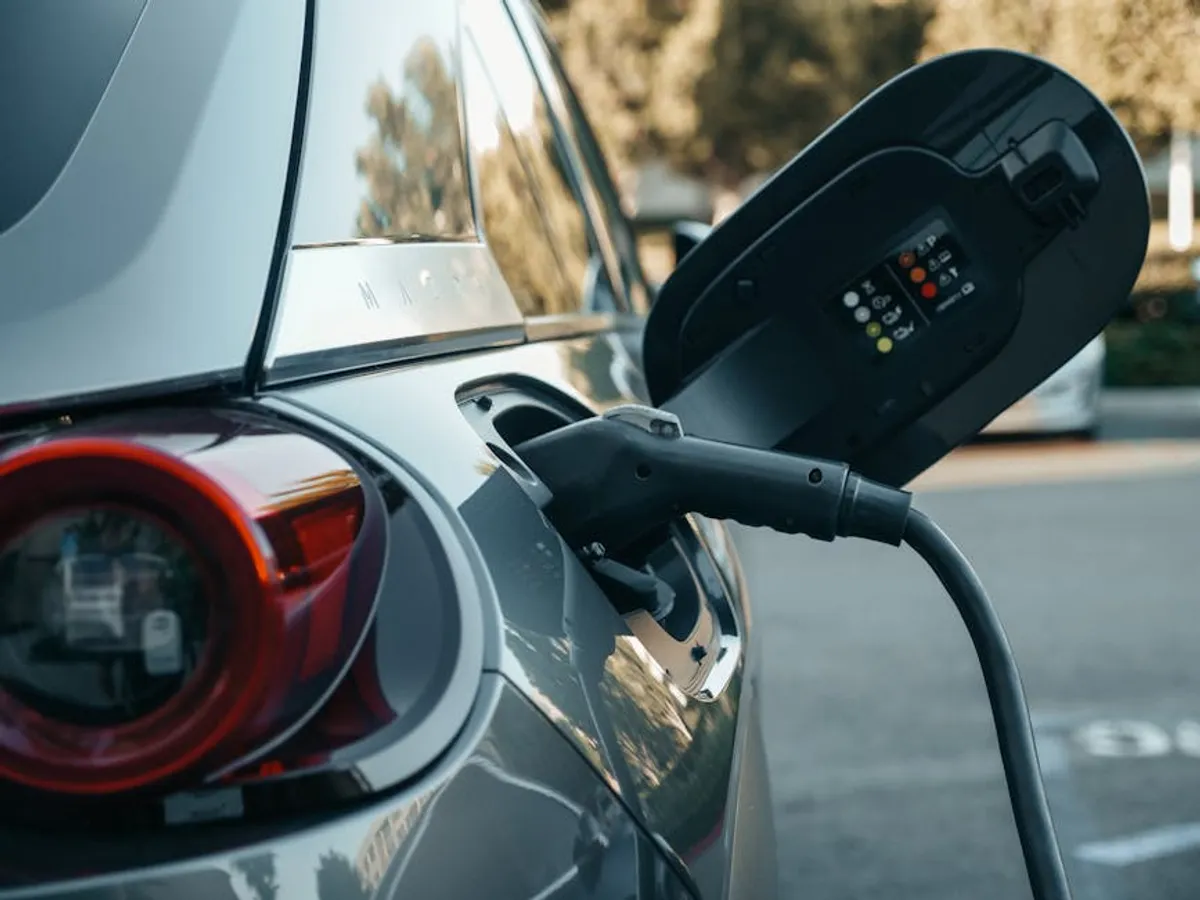
The choice between an electric vehicle (EV) and a traditional gasoline-powered car represents more than a simple purchase; it's a decision with significant implications for your budget, daily routine, and environmental footprint. This isn't a matter of one being universally "better," but rather which option aligns more closely with individual priorities, local infrastructure, and long-term ownership goals. Understanding the core distinctions in cost, performance, and practicality is essential for making an informed investment.
Initial Investment: Purchase Price and Incentives
The sticker price is often the first point of comparison, and here, gasoline cars typically present a lower barrier to entry. New internal combustion engine (ICE) vehicles generally have a lower manufacturer's suggested retail price (MSRP) compared to equivalent EV models, particularly in the entry-level and mid-range segments. This is primarily due to the higher cost of battery production and the newer, more specialized manufacturing processes for electric powertrains.
However, the initial cost differential is frequently offset by various incentives designed to promote EV adoption. These can include federal tax credits, state rebates, and local grants, which can significantly reduce the effective purchase price of an electric car. Eligibility for these incentives often depends on factors like battery capacity, vehicle manufacturing location, and the buyer's income. Researching available programs in your region is crucial for an accurate cost assessment.
- Electric Cars: Higher MSRP, but often eligible for substantial tax credits and rebates.
- Gas Cars: Lower MSRP, minimal to no purchase incentives.
Operating Expenses: Fuel, Maintenance, and Insurance
Beyond the initial purchase, the ongoing costs of ownership diverge significantly between electric and gas cars.
Fueling Costs
Electric Cars: Powering an EV with electricity is generally cheaper than filling a gas tank, though rates vary by location and time of day. Home charging, especially during off-peak hours, offers the lowest cost per mile. Public charging networks, while convenient, can be more expensive, particularly DC fast chargers. The cost effectiveness of 'fueling' an EV is highly dependent on electricity prices in your area and your charging habits.
Gas Cars: Gasoline prices are volatile and subject to global market fluctuations. While a gas car offers rapid refueling, the per-mile cost can fluctuate wildly, making long-term budgeting for fuel less predictable. High fuel consumption models will incur substantially higher running costs over time.
Maintenance Requirements
Electric Cars: EVs have fewer moving parts than gasoline cars. There's no engine oil to change, no spark plugs to replace, and no complex exhaust systems or transmissions requiring regular service. This typically translates to lower routine maintenance costs. Brake wear can also be reduced due to regenerative braking systems, which use the electric motor to slow the vehicle and recharge the battery.
Gas Cars: ICE vehicles require regular oil changes, filter replacements, spark plug changes, belt inspections, and more frequent brake service. These routine maintenance items contribute to higher long-term service costs compared to EVs.
Insurance Premiums
Insurance costs for both types of vehicles can vary widely based on make, model, driver history, and location. Historically, EVs have sometimes carried slightly higher premiums due to the higher cost of battery replacement in accident scenarios and specialized repair requirements. However, as EV technology becomes more mainstream and repair infrastructure develops, these differences are narrowing.
Performance and Driving Dynamics
The driving experience offers distinct characteristics for each powertrain type.
Electric Cars: Known for instant torque delivery, EVs often provide brisk acceleration from a standstill, resulting in a responsive and engaging driving feel. The absence of an internal combustion engine also means a remarkably quiet cabin, contributing to a smoother, more refined ride. Range anxiety, the concern about running out of charge, has lessened with improving battery technology and expanding charging networks, but careful planning for long trips is still advisable.
Gas Cars: Offer a familiar driving experience with the sound and feel of a traditional engine. Refueling is quick and convenient, and range is generally not a concern, with gas stations readily available almost everywhere. Performance varies widely across models, from economical compacts to high-horsepower sports cars.
Environmental Footprint
This is a critical differentiator for many buyers.
Electric Cars: Produce zero tailpipe emissions, directly contributing to cleaner urban air quality. However, the overall environmental impact depends on the source of electricity used to charge the vehicle. In regions heavily reliant on renewable energy, the lifecycle emissions of an EV are significantly lower than a gas car. Battery production and disposal also carry environmental considerations, though recycling initiatives are advancing.
Gas Cars: Emit greenhouse gases and pollutants directly from the tailpipe, contributing to air pollution and climate change. The extraction, refining, and transportation of fossil fuels also have significant environmental impacts.
Pro Tip: When evaluating an EV, assess your typical daily commute and access to charging. If you can reliably charge at home overnight and your daily mileage falls within typical EV ranges (200-300+ miles), an electric car could be highly practical. For frequent long-distance drivers without consistent fast-charging access, a gas car or a plug-in hybrid might offer more immediate convenience.
Infrastructure and Convenience
The availability of fueling and charging infrastructure impacts daily usability.
Gas Cars: Benefit from a mature and extensive network of gas stations, offering quick refueling in minutes, virtually anywhere. This widespread availability minimizes range concerns for most drivers.
Electric Cars: Rely on a growing, but still developing, charging infrastructure. This includes home charging (Level 1 and Level 2), public Level 2 chargers, and DC fast chargers. While the number of charging stations is increasing rapidly, planning for longer journeys is still necessary to ensure access to suitable charging points. Charging times vary significantly, from hours for Level 2 to 20-40 minutes for a substantial charge on a fast charger.
Long-Term Ownership and Resale Value
The long-term outlook for both vehicle types is evolving.
Electric Cars: The resale market for EVs is maturing. Early models sometimes saw faster depreciation, but newer models with improved range and battery technology are holding value better. Battery degradation over time is a consideration, but manufacturers often provide extensive warranties (typically 8 years/100,000 miles or more) on battery packs, mitigating this concern for the initial owner. As the market expands, demand for used EVs is likely to stabilize.
Gas Cars: Have a well-established resale market with predictable depreciation curves based on brand, model, mileage, and condition. While gas prices can influence demand for fuel-efficient models, the overall market for used ICE vehicles remains robust.
Making Your Decision
Choosing between an electric and gas car requires a personalized assessment. Consider your average daily mileage, access to home or workplace charging, budget for purchase and ongoing costs, and your personal priorities regarding environmental impact and driving experience. For urban dwellers with predictable commutes and home charging, an EV often presents compelling cost savings and environmental benefits. For those frequently undertaking long, unplanned journeys through areas with sparse charging infrastructure, a gasoline vehicle may still offer greater immediate convenience. The optimal choice is the one that best fits your specific lifestyle and financial parameters.
Frequently Asked Questions
Q: Are electric car batteries expensive to replace?
A: Yes, replacing an entire EV battery pack can be costly, often thousands of dollars. However, battery warranties typically cover significant degradation or failure for many years, making replacement less of a concern for most initial owners. Advances in battery technology are also improving longevity and reducing future replacement costs.
Q: How long does it take to charge an electric car?
A: Charging times vary significantly. A standard Level 2 home charger can take 4-10 hours for a full charge. DC fast chargers, found at public stations, can add 80% charge in 20-40 minutes, depending on the vehicle and charger output. Level 1 (standard wall outlet) charging is the slowest, often taking 24+ hours for a full charge.
Q: Do electric cars perform well in cold weather?
A: Cold weather can temporarily reduce an EV's range and charging speed because batteries are less efficient in low temperatures and energy is used for cabin heating. However, modern EVs are designed with thermal management systems to mitigate these effects, and preconditioning the cabin while plugged in can help preserve range.
Q: What is the typical range of an electric car?
A: The range of electric cars varies widely by model and battery size, typically from 150 miles for entry-level models to over 400 miles for premium vehicles on a single charge. Most new EVs offer a practical range of 200-300 miles, which is sufficient for most daily driving needs.