
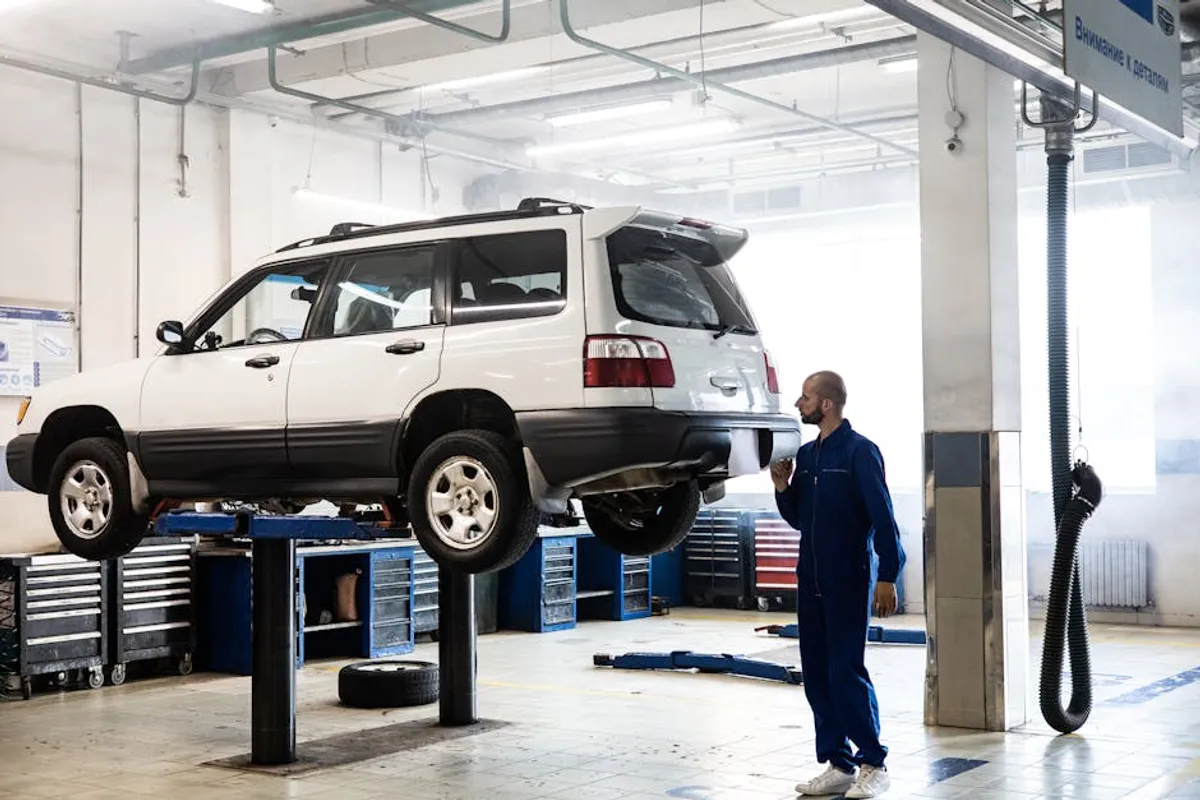
Maintaining a vehicle proactively is not merely about preventing breakdowns; it is a direct investment in safety, operational efficiency, and the preservation of asset value. A well-executed car maintenance checklist serves as a strategic framework, enabling owners to transition from reactive, costly repairs to a predictable schedule of care. This approach mitigates risks associated with component failure, optimizes fuel consumption, and significantly extends a vehicle's useful life, ultimately impacting its long-term financial viability and resale potential.
Daily and Weekly Inspection Points
Frequent, brief checks establish a baseline for your vehicle’s health, allowing for early detection of anomalies before they escalate into significant issues. These inspections require minimal time but yield substantial returns in preventing unexpected downtime and costly repairs.
- Tire Pressure and Tread Depth: Check tire pressure weekly using a reliable gauge, referencing the manufacturer’s recommended PSI (found on a sticker inside the driver’s door jamb or in the owner’s manual), not the maximum pressure listed on the tire itself. Incorrect pressure impacts fuel economy, tire wear patterns, and vehicle handling. Simultaneously, visually inspect tread depth for uneven wear and foreign objects. A tread depth of less than 2/32 inch indicates replacement is due.
- Fluid Levels: Regularly monitor engine oil, coolant, brake fluid, power steering fluid, and windshield washer fluid. Engine oil should be checked monthly on a level surface after the engine has cooled for at least 15 minutes, ensuring it falls within the 'full' marks on the dipstick. Coolant levels are critical for engine temperature regulation; inspect the reservoir level when the engine is cold. Low brake fluid can indicate worn brake pads or a leak, requiring immediate professional attention.
- Lights and Signals: Verify the functionality of all exterior lights—headlights (high and low beams), tail lights, brake lights, turn signals, and hazard lights. This ensures visibility for both the driver and other road users, a fundamental safety requirement.
- Wiper Blades: Inspect wiper blades for cracks, tears, or hardening of the rubber. Effective wipers are crucial for clear visibility during adverse weather conditions. Replace them every six to twelve months, or sooner if streaking or chattering occurs.
Scheduled Service Intervals and Component Lifespans
Beyond daily checks, manufacturers prescribe specific service intervals, typically based on mileage or time, to address components with predictable wear rates. Adhering to these schedules is paramount for maintaining warranty validity and optimal vehicle performance.
Engine Performance Essentials
Oil and Filter Changes: Engine oil lubricates moving parts, dissipates heat, and cleans the engine. Its effectiveness degrades over time and mileage. Follow manufacturer recommendations, generally every 5,000 to 10,000 miles or every 6-12 months, using the specified oil type and viscosity. A fresh oil filter ensures contaminants are removed effectively. Ignoring this leads to increased friction, premature engine wear, and reduced fuel efficiency.
Air Filter Replacement: The engine air filter prevents dust, debris, and contaminants from entering the engine's combustion chambers. A clogged filter restricts airflow, reducing engine power, increasing fuel consumption, and potentially causing premature wear. Replace it every 15,000 to 30,000 miles, or more frequently if driving in dusty conditions.
Spark Plugs and Belts: Spark plugs ignite the air-fuel mixture, directly impacting engine performance and fuel economy. Their replacement interval varies widely, from 30,000 to 100,000 miles, depending on the plug type (copper, platinum, iridium). Serpentine belts drive accessories like the alternator, power steering pump, and air conditioning compressor. Inspect them for cracks, fraying, or glazing every 30,000 to 50,000 miles, and replace as needed to avoid sudden accessory failure.
Braking and Steering System Integrity
Brake System Inspection: Annually, or every 10,000-15,000 miles, have brake pads, rotors, calipers, and brake fluid lines inspected. Pad wear should be monitored, and rotors checked for warping or excessive wear. Brake fluid should be flushed and replaced every 2-3 years, as it absorbs moisture over time, reducing its boiling point and effectiveness.
Tire Rotation and Balancing: Rotate tires every 5,000 to 7,500 miles to promote even wear across all four tires, extending their lifespan. Balancing ensures the wheel and tire assembly spins without vibration, preventing premature tire wear and providing a smoother ride.
Steering and Suspension Components: These systems are critical for vehicle control and ride comfort. During routine service, technicians should inspect tie rods, ball joints, shock absorbers/struts, and bushings for wear or damage. Worn components compromise handling, tire wear, and safety.
Pro Tip: Maintain a detailed service record, including dates, mileage, and specific services performed. This documentation not only helps track your vehicle's maintenance history but also significantly enhances its resale value by providing verifiable proof of diligent care to prospective buyers.
Battery Health and Electrical System
The battery is the heart of the electrical system. Have its charge level and terminals inspected annually. Corroded terminals can impede current flow, leading to starting issues. Most car batteries last 3-5 years; proactive replacement before total failure avoids being stranded.
Seasonal Preparations
Adapting maintenance for seasonal changes ensures optimal performance and safety in varying environmental conditions.
Winter Readiness: Check antifreeze levels and concentration, ensuring adequate protection against freezing. Inspect battery health, as cold temperatures reduce battery efficiency. Consider winter tires if driving in areas with consistent snow and ice for superior traction and braking performance. Ensure defrosters and heating systems are fully functional.
Summer Readiness: Verify the air conditioning system's cooling efficiency. Inspect the cooling system, including radiator, hoses, and coolant, to prevent overheating in warmer temperatures. Ensure tires are properly inflated for increased road temperatures.
Beyond the Basics: Sustaining Vehicle Performance
Consistent adherence to a comprehensive maintenance checklist is the most effective strategy for maximizing a vehicle's operational lifespan and financial return. This proactive approach minimizes the likelihood of unexpected repairs, which are often more expensive and inconvenient than scheduled service. Furthermore, a well-maintained vehicle typically retains a higher resale value, reflecting its reliability and the owner's commitment to its care. By systematically addressing wear and tear, you ensure not only your safety but also the vehicle's long-term efficiency and dependability.
Frequently Asked Questions
How often should I check my car's fluids?
Engine oil should be checked monthly, or before long trips. Coolant and windshield washer fluid levels can be visually inspected monthly. Brake and power steering fluid levels should be checked during your monthly engine oil check, but any significant drop warrants immediate professional inspection.
What is the most critical maintenance item?
While all maintenance is important, regular oil and filter changes are arguably the most critical. Engine oil is vital for lubrication, cooling, and cleaning, and its degradation directly impacts engine longevity and performance more than any other single maintenance item.
Can I perform all maintenance myself?
Many basic checks, such as tire pressure, fluid levels, and light functionality, can be performed by the owner. However, more complex tasks like brake service, timing belt replacement, or diagnostic work typically require specialized tools, knowledge, and experience, making professional service advisable.
How does driving style affect maintenance needs?
Aggressive driving, frequent short trips, or driving in extreme conditions (e.g., very dusty roads, heavy traffic with constant stop-and-go) can accelerate wear on components. This may necessitate more frequent oil changes, brake inspections, and tire rotations than recommended for average driving conditions.