
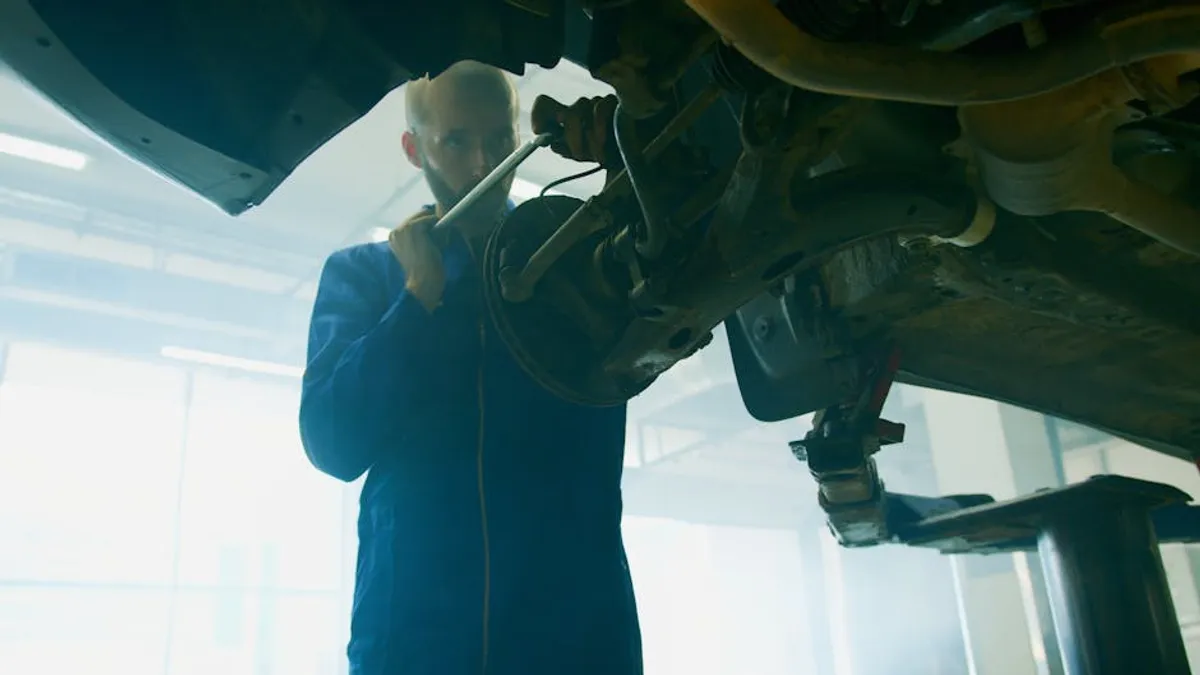
Acquiring a new vehicle marks a significant milestone, but the initial excitement often overshadows the ongoing responsibility of maintenance. For new car owners, understanding and implementing a consistent maintenance routine is not merely a suggestion; it is a critical investment in the vehicle's longevity, safety, and retained value. Neglecting routine checks can lead to accelerated wear, costly repairs, and potential safety hazards, diminishing the driving experience and increasing long-term expenses. This checklist provides a structured approach to essential car care, empowering new owners to protect their investment from day one.
Essential Fluid and Filter Management
The operational health of any vehicle relies heavily on the condition and levels of its various fluids and the efficiency of its filtration systems. Regular attention to these components prevents friction, overheating, and contamination that can degrade performance and cause premature component failure.
Engine Oil
Engine oil lubricates moving parts, reduces friction, and helps dissipate heat. Checking the oil level regularly, typically monthly or before long trips, is fundamental. Refer to your owner’s manual for the correct dipstick procedure and recommended oil type. Oil changes, including a new oil filter, are typically performed every 5,000 to 7,500 miles, or every six months, depending on your vehicle and driving conditions. Synthetic oils often allow for longer intervals, but adherence to manufacturer specifications is paramount.
Coolant (Antifreeze)
Coolant regulates engine temperature, preventing both overheating and freezing. Check the coolant level in the reservoir when the engine is cold. The level should be between the "MIN" and "MAX" marks. A significant drop could indicate a leak. Coolant flushes are recommended every 30,000 to 60,000 miles, or as specified by the manufacturer, to prevent corrosion and maintain heat transfer efficiency.
Brake Fluid
Brake fluid transmits the force from the brake pedal to the wheels, enabling stopping. The fluid reservoir, usually visible under the hood, has "MIN" and "MAX" indicators. A low level can signal worn brake pads or a leak in the system. Brake fluid is hygroscopic, meaning it absorbs moisture over time, which can reduce its boiling point and lead to brake fade. Flushing brake fluid is often recommended every two years or 20,000 to 40,000 miles.
Power Steering Fluid
For vehicles with hydraulic power steering, this fluid assists in turning the wheels. Check the reservoir level when the engine is warm. A low level can result in difficulty steering or a whining noise. Many modern vehicles use electric power steering and do not require fluid checks.
Transmission Fluid
Transmission fluid lubricates the transmission's moving parts and helps cool the unit. Automatic transmission fluid (ATF) is often checked with the engine running and warm, using a specific procedure outlined in your owner's manual. Manual transmission fluid (MTF) checks are less frequent. Transmission fluid change intervals vary widely, from 30,000 to 100,000 miles, depending on the vehicle and driving habits.
Windshield Washer Fluid
While not critical to engine operation, maintaining a full reservoir of windshield washer fluid is important for visibility and safety, especially in adverse weather conditions. Check and refill as needed.
Air Filter
The engine air filter prevents dirt and debris from entering the engine, ensuring clean combustion. A clogged filter reduces fuel efficiency and engine performance. Inspect the air filter annually or every 15,000 miles; replace it if it appears dirty or obstructed.
Tire Health and Safety
Tires are the sole point of contact between your vehicle and the road. Their condition directly impacts handling, braking, and fuel economy.
- Tire Pressure: Check tire pressure monthly using a reliable gauge, including the spare tire. Refer to the sticker inside your driver's side door jamb (not the tire sidewall) for the correct cold inflation pressure. Properly inflated tires wear evenly and improve fuel efficiency.
- Tread Depth: Use a tread depth gauge or the "penny test" to monitor tread wear. Insert a penny into a tread groove with Lincoln's head upside down. If you can see the top of Lincoln's head, your tread is likely below 2/32 inch and needs replacement.
- Tire Rotation: Rotate tires every 5,000 to 7,500 miles to promote even wear and extend their lifespan. This helps maintain balanced handling characteristics.
- Wheel Alignment: If your vehicle pulls to one side, or if you notice uneven tire wear, a wheel alignment may be necessary. Misalignment can lead to premature tire wear and compromised steering.
Pro Tip: Never ignore a dashboard warning light. While some may indicate minor issues, others signal critical problems that, if left unaddressed, can lead to significant damage or safety risks. Consult your owner's manual immediately to understand the warning and take appropriate action.
Brake System Inspection
The braking system is paramount for safety. Regular inspection ensures reliable stopping power.
Brake Pads and Rotors: Have your brake pads and rotors inspected during every oil change or at least annually. Listen for squealing or grinding noises, which often indicate worn pads needing replacement. Rotors should be smooth and free of deep grooves or warping.
Lighting and Electrical Systems
Properly functioning lights are essential for visibility and communication with other drivers.
All Lights: Regularly check headlights (high and low beams), tail lights, brake lights, turn signals, and hazard lights. Replace any burnt-out bulbs promptly. Ensure headlight lenses are clear and free of haze, which can reduce light output.
Battery Terminals: Inspect battery terminals for corrosion, which appears as a fuzzy, white, or greenish buildup. Clean corrosion with a wire brush and a baking soda-water solution. Ensure battery cables are securely fastened.
Belts and Hoses
These components are critical for various engine functions and can cause breakdowns if they fail.
Drive Belts: Inspect drive belts (serpentine belt, timing belt if applicable) for cracks, fraying, or excessive wear. A squealing noise from under the hood often indicates a worn or loose belt. Timing belt replacement is a critical service item specified by mileage or age, as its failure can cause severe engine damage.
Hoses: Check radiator hoses and other fluid hoses for cracks, bulges, leaks, or softness. Hoses become brittle over time and can burst, leading to fluid loss and overheating.
Sustaining Your Vehicle's Value and Performance
Adhering to a consistent car maintenance schedule is not merely a reactive measure but a proactive strategy to extend your vehicle's lifespan, enhance its safety, and preserve its resale value. By understanding and performing these basic checks, new owners gain confidence and control over their vehicle's health. Always consult your owner's manual for specific maintenance intervals and procedures tailored to your make and model. Establishing a relationship with a trusted mechanic for more complex inspections and services will further ensure your vehicle remains reliable and efficient for years to come.
Frequently Asked Questions
How often should I change my engine oil?
Most modern vehicles recommend oil changes every 5,000 to 7,500 miles, or every six months, whichever comes first. Always refer to your vehicle's owner's manual for the precise interval and recommended oil type, as these can vary significantly based on engine design and driving conditions.
What does it mean if my tire pressure warning light comes on?
If your tire pressure warning light illuminates, it indicates that at least one of your tires is significantly underinflated. You should check all tire pressures with a gauge as soon as safely possible and inflate them to the manufacturer's recommended cold pressure, found on a sticker inside the driver's side door jamb.
Can I perform basic maintenance tasks myself?
Many basic maintenance tasks, such as checking fluid levels, inspecting tire pressure and tread, and refilling windshield washer fluid, can be safely performed by car owners. For more complex tasks like oil changes, brake inspections, or belt replacements, it is generally advisable to consult a qualified mechanic, especially if you lack the proper tools or experience.
How often should I have my brakes inspected?
It is recommended to have your brakes inspected at least once a year, or during every oil change service. Listen for any unusual noises like squealing or grinding, and pay attention to changes in braking performance, such as a spongy pedal or pulling to one side, as these are indicators that immediate inspection is necessary.