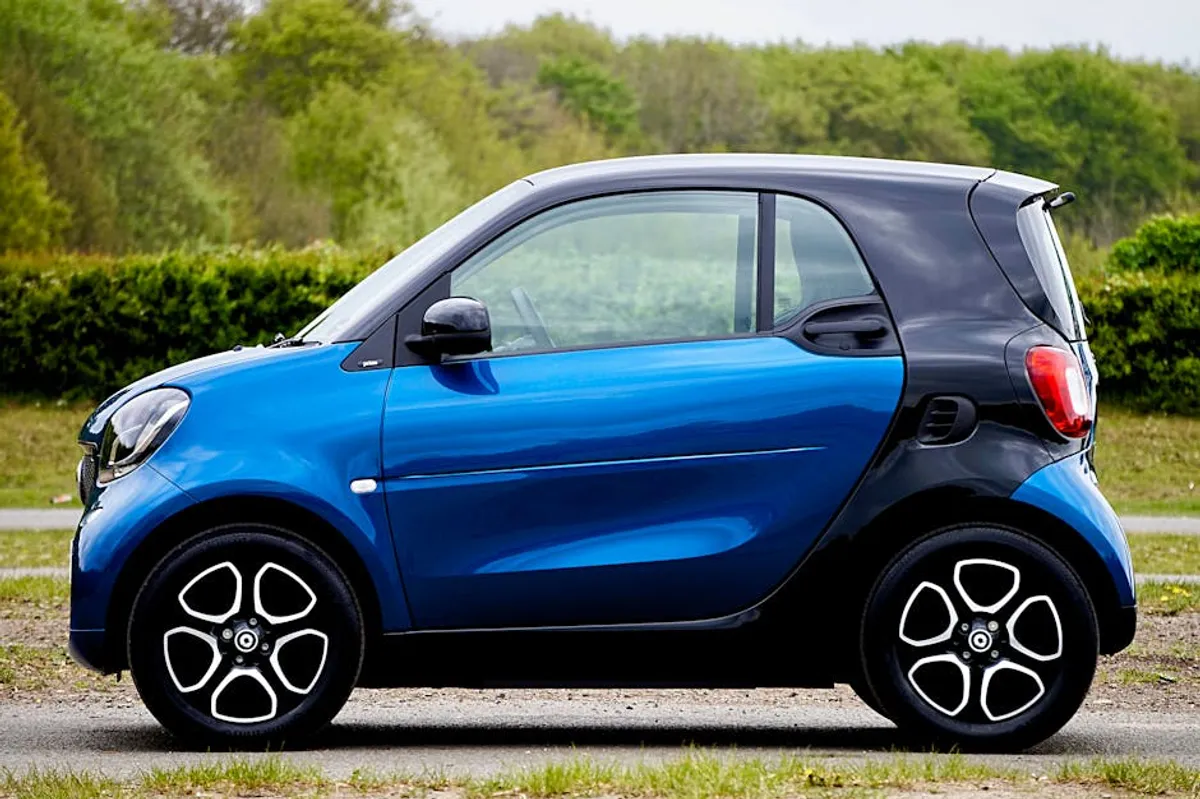
Navigating the urban landscape presents unique challenges for drivers: congested streets, tight parking spaces, and the constant demand for fuel efficiency. For many, a compact vehicle is not just a preference but a necessity, offering a pragmatic solution to these daily realities. The ideal small car for city driving balances diminutive dimensions with surprising interior utility, agile handling, and economical operation, making every commute less of a chore and more of a streamlined experience. This guide cuts through the noise, detailing the leading contenders engineered specifically to thrive in the metropolitan sprawl.
What to Look For in a City Car
Selecting a small car optimized for city driving requires evaluating several key attributes beyond just size. Prioritize these factors to ensure the vehicle truly meets the demands of urban life:
- Compact Dimensions and Turning Radius: Essential for maneuvering through narrow streets and executing tight U-turns. A smaller footprint directly translates to easier parking in constrained spaces.
- Fuel Efficiency: Stop-and-go traffic significantly impacts fuel consumption. Look for models with strong EPA city ratings, often achieved through smaller engines, hybrid powertrains, or efficient transmissions.
- Visibility: Excellent all-around visibility, particularly through large windows and minimal blind spots, is crucial for safely navigating busy intersections and avoiding pedestrians or cyclists. Rearview cameras and parking sensors are valuable aids.
- Agile Handling: A responsive steering system and a suspension tuned for urban conditions can make a significant difference. The car should feel nimble and controllable, not ponderous, when darting through traffic or making quick lane changes.
- Interior Space and Versatility: While small externally, clever interior design can maximize passenger comfort and cargo capacity. Look for features like folding rear seats, adjustable storage solutions, and practical cabin cubbies.
- Technology and Connectivity: Modern city cars often integrate essential tech, including smartphone integration (Apple CarPlay, Android Auto), navigation, and advanced driver-assistance systems (ADAS) like automatic emergency braking or blind-spot monitoring, enhancing safety and convenience.
- Ride Comfort: Despite their size, a good city car should absorb road imperfections effectively, providing a comfortable ride over potholes and uneven surfaces common in urban areas.
1. Honda Fit
The Honda Fit, known as the Jazz in some markets, excels in urban environments due to its innovative "Magic Seat" system and compact exterior dimensions. This subcompact hatchback maximizes interior versatility, offering cargo capacity often rivaling larger vehicles while maintaining a small footprint ideal for navigating congested streets and tight parking spots. Its efficient powertrain contributes to lower running costs, a significant factor for daily city commuters.
Best for: Drivers prioritizing cargo flexibility and fuel efficiency in a compact package.
Pros: Exceptional interior space and configurable seating; reliable and fuel-efficient engine; strong resale value; agile handling in city traffic.
Cons: Engine can feel underpowered on highway merges; interior materials, while durable, are not always premium; road noise can be noticeable at higher speeds.
Verdict: The Fit remains a benchmark for practical urban transport, leveraging clever design to deliver utility that belies its exterior size, making it a highly rational choice for city dwellers.
2. Toyota Yaris
The Toyota Yaris, available in both hatchback and sedan forms, consistently delivers on Toyota's reputation for reliability and fuel economy. Its compact size and tight turning radius make it highly maneuverable in city traffic and easy to park. While not the most powerful option, the Yaris provides a smooth, predictable driving experience, focusing on comfort and low running costs, which are critical attributes for daily urban use. Modern iterations offer improved interior quality and essential safety features.
Best for: Buyers seeking unwavering reliability, strong fuel economy, and straightforward operation in an urban setting.
Pros: Excellent long-term reliability; high fuel efficiency; comfortable ride for its class; good standard safety features; easy to park.
Cons: Acceleration can be modest; interior design, while functional, lacks flair; some competitors offer more cargo space or advanced tech.
Verdict: The Yaris is a no-nonsense choice for city driving, offering peace of mind through its proven durability and economical performance, making it a smart, low-stress option.
3. Kia Rio
The Kia Rio stands out as a value-packed option in the small car segment, offering a compelling blend of style, features, and an industry-leading warranty. Available as a sedan or hatchback, the Rio provides a surprisingly refined interior for its price point, with intuitive infotainment and comfortable seating. Its compact dimensions and responsive steering make it well-suited for urban navigation, while its efficient engine ensures economical daily operation without feeling overly sluggish.
Best for: Budget-conscious buyers desiring a stylish, feature-rich small car with a long warranty.
Pros: Attractive styling; competitive feature set for the price; excellent warranty coverage; good fuel economy; comfortable ride quality.
Cons: Rear seat space is tighter than some rivals; advanced safety features are often optional or limited to higher trims; engine can be noisy under hard acceleration.
Verdict: The Rio delivers significant value, presenting a well-rounded package that combines urban practicality with appealing aesthetics and a strong commitment to owner satisfaction.
4. Hyundai i10
The Hyundai i10 is specifically engineered for European cityscapes, excelling in ultra-compact maneuverability and parking ease. This diminutive hatchback offers a surprisingly spacious and well-appointed cabin, often featuring modern infotainment and connectivity options. Its small-displacement engines are optimized for stop-start traffic, delivering excellent fuel economy and low emissions, making it an ideal choice for dense urban environments where every inch and every drop of fuel counts.
Best for: Drivers in extremely dense urban areas where maximum compactness and parking ease are paramount.
Pros: Exceptional maneuverability and easy parking; surprisingly roomy interior for its size; good fuel economy; modern cabin design and features; high-quality build materials for its class.
Cons: Limited luggage capacity; highway performance can feel strained; not widely available in all global markets.
Verdict: The i10 is a masterclass in urban optimization, proving that a small footprint doesn't necessitate sacrificing comfort or essential features, making it a top contender for genuine city living.
5. Mazda 2
The Mazda 2, known for its "Kodo" design philosophy and "Skyactiv" technology, offers a more engaging driving experience than many of its competitors. While compact, it provides precise steering and a well-tuned chassis that makes city driving enjoyable and agile. The interior is thoughtfully designed with quality materials, contributing to a premium feel. Its efficient engines deliver respectable fuel economy without compromising on Mazda's characteristic driver-centric dynamics, making it a compelling choice for those who still enjoy driving in the city.
Best for: Enthusiastic drivers seeking a small car with engaging dynamics and a premium feel.
Pros: Sporty handling and precise steering; upscale interior design and materials; good fuel efficiency; attractive exterior styling; reliable powertrain.
Cons: Rear passenger space is tighter than some rivals; cargo capacity is average; advanced safety features are often optional.
Verdict: The Mazda 2 proves that a city car doesn't have to be bland, offering a refined and enjoyable driving experience that elevates the daily commute beyond mere transportation.
6. Volkswagen Polo
The Volkswagen Polo consistently sets a high bar in the supermini segment, blending sophisticated design with a mature driving experience. It offers a refined ride quality, even over rough city streets, and a quiet cabin that contributes to a more relaxed commute. The interior features high-quality materials and a logical layout, often including advanced infotainment and driver-assistance systems. Its efficient turbocharged engines provide a good balance of power and economy, making it a versatile choice for both urban and occasional highway driving.
Best for: Drivers seeking a sophisticated, comfortable, and well-built small car with a premium feel.
Pros: Refined ride and quiet cabin; high-quality interior materials; strong safety ratings; efficient and capable engines; mature styling.
Cons: Can be more expensive than some rivals; certain advanced features are often optional; rear visibility can be somewhat compromised.
Verdict: The Polo stands as a benchmark for small car refinement, delivering a driving experience that feels a class above, making it an excellent choice for those who value comfort and quality in their urban transport.
7. Mini Cooper (3-Door)
The Mini Cooper 3-door is an icon of urban style and driving fun, offering unparalleled go-kart-like handling that makes it incredibly engaging on city streets. Its compact dimensions are perfect for navigating tight spaces, and its distinctive design ensures it stands out. While interior space is limited, particularly in the rear, the cabin is packed with character and high-quality materials. For those prioritizing a spirited drive and unique aesthetics over pure practicality, the Mini delivers an experience unlike any other small car.
Best for: Drivers prioritizing driving enjoyment, distinctive style, and a premium, characterful experience.
Pros: Exceptional handling and driving dynamics; iconic, customizable styling; high-quality interior materials; strong brand appeal; easy to park.
Cons: Limited rear passenger and cargo space; higher purchase price and running costs than many rivals; firm ride can be noticeable over rough surfaces.
Verdict: The Mini Cooper is a lifestyle choice for the city, offering an intoxicating blend of performance and personality that transforms every trip into an event, albeit with practical compromises.
8. Fiat 500
The Fiat 500 is a quintessential city car, celebrated for its retro-chic styling and incredibly compact dimensions. It excels in urban environments where parking is at a premium and tight turns are common. While its interior is cozy, it offers a charming design and surprisingly comfortable front seats. Modern versions, especially the electric 500e, enhance its city credentials with zero-emission driving and instant torque, making it even more suitable for stop-and-go traffic. It's a car chosen as much for its character as its practicality.
Best for: Style-conscious drivers seeking maximum compactness, easy parking, and a distinctive European flair.
Pros: Unique, iconic styling; extremely compact and easy to park; nimble handling in city traffic; available electric powertrain for urban efficiency; customizable options.
Cons: Very limited rear seating and cargo capacity; older gasoline models can feel unrefined; firm ride over bumps; limited highway capability.
Verdict: The Fiat 500 is a fashion statement on wheels, perfectly suited for the urban jungle where its small size and distinctive personality make it a joy to own and drive, especially in its electric guise.
9. Chevrolet Spark
The Chevrolet Spark offers an entry point into new car ownership, delivering exceptional value and surprising levels of technology for its price. As one of the smallest and most affordable cars on the market, it's tailor-made for city life, boasting a remarkably tight turning radius and compact dimensions that simplify parking. Despite its small engine, the Spark feels zippy enough for urban speeds, and its standard infotainment system with smartphone integration is a significant draw for budget-conscious buyers.
Best for: First-time buyers or those on a strict budget prioritizing affordability, basic connectivity, and easy city maneuverability.
Pros: Very affordable purchase price; excellent fuel economy; compact size for easy parking; standard Apple CarPlay/Android Auto; decent cargo space with rear seats folded.
Cons: Engine lacks power for highway driving; interior materials are basic; limited advanced safety features; ride can be firm over rough roads.
Verdict: The Spark is a highly practical and economical choice for pure city commuting, proving that a low price doesn't mean sacrificing essential modern conveniences or urban utility.
10. Nissan Versa (Hatchback)
While often known as a sedan, the Nissan Versa hatchback (or Note in some markets) offers a practical and spacious option for city drivers. It prioritizes interior volume and passenger comfort, often providing more rear legroom than many direct competitors. The Versa's continuously variable transmission (CVT) is tuned for smooth acceleration and excellent fuel economy in stop-and-go traffic, making it a sensible choice for daily urban commuting where efficiency and comfort are key. Its straightforward design and reliable mechanics contribute to low ownership costs.
Best for: Drivers prioritizing interior space, comfort, and fuel efficiency at an accessible price point.
Pros: Very spacious interior for its class, especially rear legroom; strong fuel economy with CVT; comfortable ride; good reliability reputation; competitive pricing.
Cons: Engine can feel uninspired; CVT can exhibit drone under heavy acceleration; interior design is functional rather than exciting; some road noise at higher speeds.
Verdict: The Versa hatchback provides a pragmatic and comfortable solution for city driving, offering a generous cabin and economical operation without breaking the bank, making it a solid, understated choice.
11. Suzuki Swift
The Suzuki Swift is a global favorite, renowned for its lightweight construction, peppy engines, and engaging driving dynamics. It strikes an excellent balance between compactness and interior usability, offering enough space for four adults while remaining highly maneuverable in urban settings. The Swift's handling is lively, making it fun to drive, and its efficient powertrains contribute to low running costs. Its distinctive styling and reputation for reliability further enhance its appeal as a versatile city car.
Best for: Drivers seeking a fun-to-drive, lightweight, and efficient city car with a touch of character.
Pros: Agile and fun handling; good fuel economy; distinctive styling; reliable and durable; reasonable interior space for its size; often includes mild-hybrid options.
Cons: Interior materials are generally basic; engine noise can intrude at higher RPMs; limited availability in some markets; cargo space is average.
Verdict: The Swift offers a refreshing blend of sportiness and practicality, proving that a small car can be both economical and genuinely enjoyable, making it a strong contender for those who appreciate a spirited drive.
12. Peugeot 208
The Peugeot 208 stands out with its bold, distinctive styling and a high-tech, premium-feeling interior featuring Peugeot's unique i-Cockpit layout. This supermini offers a comfortable and refined ride, absorbing urban road imperfections with ease. Its range of efficient engines, including fully electric options, provides versatile choices for city dwellers. The 208's compact dimensions and light steering make it adept at navigating congested streets, while its sophisticated design elements elevate the daily commute beyond the ordinary.
Best for: Style-conscious drivers seeking a modern, technologically advanced, and comfortable city car with a distinct European flair.
Pros: Striking exterior design; high-quality, modern interior with i-Cockpit; comfortable ride; efficient engine options, including electric; good maneuverability.
Cons: i-Cockpit layout isn't for everyone (small steering wheel, high-mounted digital dash); rear visibility can be limited; some advanced features are optional.
Verdict: The Peugeot 208 offers a compelling package for the urban driver who values design, comfort, and technology, presenting a sophisticated alternative in the small car segment.
Choosing the Right City Car for Your Needs
The "best" small car for city driving is ultimately subjective, depending on your specific priorities and budget. Begin by honestly assessing your daily commute and typical usage patterns. Do you frequently carry passengers or large items? Is parking a constant struggle? How critical is fuel economy versus outright performance? Once you have a clear understanding of your needs, prioritize the attributes that matter most, whether it's cargo versatility, advanced safety tech, or simply the lowest possible running costs.
Always schedule test drives for your top two or three contenders. Pay close attention to visibility, turning radius, ease of parking, and how the car feels over typical city road surfaces. Evaluate the infotainment system for user-friendliness and ensure the seating position is comfortable for extended periods. Consider the total cost of ownership, including insurance, maintenance, and expected depreciation, alongside the purchase price. By combining research with practical experience, you can confidently select a small car that perfectly complements your urban lifestyle.
Frequently Asked Questions About City Cars
Q: What makes a car good for city driving?
A: Key attributes include compact dimensions for easy parking and maneuverability, a tight turning radius, excellent fuel efficiency for stop-and-go traffic, good all-around visibility, and a comfortable ride over urban road imperfections.
Q: Are small cars safe in the city?
A: Modern small cars are designed with advanced safety features and robust construction. Many models achieve high safety ratings, often including multiple airbags, electronic stability control, and increasingly, advanced driver-assistance systems like automatic emergency braking and blind-spot monitoring.
Q: How much cargo space do city cars typically have?
A: Cargo space varies significantly. Ultra-compact models like the Fiat 500 or Mini Cooper have limited space, often under 10 cubic feet behind the rear seats. Larger subcompact hatchbacks like the Honda Fit or Toyota Yaris can offer 15-20 cubic feet or more, expanding considerably with the rear seats folded down, sometimes rivaling small SUVs.
Q: Is an automatic or manual transmission better for city driving?
A: For most city drivers, an automatic (or continuously variable transmission, CVT) is preferred due to its ease of use in heavy traffic, reducing driver fatigue from constant clutch and gear changes. Manual transmissions can offer more driver engagement and potentially better fuel economy in some cases, but require more effort.
Q: What about electric small cars for the city?
A: Electric small cars are excellent for city driving, offering instant torque for quick acceleration, zero tailpipe emissions, and often lower running costs due to cheaper electricity compared to gasoline. Their typical range is more than sufficient for urban commutes, and charging infrastructure is often more prevalent in cities.