
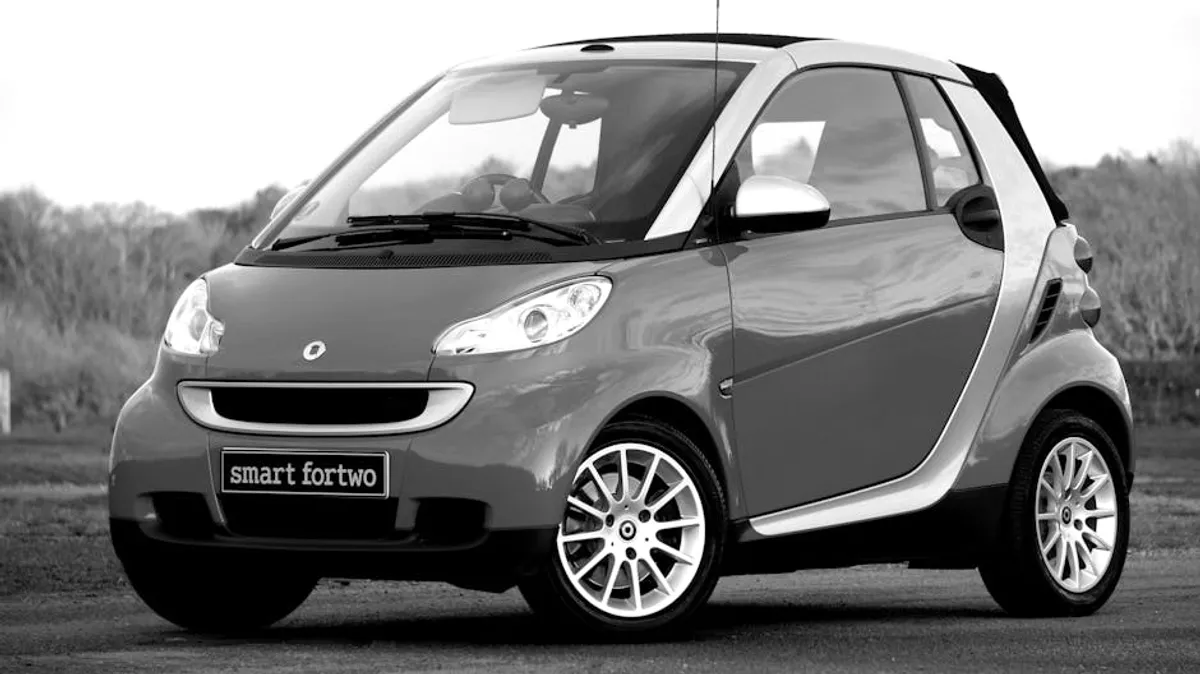
Selecting a small car for city driving and daily commutes involves more than just size; it requires a precise balance of maneuverability, fuel efficiency, practical interior space, and robust safety features. The ideal urban vehicle navigates tight streets and parking spots with ease, minimizes fuel stops, and offers sufficient comfort for routine travel, all while keeping running costs manageable. This guide details leading small cars that excel in these specific criteria, providing a clear breakdown of their strengths and limitations for the discerning urban driver.
Key Considerations for City Cars
Before evaluating specific models, understand the core attributes that define an effective city car. Prioritize these factors to align your choice with daily operational needs and driving conditions.
- Maneuverability: A tight turning radius is paramount for navigating congested streets and executing U-turns without excessive effort. Compact dimensions, especially overall length and width, directly impact the ease of parking in confined spaces.
- Fuel Efficiency: Frequent stop-and-go traffic characteristic of city driving often penalizes larger, less efficient vehicles. Look for models with smaller displacement engines, hybrid options, or efficient automatic transmissions that optimize fuel consumption under varied urban conditions.
- Visibility: Clear sightlines are crucial for avoiding pedestrians, cyclists, and other vehicles in busy urban environments. Large windows, thin pillars, and available features like blind-spot monitoring or rearview cameras significantly enhance situational awareness.
- Cargo Space and Flexibility: While small, an effective city car should offer adaptable cargo solutions for groceries, gym bags, or occasional larger items. Features like split-folding rear seats or a low load floor enhance utility.
- Technology and Connectivity: Modern city driving often benefits from integrated navigation, smartphone mirroring (Apple CarPlay, Android Auto), and advanced driver-assistance systems (ADAS) like automatic emergency braking or lane-keeping assist, which mitigate common urban driving risks.
- Ride Comfort: Despite their compact size, a good city car should absorb minor road imperfections effectively, providing a comfortable ride over varied urban surfaces without excessive harshness.
1. Honda Fit
The Honda Fit (also known as the Jazz in some markets) consistently stands out for its exceptional interior versatility and intelligent packaging. Despite its subcompact exterior, the Fit’s "Magic Seat" system allows for multiple cargo and passenger configurations, including a tall mode for vertical items and a long mode for extended objects. This adaptability makes it highly practical for diverse daily tasks, from grocery runs to transporting small furniture.
Best for: Urban dwellers prioritizing adaptable cargo space and fuel efficiency.
Pros:
- Unmatched interior flexibility and cargo capacity for its class.
- Reliable and efficient powertrain, offering strong fuel economy.
- Nimble handling and compact dimensions make city driving effortless.
- Strong reputation for durability and resale value.
Cons:
- Engine can feel underpowered during highway acceleration.
- Interior materials are functional but lack premium finishes.
- Road noise can be noticeable at higher speeds.
Verdict: The Honda Fit is a highly practical and intelligent choice for city living, offering unparalleled utility in a small footprint. Its versatility outweighs its modest power, making it a smart investment for urban logistics.
2. Toyota Yaris
The Toyota Yaris is a perennial contender in the small car segment, primarily known for its unwavering reliability and low ownership costs. It offers a straightforward driving experience with a focus on efficiency and dependability. Available in hatchback and sedan configurations, the Yaris provides a comfortable ride and sufficient features for daily commuting, backed by Toyota's extensive service network.
Best for: Drivers seeking bulletproof reliability, low maintenance, and excellent fuel economy.
Pros:
- Exceptional long-term reliability and high resale value.
- Very good fuel efficiency, particularly in hybrid variants available in some markets.
- Comfortable ride quality for its segment.
- Standard safety features often include pre-collision systems.
Cons:
- Engine performance is adequate but not spirited.
- Interior design can feel dated compared to newer rivals.
- Rear passenger space is tighter than some competitors.
Verdict: The Toyota Yaris is a sensible and dependable choice for city commuters who value peace of mind and minimal running costs above all else. It consistently delivers on its promise of reliable, efficient transport.
3. Hyundai i10
The Hyundai i10 represents a strong value proposition in the city car segment, blending compact dimensions with a surprisingly spacious and well-appointed interior. It offers a comfortable ride, intuitive controls, and a suite of modern features, often at a competitive price point. The i10 is designed specifically for urban environments, excelling in maneuverability and ease of parking.
Best for: Budget-conscious buyers seeking a well-equipped, agile city car with a good warranty.
Pros:
- Compact size and light steering make it highly maneuverable in tight spaces.
- Surprisingly spacious and refined interior for its class.
- Generous standard features and available safety technology.
- Backed by a robust warranty package.
Cons:
- Engine options prioritize economy over performance.
- Limited cargo capacity compared to larger subcompacts.
- Road noise can be noticeable at highway speeds.
Verdict:cThe Hyundai i10 delivers significant value, offering a sophisticated and practical city driving experience without a premium price tag. It’s an excellent choice for navigating urban landscapes efficiently and comfortably.
4. Kia Rio
The Kia Rio offers a compelling package for city drivers, combining a stylish design with a practical and comfortable interior. Available as a sedan or hatchback, the Rio provides a more engaging driving experience than some rivals while maintaining strong fuel efficiency. Its intuitive infotainment system and available advanced safety features enhance its appeal as a daily commuter.
Best for: Drivers seeking a stylish, well-rounded small car with good features and a long warranty.
Pros:
- Attractive design and a more upscale interior feel.
- Balanced ride and handling, offering a comfortable yet composed drive.
- Standard infotainment with smartphone integration.
- Excellent warranty coverage provides long-term assurance.
Cons:
- Engine can feel underpowered when fully loaded or on steep inclines.
- Rear legroom is adequate but not expansive.
- Some advanced safety features are optional or limited to higher trims.
Verdict: The Kia Rio is a strong contender that offers a blend of style, practicality, and value. It’s a smart choice for urban commuters who appreciate a car that looks good and performs reliably without breaking the bank.
5. Volkswagen Polo
The Volkswagen Polo brings a touch of European sophistication and refinement to the small car segment. It offers a mature driving experience with a solid build quality, comfortable ride, and a well-designed interior that feels more premium than many competitors. The Polo’s precise steering and composed chassis make it enjoyable both in the city and on longer stretches of road.
Best for: Drivers who prioritize a refined driving experience, solid build quality, and understated style.
Pros:
- High-quality interior materials and excellent build quality.
- Refined ride comfort and stable handling characteristics.
- Efficient and responsive turbocharged engine options.
- Sophisticated infotainment and safety technologies.
Cons:
- Typically higher purchase price than some Asian rivals.
- Maintenance costs can be slightly higher.
- Rear legroom is good, but not class-leading.
Verdict: The Volkswagen Polo stands out for its premium feel and driving dynamics, offering a more grown-up experience in a compact package. It’s an ideal choice for those who want a small car without compromising on refinement or driving pleasure.
6. Mini Cooper
The Mini Cooper is synonymous with distinctive style and engaging driving dynamics. Its iconic design, combined with go-kart-like handling, makes it one of the most fun-to-drive small cars available. While not the most practical in terms of interior space, the Mini excels in personality and agility, making every city drive an event. Its premium interior materials and customization options further set it apart.
Best for: Drivers prioritizing style, engaging driving dynamics, and a premium, customizable experience.
Pros:
- Unparalleled driving fun and precise, agile handling.
- Distinctive, iconic styling with extensive customization options.
- High-quality interior materials and craftsmanship.
- Strong engine performance, especially in Cooper S variants.
Cons:
- Higher purchase price and potentially higher running costs.
- Limited rear passenger and cargo space, especially in the 3-door model.
- Firm ride can be less comfortable on rough city streets.
Verdict: The Mini Cooper is for the driver who views their car as an extension of their personality. It sacrifices some practicality for an unmatched blend of style, performance, and pure driving enjoyment in the urban landscape.
7. Fiat 500
The Fiat 500 charms with its retro-inspired design and incredibly compact dimensions, making it one of the easiest cars to park and maneuver in congested city centers. It’s a car that prioritizes style and urban convenience, offering a unique character that stands out from more conventional small cars. While its interior space is limited, its small footprint is its greatest asset for urban navigation.
Best for: Drivers seeking maximum city maneuverability, distinctive retro style, and easy parking.
Pros:
- Extremely compact, making parking and navigating tight spaces effortless.
- Unique, iconic retro styling that offers significant personality.
- Available in convertible (500C) for open-air city driving.
- Surprisingly good turning circle.
Cons:
- Very limited rear passenger and cargo space.
- Ride quality can be firm, and highway cruising is less refined.
- Infotainment system can feel dated compared to rivals.
Verdict: The Fiat 500 is a niche but effective city car for those who prioritize style and ultra-compact dimensions. It’s a statement car that excels in the most densely packed urban environments, though practicality takes a backseat.
8. Mazda 2
The Mazda 2 (also known as the Demio in some markets) embodies Mazda's "Jinba Ittai" philosophy, aiming for a harmonious connection between car and driver. It offers a more engaging and refined driving experience than many small cars, with precise steering and a well-tuned chassis. Its interior is thoughtfully designed with quality materials, and its Skyactiv engine technology delivers a good balance of power and fuel efficiency.
Best for: Drivers who appreciate engaging driving dynamics, quality interiors, and fuel efficiency in a compact package.
Pros:
- Engaging driving dynamics and precise steering.
- High-quality interior materials and ergonomic design.
- Excellent fuel efficiency from Skyactiv engine technology.
- Attractive exterior styling.
Cons:
- Rear passenger space is tighter than some competitors.
- Cargo space is adequate but not class-leading.
- Engine can be noisy when pushed hard.
Verdict: The Mazda 2 is an excellent choice for those who want a small car that is genuinely enjoyable to drive, without sacrificing fuel economy or interior quality. It offers a premium feel and dynamic performance in a city-friendly size.
9. Suzuki Swift
The Suzuki Swift is a lightweight and agile hatchback known for its spirited driving character and excellent fuel economy. It's a fun-to-drive car that feels at home on narrow city streets, offering responsive handling and a surprisingly peppy engine. The Swift also benefits from Suzuki's reputation for reliability and often comes with a competitive price tag, making it a strong value proposition.
Best for: Drivers seeking an affordable, fun-to-drive, and highly maneuverable city car with good fuel economy.
Pros:
- Lightweight and agile, providing a fun and responsive driving experience.
- Excellent fuel efficiency, especially with mild-hybrid options.
- Compact dimensions make it easy to park and navigate urban traffic.
- Good value for money and reliable performance.
Cons:
- Interior materials are functional but not luxurious.
- Limited boot space compared to some rivals.
- Road noise can be prominent at higher speeds.
Verdict: The Suzuki Swift is a compelling option for those who prioritize a lively driving experience and efficiency in a practical, no-frills package. It’s a smart, economical choice for daily urban commutes.
10. Chevrolet Spark
The Chevrolet Spark is one of the most affordable new cars available, offering a compelling entry point into vehicle ownership without sacrificing essential features. Its ultra-compact size makes it exceptionally easy to park and maneuver in tight city spaces. Despite its low price, the Spark typically includes modern infotainment features like Apple CarPlay and Android Auto as standard, enhancing its value for daily use.
Best for: Budget-conscious buyers needing an extremely affordable, highly maneuverable city car with essential tech.
Pros:
- Very low starting price, making it highly accessible.
- Extremely compact dimensions for effortless city parking.
- Standard infotainment with smartphone integration.
- Good fuel economy for urban driving.
Cons:
- Limited engine power, especially for highway driving.
- Interior materials are basic, reflecting its price point.
- Rear passenger space is among the smallest in its class.
Verdict: The Chevrolet Spark is an excellent choice for drivers who need a new, highly affordable car primarily for city driving. It delivers essential functionality and convenience in a remarkably small and manageable package.
11. Nissan Versa
The Nissan Versa stands out for offering a spacious interior and a comfortable ride at a highly competitive price point, particularly in its sedan form. It prioritizes practicality and comfort for daily commutes, with ample trunk space and sufficient rear legroom for its class. The Versa also integrates modern safety technologies and a user-friendly infotainment system, making it a well-rounded option for urban and suburban drivers.
Best for: Value-oriented buyers needing a spacious, comfortable, and affordable small car for city and occasional highway use.
Pros:
- Spacious interior with good rear legroom for its class.
- Large trunk capacity, especially for a small sedan.
- Comfortable ride quality, absorbing road imperfections well.
- Competitive pricing and good fuel efficiency.
Cons:
- Engine can feel underpowered during spirited acceleration.
- Base models may lack some desired features.
- CVT transmission can be noisy under hard acceleration.
Verdict: The Nissan Versa provides excellent value by offering a generous amount of space and comfort for its price. It’s a practical and economical choice for daily commuting, especially for those who occasionally carry rear passengers or need ample cargo room.
12. Ford Fiesta
The Ford Fiesta, particularly in its hatchback form, has long been celebrated for its engaging driving dynamics and refined ride quality, setting a benchmark in the small car segment. It offers precise steering, a well-tuned suspension, and a range of efficient engines that make it a joy to drive both in the city and on winding roads. Its interior is well-designed and features intuitive technology, contributing to a premium feel for its class.
Best for: Drivers seeking a fun-to-drive, agile, and stylish small car with a quality interior and good fuel economy.
Pros:
- Exceptional driving dynamics and agile handling.
- Refined ride quality that balances comfort and sportiness.
- High-quality interior materials and ergonomic design.
- Efficient engine options, including turbocharged variants.
Cons:
- Rear legroom is adequate but not class-leading.
- Cargo space is competitive but not outstanding.
- Some advanced safety features are optional.
Verdict: The Ford Fiesta remains a top choice for those who prioritize an enjoyable driving experience in a small, practical package. It delivers a level of sophistication and engagement often found in larger, more expensive vehicles.
Finalizing Your Small Car Choice
After reviewing potential models, the next step involves personalized evaluation. Arrange test drives for your top two or three choices. Pay close attention to how each vehicle feels in typical driving scenarios: parking, navigating traffic, and accelerating from a stop. Evaluate seat comfort, visibility, and the ease of using infotainment and climate controls. Consider the total cost of ownership, including insurance, routine maintenance, and expected fuel expenses. Research local incentives, warranty terms, and available trim levels to ensure the chosen model aligns with both your budget and specific feature requirements.
Frequently Asked Questions
What defines a "small car" for city driving?
A small car for city driving typically refers to subcompact or compact vehicles, generally under 4 meters (13 feet) in length, with a tight turning radius, efficient engines, and compact dimensions that facilitate easy parking and maneuverability in congested urban environments.
Are electric small cars a good option for city driving?
Yes, electric small cars are often excellent for city driving. They offer instant torque for quick acceleration in traffic, zero tailpipe emissions, and lower running costs due to cheaper electricity compared to gasoline. Their limited range is less of a concern for daily urban commutes, and many offer compact dimensions ideal for city parking.
What safety features are essential in a city car?
Essential safety features include anti-lock brakes (ABS), electronic stability control (ESC), multiple airbags, and a rearview camera. Increasingly important are advanced driver-assistance systems (ADAS) like automatic emergency braking, forward collision warning, blind-spot monitoring, and rear cross-traffic alert, which significantly reduce the risk of common urban accidents.
How important is fuel economy for a daily commuter car?
Fuel economy is highly important for a daily commuter, especially in a city car. Frequent stop-and-go traffic can significantly impact fuel consumption. Opting for a car with higher MPG (miles per gallon) or lower L/100km (liters per 100 kilometers) directly translates to lower operating costs and fewer trips to the fuel station over time, making it a key factor in overall affordability.