
Acquiring a used car represents a significant investment, often chosen for its immediate value proposition over a new vehicle. However, the true cost of ownership, and indeed its longevity, hinges significantly on the maintenance regimen initiated immediately after purchase. Unlike new vehicles with transparent service histories and factory warranties, a used car introduces variables related to its past care. Proactive, systematic maintenance post-acquisition is not merely a recommendation; it is a critical strategy for mitigating unforeseen repair costs, ensuring operational reliability, and preserving the vehicle's resale value over time. Establishing a comprehensive maintenance baseline from day one allows owners to understand their vehicle's true condition and address potential issues before they escalate into expensive failures, transforming a smart purchase into a sustainable asset.
Establishing a Baseline: Your First Steps
Before embarking on specific maintenance tasks, establishing a clear baseline for your newly acquired used vehicle is paramount. This initial phase involves gathering information and performing foundational checks that inform subsequent actions. Without a reliable service history, assume that critical maintenance items may have been overlooked or deferred. Your primary objective is to transition the vehicle from an unknown maintenance state to a known, well-serviced condition, providing a clean slate for future care. This proactive approach minimizes the risk of inheriting costly, latent issues and ensures the vehicle is prepared for consistent, reliable operation under your ownership.
Reviewing Available Documentation
Begin by thoroughly examining any service records, owner's manuals, or inspection reports provided by the seller. These documents offer invaluable insights into the vehicle's past maintenance schedule, known issues, and recommended service intervals. Pay close attention to dates, mileage, and the types of services performed. The owner's manual, even for an older vehicle, remains the definitive guide for manufacturer-recommended fluids, parts, and maintenance schedules. If no records are available, this step underscores the necessity for a more comprehensive initial inspection and fluid refresh.
Professional Pre-Purchase Inspection (PPI) Follow-Up
If a pre-purchase inspection by an independent mechanic was conducted, review its findings meticulously. The PPI report outlines existing conditions, potential immediate repairs, and upcoming maintenance needs. Prioritize addressing any "red flag" items identified in the report, as these often represent safety concerns or issues that could lead to more significant damage if neglected. Even if you purchased without a PPI, consider a comprehensive post-purchase inspection to establish this baseline, especially if the vehicle's history is opaque.
Understanding Your Driving Habits
Consider how you intend to use the vehicle. Frequent short trips, heavy towing, or driving in extreme temperatures constitute "severe service" conditions, which often necessitate more frequent maintenance than standard schedules. Your driving habits should inform the urgency and frequency of certain maintenance tasks, such as oil changes or brake inspections, ensuring the vehicle is appropriately prepared for its intended operational demands.
1. Fluid Refresh: Engine Oil, Coolant, and More
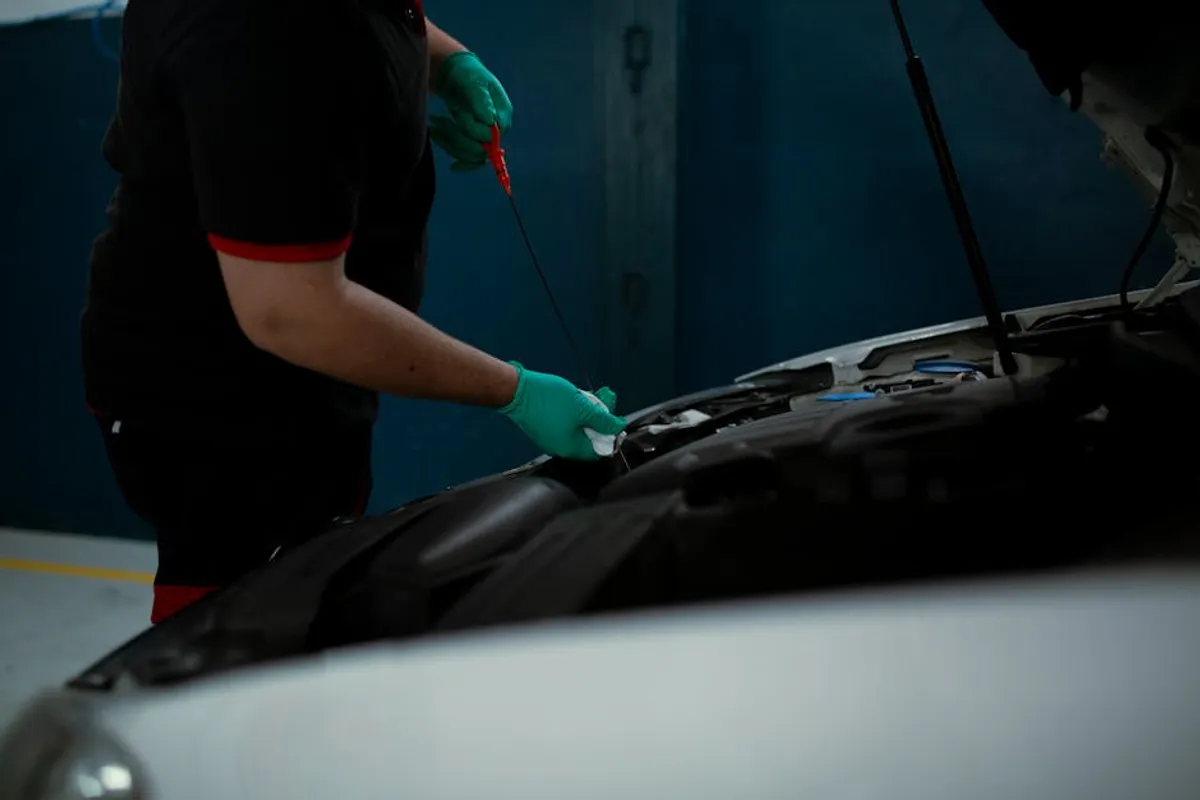
Replacing essential fluids is often the most critical initial maintenance step for a used car, especially when its service history is incomplete or unknown. Fluids degrade over time and mileage, losing their lubricating, cooling, or hydraulic properties. A comprehensive fluid refresh establishes a clean baseline, ensuring all critical systems operate with optimal protection and efficiency, mitigating the risk of premature component wear and costly failures.
Best For: All used car purchases, particularly those without comprehensive service records or with an unknown maintenance history. It's especially crucial for vehicles showing signs of neglect or those with high mileage.
Pros: Prevents premature wear of critical components (engine, transmission, brakes), ensures optimal engine and transmission performance, extends vehicle lifespan, provides a clean baseline for future maintenance tracking, and can improve fuel efficiency. Fresh coolant protects against overheating and corrosion, while new brake fluid ensures consistent stopping power.
Cons: Initial cost can be higher if multiple fluids require changing simultaneously. Some fluids (e.g., transmission fluid, differential fluid) require specialized tools or knowledge, making DIY less feasible for some owners.
Verdict: A foundational step. Investing in a complete fluid refresh (engine oil, oil filter, coolant, brake fluid, power steering fluid, and potentially transmission fluid) establishes a known maintenance baseline, mitigating risks associated with neglected prior ownership and ensuring immediate operational reliability and component longevity.
2. Tire Health: Inspection, Pressure, and Alignment
Tires are the sole point of contact between your vehicle and the road, directly impacting safety, handling, and fuel economy. A thorough inspection and proper maintenance of tires are non-negotiable for any used car. Uneven wear, incorrect pressure, or misalignment can compromise vehicle stability, increase stopping distances, and accelerate tire degradation, leading to premature replacement costs.
Best For: Every used car owner, as tire condition directly affects safety and driving dynamics. Essential for vehicles with unknown tire age or inconsistent wear patterns.
Pros: Enhances vehicle safety through improved grip and braking performance, extends tire lifespan, improves fuel efficiency, ensures consistent handling and ride comfort, and reduces the risk of blowouts. Proper alignment prevents uneven tire wear and steering issues.
Cons: Replacement of worn tires can be a significant immediate expense. Alignment services add to initial costs. Regular pressure checks require owner diligence.
Verdict: Critical for safety and long-term cost savings. A comprehensive tire check—including tread depth, pressure, age, and a professional alignment—should be among the first items addressed. This ensures predictable handling and maximizes the life of existing or new tires.
3. Brake System Integrity: Pads, Rotors, and Lines
The brake system is paramount for vehicle safety. Its components—pads, rotors, calipers, and fluid lines—are subject to wear and tear over time and mileage. A used car's brake system may have components near the end of their service life, or fluid contamination could compromise performance. A thorough inspection ensures reliable stopping power and prevents catastrophic failure.
Best For: All used car owners, especially those purchasing vehicles with high mileage or those exhibiting any unusual braking noises, vibrations, or pedal feel during a test drive.
Pros: Ensures maximum stopping power and vehicle safety, prevents costly damage to other brake components, provides peace of mind, and contributes to a smoother, quieter braking experience. Addressing issues early avoids more extensive repairs.
Cons: Brake component replacement (pads, rotors, calipers) can be expensive, particularly if multiple axles require service. Brake fluid flushing requires specific equipment.
Verdict: Non-negotiable for safety. A complete brake system inspection, including pad and rotor wear, caliper function, and brake fluid condition, must be performed. Replace any components showing significant wear or damage to ensure reliable and safe operation.
4. Battery Performance: Testing and Replacement
The battery is the heart of a vehicle's electrical system, responsible for starting the engine and powering accessories. Batteries have a finite lifespan, typically 3-5 years, which can be shortened by extreme temperatures or frequent short trips. A failing battery can lead to inconvenient breakdowns and potential damage to other electrical components.
Best For: Any used car, particularly those where the battery's age is unknown, or the vehicle has been sitting for an extended period. Essential for cars in climates with extreme hot or cold temperatures.
Pros: Prevents unexpected breakdowns and starting issues, ensures reliable operation of all electrical systems, provides peace of mind, and can prevent damage to the starter or alternator caused by a weak battery.
Cons: Battery replacement is an immediate cost. Proper disposal of old batteries is necessary. Some modern vehicles require battery registration after replacement, adding complexity.
Verdict: A simple yet crucial check. Have the battery load-tested by a professional. If its age is uncertain or it shows signs of weakness, proactive replacement is a wise investment to avoid being stranded and protect other electrical components.
5. Filter Replacements: Air, Cabin, Fuel
Filters are designed to trap contaminants, preventing them from entering critical systems. Over time, these filters become clogged, impeding performance and potentially causing damage. Replacing air, cabin, and fuel filters ensures clean air for the engine and occupants, and clean fuel delivery, which is vital for engine longevity and efficiency.
Best For: All used cars, especially those with unknown service histories. Particularly important for vehicles operated in dusty environments or areas with poor air quality.
Pros: Improves engine performance and fuel efficiency (air filter), enhances interior air quality and HVAC system efficiency (cabin filter), protects fuel injectors and engine components from contaminants (fuel filter), and extends the life of various vehicle systems.
Cons: Minor cost for each filter. Some fuel filters can be difficult to access and replace, requiring professional assistance.
Verdict: Cost-effective and highly beneficial. Replacing all filters is an inexpensive way to improve engine efficiency, protect critical components, and enhance the cabin environment. This provides a fresh start for air and fuel intake, contributing to overall vehicle health.
6. Ignition System: Spark Plugs and Coils
The ignition system is responsible for igniting the air-fuel mixture in the engine's cylinders, a process critical for combustion and engine operation. Worn spark plugs or failing ignition coils can lead to misfires, reduced fuel efficiency, decreased power, and increased emissions. Addressing these components ensures smooth engine operation.
Best For: Used cars with over 60,000 miles, especially if the service history doesn't explicitly state recent spark plug replacement. Vehicles exhibiting rough idling, hesitation, or reduced fuel economy.
Pros: Restores optimal engine performance and fuel efficiency, reduces emissions, eliminates misfires and rough idling, and extends the life of catalytic converters by preventing unburnt fuel from entering the exhaust.
Cons: Spark plug replacement can be time-consuming, especially on engines with difficult-to-access plugs. Ignition coils can be expensive if multiple need replacement.
Verdict: Important for engine health and efficiency. If service records are absent or indicate high mileage since the last replacement, inspecting and potentially replacing spark plugs is a prudent step. Address any associated ignition coils if symptoms persist or diagnostic codes indicate failure.
7. Belts and Hoses: Visual Inspection and Replacement
Rubber components like serpentine belts, timing belts, and various hoses (radiator, heater, vacuum) are critical for engine operation, cooling, and accessory function. These components degrade and crack over time due and exposure to heat and chemicals. Failure of a belt or hose can lead to immediate breakdowns, engine overheating, or loss of power steering/alternator function.
Best For: All used cars, with particular attention to vehicles over five years old or those with high mileage, where rubber components are more likely to be brittle or cracked.
Pros: Prevents unexpected breakdowns, engine overheating, and loss of critical functions (e.g., power steering, charging system). Extends engine life by ensuring proper cooling and accessory operation. Proactive replacement is significantly less costly than emergency repairs.
Cons: Timing belt replacement is a complex and expensive service, often requiring specialized tools and significant labor. Serpentine belt and hose replacement costs are generally moderate.
Verdict: A critical preventative measure. Conduct a thorough visual inspection for cracks, fraying, or bulging. Replace any suspect belts or hoses immediately. If the timing belt service interval is due or unknown, prioritize its replacement to prevent catastrophic engine damage.
8. Suspension and Steering Components Check
The suspension and steering systems contribute significantly to ride comfort, handling, and safety. Worn shocks, struts, control arm bushings, tie rods, or ball joints can lead to poor handling, uneven tire wear, and compromised stability. These components often degrade gradually, making their condition easy to overlook without a dedicated inspection.
Best For: Used cars with higher mileage, those that have been driven on rough roads, or vehicles exhibiting noticeable clunks, squeaks, excessive body roll, or vague steering.
Pros: Improves ride comfort, enhances vehicle handling and stability, prevents uneven tire wear, and ensures predictable steering response. Addressing issues early can prevent more extensive and costly repairs to interconnected components.
Cons: Suspension and steering component replacement can be expensive, especially if multiple parts are worn. Requires professional diagnosis and repair, as alignment is often necessary afterward.
Verdict: Essential for safety and driving dynamics. Have a mechanic inspect all suspension and steering components for wear. Prioritize replacement of any parts that compromise safety or significantly degrade handling, as these issues can escalate into more dangerous and expensive problems.
9. Electrical and Lighting System Functionality
Modern vehicles rely heavily on complex electrical systems, and even seemingly minor issues can impact safety and functionality. Beyond the battery, checking all lights (headlights, taillights, brake lights, turn signals, interior lights), fuses, and basic electrical functions ensures safe operation, compliance with regulations, and comfort. Faulty wiring or sensors can also lead to diagnostic trouble codes.
Best For: All used cars, particularly those with a history of electrical issues or vehicles where interior electronics seem erratic. Important for ensuring compliance with road safety regulations.
Pros: Ensures safe nighttime driving and proper signaling, prevents fines for non-functional lights, verifies proper operation of essential accessories, and can reveal underlying electrical problems before they cause major failures.
Cons: Diagnosing complex electrical issues can be time-consuming and expensive. Some modern headlight assemblies are costly to replace.
Verdict: A straightforward but important check. Verify the function of every light and essential electrical accessory. Replace any non-functional bulbs or blown fuses. If persistent electrical issues are present, a professional diagnostic scan is warranted to uncover deeper problems.
10. Wiper Blades and Washer System Efficacy
Clear visibility is critical for safe driving, and the wiper system is your primary defense against rain, snow, and road grime. Worn wiper blades streak, chatter, or fail to clear the windshield effectively, significantly impairing visibility. A non-functional washer system compounds this problem. These are often overlooked but inexpensive items with a direct impact on safety.
Best For: All used cars. Essential before driving in inclement weather or during seasons when rain or snow is common.
Pros: Ensures clear visibility in adverse weather conditions, significantly enhances driving safety, is a very inexpensive and easy DIY replacement, and prevents scratches on the windshield from worn blades.
Cons: Requires periodic replacement, typically every 6-12 months. Washer fluid reservoir can freeze in cold weather if not filled with appropriate fluid.
Verdict: A simple, high-impact safety item. Replace wiper blades if they show any signs of wear, streaking, or chattering. Ensure the washer fluid reservoir is full and the spray nozzles are clear and properly aimed. This small investment pays significant dividends in safety.
11. Undercarriage Inspection: Rust and Exhaust
The undercarriage of a used car can reveal much about its past life, particularly regarding exposure to road salt or rough conditions. Inspecting for rust, especially on structural components, brake lines, and fuel lines, is crucial. The exhaust system should also be checked for leaks, corrosion, or damage, as this can affect emissions, engine performance, and cabin safety (carbon monoxide).
Best For: Used cars from regions with heavy road salt use or those with a history of off-road driving. Important for any vehicle where structural integrity is a concern.
Pros: Identifies potential safety hazards from structural rust or compromised brake/fuel lines. Detects exhaust leaks that can affect engine performance or introduce carbon monoxide into the cabin. Helps assess the vehicle's long-term structural integrity.
Cons: Extensive rust repair can be prohibitively expensive, potentially making the vehicle a poor investment. Exhaust system repairs can also be costly depending on the extent of damage.
Verdict: Essential for long-term viability and safety. A professional undercarriage inspection for rust, particularly on critical components, and exhaust system integrity is vital. Significant structural rust or severe exhaust leaks warrant immediate attention, potentially influencing the overall value proposition of the vehicle.
12. Reviewing Service History and Owner's Manual
Even if initial records were sparse, a deeper dive into the vehicle's service history, if obtainable, can provide context for its current state. The owner's manual remains the authoritative source for understanding your specific vehicle's maintenance requirements, fluid specifications, and operational quirks. Familiarity with these documents empowers you to make informed decisions about ongoing care.
Best For: All used car owners, as it provides the roadmap for correct and timely maintenance, avoiding guesswork and potential damage from incorrect procedures or fluids.
Pros: Provides specific manufacturer recommendations for all maintenance intervals and fluid types, clarifies warning lights and vehicle features, helps track past repairs, and empowers owners to perform basic checks accurately.
Cons: Obtaining complete service history can be challenging if the previous owner did not maintain records or if the vehicle changed hands multiple times. Reading a manual takes time.
Verdict: Foundational knowledge. Dedicate time to review the owner's manual for your specific make and model. If a service history can be partially reconstructed (e.g., through dealership records or CarFax/AutoCheck reports), it offers invaluable context for future maintenance planning and budget allocation.
13. Diagnostic Scan: Uncovering Hidden Issues
Modern vehicles are equipped with sophisticated onboard diagnostic (OBD-II) systems that monitor various engine and transmission parameters. While the "Check Engine" light indicates an obvious problem, a professional diagnostic scan can reveal pending or historical trouble codes that haven't yet triggered a warning light. This can uncover latent issues that might become problematic down the line.
Best For: Any used car, especially those purchased without a comprehensive pre-purchase inspection or those exhibiting subtle performance anomalies that are not immediately obvious.
Pros: Identifies potential issues before they manifest as major failures, provides specific codes that direct technicians to problem areas, helps confirm the health of various sensors and emissions components, and can reveal past problems that were cleared but not fixed.
Cons: Requires specialized OBD-II scanning equipment, typically performed by a mechanic. Codes only indicate a system malfunction, not necessarily the exact faulty component, requiring further diagnosis.
Verdict: A valuable preventative measure. A full diagnostic scan provides a digital snapshot of the vehicle's health, potentially uncovering hidden electrical or emissions-related issues that could lead to costly repairs or affect long-term reliability. This is particularly useful for complex modern vehicles.
Sustaining Value: Long-Term Maintenance Planning
After addressing the immediate post-purchase maintenance items, the next critical step is to establish a sustainable long-term maintenance plan. This proactive strategy is essential for maximizing the lifespan of your used vehicle, preserving its operational integrity, and optimizing its resale value. Success in long-term maintenance is measured not just by avoiding breakdowns, but by consistent, scheduled care that prevents issues from escalating.
Creating a Maintenance Schedule
Utilize the owner's manual and the insights gained from your initial inspections to create a personalized maintenance schedule. This schedule should outline service intervals for oil changes, tire rotations, filter replacements, and more extensive services like timing belt replacement or transmission fluid flushes. Documenting these services, including dates and mileage, provides a clear record for future reference and significantly enhances the vehicle's value when it's time to sell.
Choosing the Right Service Provider
Selecting a reputable mechanic or service center is as important as the maintenance itself. Look for shops with ASE-certified technicians, transparent pricing, and positive customer reviews. A good mechanic will not only perform the necessary services but also provide honest assessments and recommendations for future maintenance, helping you prioritize repairs and budget effectively. Avoid shops that push unnecessary services or fail to provide clear explanations for their recommendations.
Regular Self-Checks and Monitoring
Empower yourself with basic knowledge to perform routine checks between professional service appointments. Regularly check fluid levels (oil, coolant, washer fluid), tire pressure, and the condition of lights and wipers. Listen for unusual noises, feel for changes in handling, and pay attention to any warning lights on the dashboard. Early detection of potential issues can prevent them from becoming major problems, allowing for timely and often less expensive repairs.
Budgeting for Future Maintenance
Anticipate and budget for ongoing maintenance and potential repairs. Used cars, by their nature, will eventually require component replacements beyond routine services. Setting aside a dedicated fund for vehicle maintenance helps absorb these costs without financial strain, ensuring you can address issues promptly and maintain the vehicle's reliability. A general rule of thumb is to budget 1-2% of the vehicle's purchase price annually for maintenance.
Frequently Asked Questions
How soon after buying a used car should I perform these maintenance tips?
Ideally, perform the most critical checks and fluid changes (oil, filters, brakes, tires) within the first few days or weeks of ownership, especially if the service history is unknown. A comprehensive inspection by an independent mechanic should be a top priority to establish a baseline.
Is it always necessary to change all fluids immediately?
While not always strictly "necessary" if you have verifiable, recent service records, it's highly recommended for peace of mind and to establish a known maintenance baseline. Fluids degrade over time and mileage, and a full refresh ensures optimal protection and performance from day one of your ownership.
Should I take my used car to a dealership for maintenance or an independent mechanic?
Both options have merits. Dealerships often have specialized tools and brand-specific knowledge, but independent mechanics can offer competitive pricing and personalized service. For complex issues or warranty-related work on newer used cars, a dealership might be preferable. For general maintenance and most repairs, a trusted independent shop is often an excellent choice.