
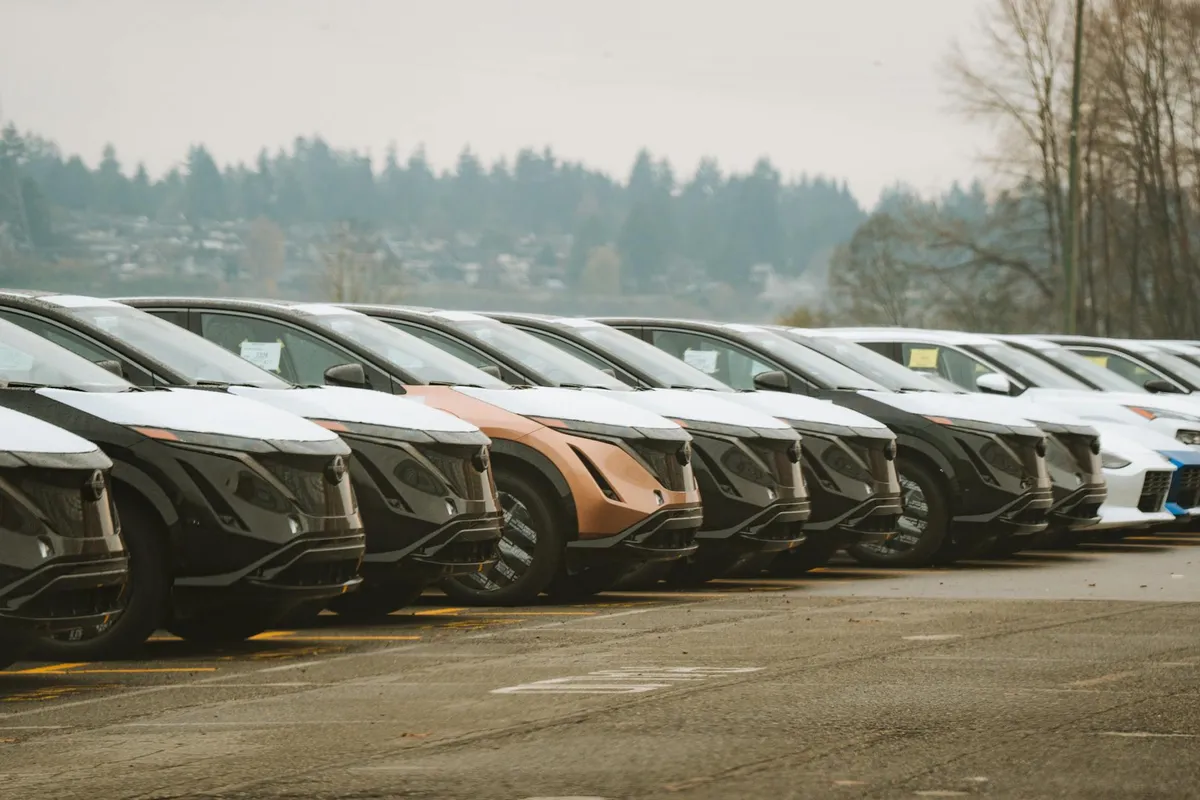
Most "best used car" lists are vague and outdated. Here are six specific used vehicles I'd buy or recommend right now in the current market, plus three that get recommended elsewhere but that I'd avoid based on patterns I've seen across actual ownership and inspection data. Each recommendation is based on direct experience or aggregated data from the cars I've inspected and bought.
The 6 to recommend
1. 2017-2020 Toyota Camry
Reliability is exceptional. Long-term ownership data shows minimal major repairs. Resale value holds well. Available widely in the market at reasonable prices.
Watch for: the few examples that have been involved in significant accidents (good repairs hold up, poor repairs don't). 2019+ models with the new 2.5L four-cylinder have reported some oil consumption issues that earlier models don't.
Typical price range: $14,000-19,000 depending on year, mileage, trim.
2. 2018-2021 Honda CR-V
Reliability is strong. The body style accommodates most family needs. Awesome cargo capacity for the size. Good fuel economy.
Watch for: 2017-2019 models had some 1.5T engine issues with fuel dilution in oil — verify if relevant. 2020+ models addressed this. Check for the relevant TSB.
Typical price range: $18,000-26,000 depending on year, mileage, trim.
3. 2017-2020 Mazda CX-5
Excellent driving dynamics for the segment. Quality interior. Reliability is good (not Toyota-level but competitive).
Watch for: AWD models have higher maintenance costs than FWD. Cylinder deactivation system on 2018+ has had some issues — verify operating correctly.
Typical price range: $15,000-23,000 depending on year, mileage, trim.
4. 2018-2020 Subaru Outback
Capable AWD. Practical body style. Good visibility. Reliability is decent (not Toyota-level but adequate).
Watch for: CVT transmission durability is average; verify maintenance records. Head gasket issues on older 4-cylinder Subarus are largely resolved by 2018 but verify.
Typical price range: $19,000-27,000 depending on year, mileage, trim.
5. 2017-2019 Toyota Highlander
Excellent for families needing 7-8 passenger capacity. Reliability is exceptional. V6 engine is durable. Resale holds well.
Watch for: third-row seats wear faster than expected with active families. Check condition. Hybrid versions have additional reliability variables — verify battery health.
Typical price range: $25,000-38,000 depending on year, mileage, trim.
6. 2017-2020 Honda Civic
Excellent compact car. Strong reliability. Good fuel economy. Pleasant driving dynamics.
Watch for: 1.5T turbo engines (in EX trims and higher) have had the same fuel-in-oil issues as the CR-V. Naturally aspirated 2.0L models are bulletproof.
Typical price range: $14,000-19,000 depending on year, mileage, trim.
The 3 to avoid
1. 2014-2018 Ford Escape (1.6L EcoBoost)
The 1.6L turbocharged engine has had significant reliability issues — head gasket problems, coolant intrusion, expensive repairs that often exceed vehicle value as the car ages.
I bought one of these as my "lemon" — the buying experience that went wrong. Subsequent research confirmed I'd bought into a known problematic platform.
What to consider instead: Honda CR-V or Mazda CX-5 in similar price/year range.
2. 2014-2018 Jeep Cherokee
The 9-speed automatic transmission in these vehicles has had widespread reliability issues. Multiple recalls; many vehicles have ongoing transmission problems even after recall service.
I've inspected several of these for friends. The transmission issues are consistent enough that I now recommend against the platform.
What to consider instead: Subaru Outback or Honda CR-V if you need similar capability.
3. Older Land Rover and Range Rover models
Pre-2018 Land Rover and Range Rover vehicles have repair costs that far exceed comparable luxury SUVs. The reliability is below average, and the repair costs when issues occur are exceptional.
The Land Rover ownership experience can be rewarding if you can absorb the costs, but for most buyers the math doesn't work.
What to consider instead: Toyota Highlander or Honda Pilot for family SUVs at substantially lower total cost of ownership.
The recommendations that matter beyond specific models
Beyond specific vehicle recommendations, several patterns hold:
- Toyota and Honda continue to be the safest used vehicle brands. Higher purchase prices for comparable vehicles, but lower lifetime cost.
- Avoid first-year-of-platform vehicles. The reliability data on new platforms emerges over the first 2-3 years; buying first-year models means accepting unknown reliability.
- Verify TSBs and recalls for any specific vehicle. Many otherwise-reliable vehicles have specific known issues addressed in TSBs.
- Maintenance history matters more than mileage. A well-maintained 120K mile car often outperforms a neglected 60K mile car.
- Avoid platforms with known transmission issues. Transmissions are among the most-expensive things to repair; problematic platforms are expensive across decades of ownership.
The market context for these recommendations
Used car prices have fluctuated significantly in recent years. The recommendations above reflect current pricing as of early 2026; the relative value may shift as the market changes.
The reliability recommendations are more durable. Toyota Camrys will continue to be more reliable than Ford Escapes regardless of market conditions. The pricing of those reliability differences may shift.
What the lists don't cover
The lists focus on common consumer vehicles. Specific niches (trucks, performance vehicles, luxury, hybrids/EVs) have their own patterns that don't reduce to single recommendations.
For most family buyers needing reliable transportation, the 6 above cover the high-confidence recommendations. For other use cases, more specific research is appropriate.
The recommendation that matters most
Regardless of which vehicle you choose, the recommendation that matters most is the inspection process. The most-reliable vehicle on the list above can be a bad purchase if it's a specific neglected example. The least-reliable vehicle can be a reasonable purchase if it's a well-maintained example sold at appropriate discount.
Buy the specific car, not the model. Inspection reveals which specific cars are worth what prices.
The takeaway
Used vehicle recommendations vary, but reliability patterns are consistent. The 6 above are vehicles I'd buy or recommend without hesitation in the current market; the 3 to avoid have known issues significant enough to look elsewhere.
Combine the model-level recommendation with the specific-vehicle inspection process. The combination produces consistent good outcomes; either alone produces inconsistent ones.