
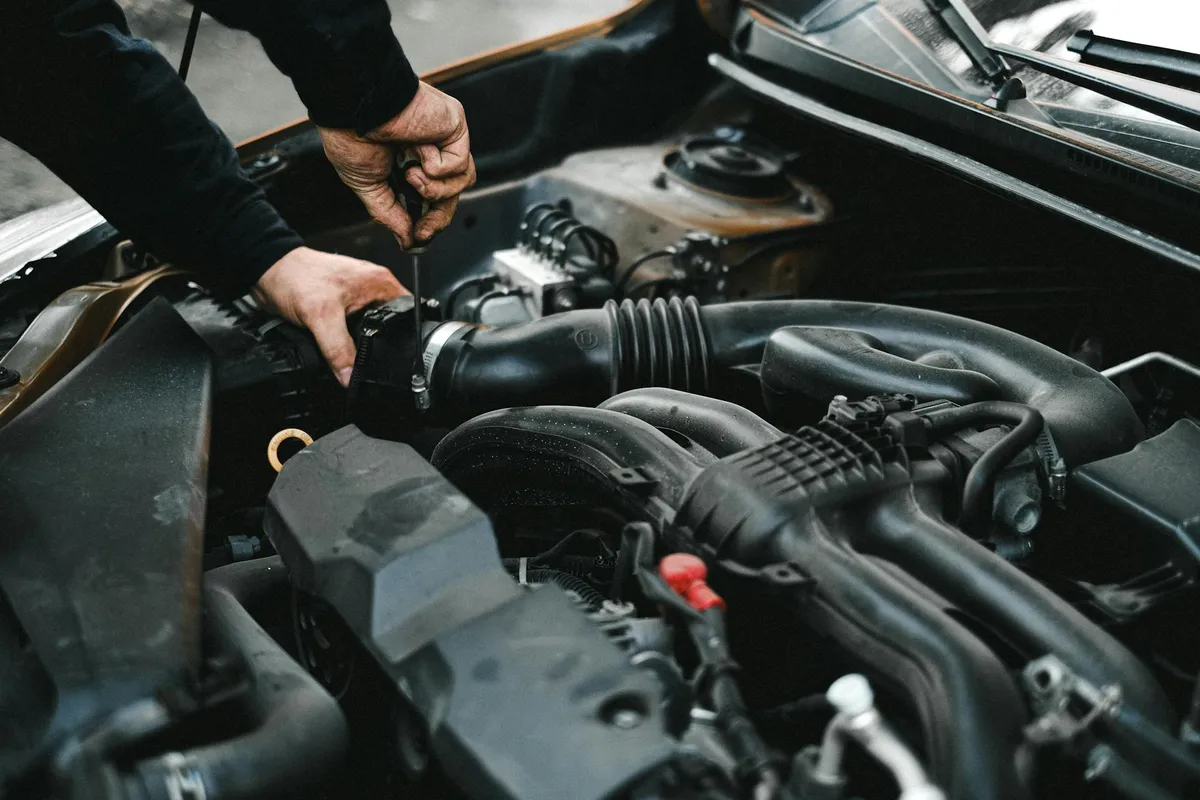
All used cars have problems. The question is which problems and what they cost to fix. Some are routine maintenance that costs a few hundred dollars; others are major repairs that cost several thousand and can exceed the vehicle's value. Here are 5 problems that fall into the expensive category, with what to look for, what causes them, and how to avoid buying a car that has them.
1. Transmission failure or major issues
Among the most-expensive single repairs in used cars. Replacement or rebuild typically costs $3,000-7,000+ depending on vehicle.
What causes it: wear on transmission components from miles and age. Lack of maintenance (transmission fluid changes are often skipped). Specific platform issues (some transmissions are known to be problematic). Heavy use beyond what the transmission was designed for.
What to look for:
- Harsh shifts (transmission jumping into gears rather than smoothly engaging)
- Hesitation during shifts (delays between gear changes)
- Slipping (engine RPM increases without acceleration)
- Strange noises (whining, clunking) during operation
- Transmission fluid that's dark brown or smells burnt
- Vehicles known to have transmission issues (Jeep Cherokee 9-speed, certain CVTs)
How to avoid: verify transmission service records. Test drive in conditions that stress the transmission (acceleration, climbing). Have the inspection specifically check transmission. Consider vehicle's transmission reputation.
2. Engine head gasket failure
The barrier between coolant passages and combustion chambers fails, causing coolant and oil to mix or coolant to enter combustion. Repair typically costs $1,500-3,500+.
What causes it: overheating events. Aging gasket material. Specific engine designs prone to issues (some Subaru 4-cylinder engines historically had this problem). Long-term wear.
What to look for:
- White smoke from exhaust (coolant burning)
- Sweet smell from exhaust
- Milky oil on dipstick (coolant in oil)
- Oil in coolant reservoir
- Loss of coolant without visible leak
- Overheating tendency
How to avoid: check fluid condition during inspection. Pressure-test cooling system if professional inspection is done. Avoid cars with documented overheating history. Be cautious of platforms with known head gasket issues.
3. Catalytic converter failure or theft
Catalytic converters fail mechanically with age and can also be stolen (high precious metal content). Replacement typically costs $1,000-3,000+ depending on vehicle.
What causes it: mechanical failure from age. Engine issues that damage the converter. Theft (cut from underneath the vehicle). Use of leaded fuel (rare but problematic).
What to look for:
- Check engine light related to catalyst efficiency
- Loud exhaust noise (suggests theft or major damage)
- Reduced engine performance
- Sulfur smell from exhaust
- Failed emissions test
How to avoid: verify catalytic converter present and functional during inspection. Pull diagnostic codes to check for catalyst-related issues. In high-theft areas, verify converter is original or properly replaced.
4. Air conditioning system failure
AC systems involve multiple components (compressor, condenser, evaporator, lines) that can fail individually or together. Repair costs vary widely from $500 for a recharge to $3,000+ for compressor replacement plus repair.
What causes it: wear on compressor over time. Refrigerant leaks at fittings or in components. Electrical issues with control systems. Damage from external impact.
What to look for:
- AC that doesn't blow cold air
- Unusual noises when AC engages
- AC that works intermittently
- Refrigerant leaks visible as oil staining around AC components
- Climate control buttons that don't respond
How to avoid: test AC thoroughly during inspection — should reach 35-45°F at vents within a few minutes of operation. Test in various conditions. Check for refrigerant leaks visually. Don't accept "it just needs a recharge" without verifying why it leaked in the first place.
5. Suspension components (struts, control arms, ball joints)
Suspension components wear with miles and age. Comprehensive suspension work can cost $1,500-3,000 depending on what needs replacement.
What causes it: normal wear over time and miles. Damage from rough roads or impact. Lack of maintenance. Specific component wear patterns (e.g., CV boots tearing exposes joints to damage).
What to look for:
- Clunking or knocking over bumps
- Vehicle bouncing more than normal after bumps
- Pulling to one side
- Uneven tire wear (suspension issues cause specific wear patterns)
- Visible damage or wear to suspension components during underbody inspection
- Steering looseness
How to avoid: test drive over varied road conditions. Underbody inspection of suspension components. Note any noises during driving. Check tire wear patterns for suspension issues.
The pattern across these problems
The expensive problems share characteristics:
- They develop over time and miles. Higher-mileage vehicles are more likely to have them.
- They're often invisible until significant. Early signs are subtle and easy to miss.
- They're hidden during short test drives. Comprehensive testing is required to detect them.
- They're identified by professional inspection. Consumer inspection often misses them; mechanic inspection usually catches them.
- They affect resale value substantially. Buying a car with these problems means inheriting them.
How to factor these into purchase decisions
For each of the 5 problems above:
If the inspection identifies the problem before purchase: either negotiate the price down by the repair cost or walk away. Don't buy with the problem on the assumption it can be addressed cheaply later.
If the inspection doesn't identify the problem and it appears after purchase: document everything, contact the seller (especially if recently sold), evaluate repair vs. replacement. Some problems are worth fixing; some aren't worth the investment relative to vehicle value.
For high-risk vehicles (high mileage, age, known platform issues): budget for at least some of these problems even if not currently visible. They're likely to develop within ownership.
The cost-aware buyer's framework
For any used car purchase, the cost framework I now use:
- Purchase price + reasonable inspection finding adjustments
- Plus expected maintenance for first 12 months
- Plus reasonable reserve for unexpected repairs (typically 5-15% of purchase price)
This framework prevents the surprise that bad purchases create. The total cost of ownership over the first year often exceeds the purchase price by a meaningful amount; planning for it produces better decisions than ignoring it.
The inspection ROI
Pre-purchase inspection ($100-200) catches problems that would cost $500-5,000+ to fix. The ROI on inspection is among the highest available in used car buying.
The 5 problems above are exactly the kinds of issues a competent inspector identifies. Buying without inspection accepts the risk of all of them. Inspection significantly reduces the risk.
The takeaway
Some used car problems are minor; others are major. The 5 above fall into the major category. Avoiding cars that have them — through inspection, awareness, and platform selection — is among the most-important parts of used car buying.
If you're buying a used car, internalize this list. The problems aren't obscure; they're common enough to plan around. The cost of avoiding them is much smaller than the cost of inheriting them.